When you hear about termites, you probably think of the costly damage they cause to houses. But did you know these pests can also affect your houseplants? While termites are often associated with outdoor infestations, they can find their way indoors, targeting both indoor plants and decorative wooden features.
Termite Damage to Indoor Plants and Decorative Features
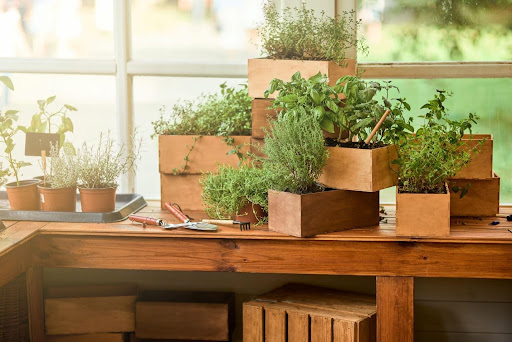
Termites are persistent pests that wreak havoc in unexpected ways. For homeowners, their presence indoors goes beyond wooden furniture or beams—they can also target your plants. Indoor plants become vulnerable, especially when housed in wooden containers. Termites feed on roots, stems, and even pot material, weakening the plant and leaving it wilted or stunted.
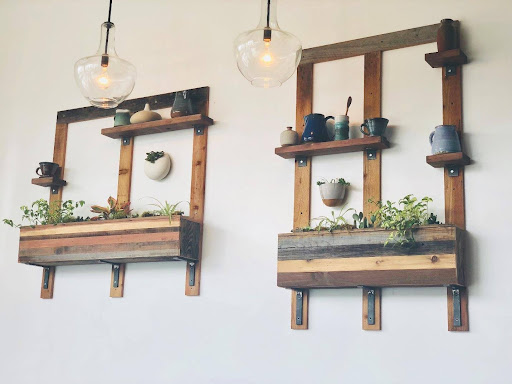
Decorative wooden features are equally at risk. Termites often attack trim, paneling, and other woodwork, leading to gradual deterioration. Over time, their activity compromises the structural integrity of these features, turning attractive accents into safety hazards.
Signs of Termite Damage in Indoor Plants
If your plants look unhealthy despite proper care, termites might be the hidden culprit. Signs include wilting, slowed growth, or roots and stems showing visible damage. Wooden containers may reveal small holes or tunnels, while tiny piles of dry sawdust around the base of plants can indicate active infestation.
Regular checks of pots, soil, and surrounding areas are essential. If you suspect termites, consulting with professionals can provide quick and effective solutions before the damage worsens.
The Impact of Termites on Decorative Features
Decorative wooden features in a home are the first places termites target. Their voracious appetites can result in structural damage and make these elements unsafe. Weaknesses in structural integrity can manifest as sagging or cracking sounds when gently pushed on.
Homeowners should inspect hidden areas where wood meets other materials since this is a common entry point for termites.
Early detection of termite damage prevents structural failure and can save homeowners time, money, and unnecessary stress. Recognizing the signs of termite activity in indoor plants and decorative features can help you maintain a healthy indoor environment.
The Importance of Professional Termite Control
When managing termite infestations, relying on DIY methods often leads to incomplete results. Professional help is necessary for lasting protection. Experts in termite control have the knowledge, tools, and treatments to eliminate infestations and keep them from returning.
For those in the area, look for termites control in Singapore to get guidance on prevention and management strategies. Professional services may include targeted baiting systems or specialized barriers that protect both your plants and your home’s decorative woodwork.
Maintaining a Termite-Free Home Environment
After dealing with termites, consistent maintenance is key. Routine inspections of indoor plants and wooden features, proper ventilation, and eliminating excess moisture reduce the likelihood of reinfestation. Non-toxic deterrents and natural treatments can also help keep indoor environments safe.
By staying vigilant, you’ll prevent extensive damage, protect your houseplants, and preserve your decorative features. Early detection paired with professional assistance ensures your home remains a secure, termite-free environment and your houseplants remain happy and healthy.
Julie Bawden-Davis is a best-selling garden author, blogger, YouTuber and Master Gardener dedicated to sharing indoor gardening expertise with aspiring gardeners. She has published several gardening books and more than 5,000 articles in major publications. A former garden columnist for the LA Times, San Francisco Chronicle and Parade.com, she is founder of HealthyHouseplants.com and its YouTube channel.
 Julie Bawden-DavisAugust 20, 2025