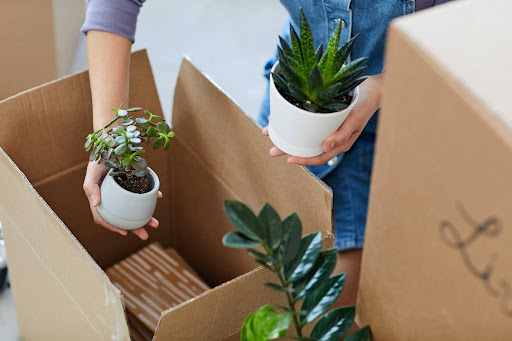
Moving into a new home is both an exciting and overwhelming journey. You’ve just said goodbye to one space that held countless memories, and now you’re preparing to create new ones. Among the many items that need care and attention during the moving process, houseplants often pose a unique challenge.
These living companions require special handling to thrive during and after the transition. Whether you’re carefully transporting them to your new space or considering leaving some behind for the next homeowners, planning ahead ensures your greenery remains healthy and vibrant.
This article will guide you through practical strategies for moving your houseplants successfully while keeping them safe, stress-free, and flourishing.
Deciding Whether to Take or Leave Houseplants Behind
When selling your old home, you may face the decision of whether to move all your plants or leave some behind. Many new homeowners appreciate being welcomed by healthy, well-kept houseplants. Leaving behind a few plants can serve as a warm gesture, helping buyers feel more at home right away.
If you’ve sold your property through companies such as Unload My Home, you might have benefited from a streamlined selling process that gave you the time and space to focus on details like this. Whether you choose to carry every houseplant with you or leave some behind, the decision can be guided by practicality, sentimentality, and the condition of your new space.
Preparing Your Plants Before the Move
The key to successfully relocating houseplants begins with preparation. A few weeks before the move, inspect your plants for pests, trim away any dead leaves, and refresh their soil if needed.
This minimizes the risk of transferring pests into your new space. For larger plants, consider pruning branches to make transport easier. It’s also wise to stop watering them a day or two before moving; damp soil can add unnecessary weight to pots and increase the risk of spills.
By starting the preparation early, you reduce plant stress and create a smoother moving experience.
Choosing the Right Containers for Transportation
Your plants’ current pots may not be the most suitable for moving day. Ceramic and clay pots, though attractive, can easily crack during transportation. Instead, repot plants into lightweight, unbreakable containers a few weeks before your move. This reduces the risk of damage and makes lifting much easier.
Line boxes with plastic bags to contain any soil spills, and use soft packing materials like newspaper or bubble wrap around the base for stability. For smaller plants, group them together in a sturdy box with ventilation holes. These precautions will help ensure your greenery arrives safely at its new destination.
Maintaining the Right Environment During Transit
Plants are highly sensitive to environmental changes, particularly temperature fluctuations and lack of light. If you’re moving during extreme weather, take extra precautions to shield them from cold drafts or direct heat.
Keep plants inside your vehicle rather than the moving truck, as trucks can become too hot or cold. Cover delicate leaves with breathable fabric to prevent sunburn or frostbite.
Remember, plants are living beings; treat them with the same care you would fragile items, and you’ll increase their chances of thriving post-move.
Reintroducing Plants Into Their New Environment
Once you’ve arrived at your new home, resist the urge to immediately place plants in permanent spots. Moving is stressful for them, and sudden environmental changes, different lighting, humidity, or temperature, can cause shock.
Instead, gradually reintroduce them to their new environment. Start by placing them in similar conditions to what they were accustomed to in your previous home. Over the course of a week or two, slowly adjust their placement to match your desired arrangement. This careful acclimatization helps your plants adapt and flourish without unnecessary stress.
Enhancing Your New Space With Greenery
Houseplants do more than just survive a move; they can completely transform your new living space. From purifying the air to adding vibrant pops of color, plants bring life to any room.
Take the opportunity to reassess your plant placement with the new home’s layout in mind. Large statement plants, like fiddle leaf figs or monstera, can serve as natural focal points in living areas, while smaller varieties like succulents or herbs can brighten up kitchens and windowsills.
Reorganizing your greenery can be a fun way to settle into your home and make it truly feel like your own sanctuary.
Creating a Long-Term Care Routine After the Move
After settling in, establish a consistent plant care routine that suits your new environment. Factors like different levels of sunlight exposure, air circulation, and humidity will influence how often you water or fertilize your plants.
Use the move as an opportunity to reassess each plant’s individual needs. Investing in tools like moisture meters or full-spectrum grow lights can make maintenance easier and ensure your plants continue to thrive. The new home symbolizes a fresh start for your indoor garden. With proper care, your plants can grow alongside you in this next chapter of life.
Moving houseplants to a new home requires patience, preparation, and thoughtful decision-making. From prepping them weeks in advance to ensuring they adapt gradually to their new environment, each step contributes to their survival and growth.
Along the way, you may decide to take all your plants with you, or you might choose to leave some behind as a meaningful gift for the new owners, which simplifies the process and allows you to focus on the details that matter most. Either way, plants play a special role in turning a house into a home. With the right care and attention, they’ll continue to bring beauty, comfort, and vitality into your living space for years to come.
Julie Bawden-Davis is a best-selling garden author, blogger, YouTuber and Master Gardener dedicated to sharing indoor gardening expertise with aspiring gardeners. She has published several gardening books and more than 5,000 articles in major publications. A former garden columnist for the LA Times, San Francisco Chronicle and Parade.com, she is founder of HealthyHouseplants.com and its YouTube channel.
 Julie Bawden-DavisAugust 28, 2025