About Snowbush
Snowbush Introduction
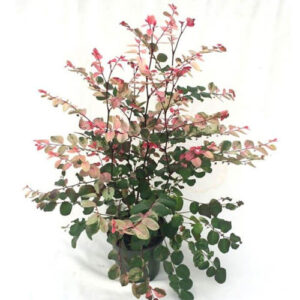
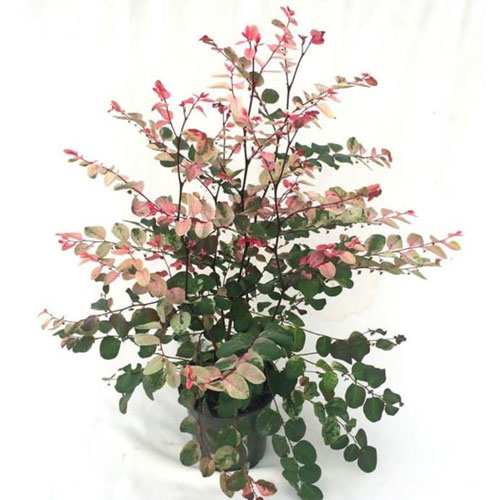
The Snowbush (Breynia disticha) is a striking evergreen shrub native to the Pacific Islands, including Vanuatu and New Caledonia. This ornamental plant has gained popularity worldwide for its distinctive variegated foliage that resembles snow-dusted leaves, hence its common name. The plant belongs to the Phyllanthaceae family and is characterized by its compact, rounded growth habit that typically reaches 4-6 feet in height and width when mature.
One of the most notable features of the Snowbush is its spectacular foliage display. The leaves are small, oval-shaped, and densely packed along the branches, creating a full, bushy appearance. The variegation pattern consists of green leaves heavily mottled and edged with creamy white or pale yellow markings, giving the entire plant a frosted or snow-covered appearance even in warm climates. This variegation is most pronounced in younger leaves and tends to be more vibrant when the plant receives adequate light.
The Snowbush is a relatively fast-growing shrub that adapts well to tropical and subtropical climates. It produces small, inconspicuous flowers that are typically greenish-white and appear in clusters along the branches. While the flowers are not particularly showy, they may be followed by small, colorful berries that can range from pink to red. The plant’s dense branching pattern and attractive foliage make it an excellent choice for hedging, foundation plantings, or as a specimen plant in landscape designs.
Snowbush Care & Growing Guide
Caring for a Snowbush requires attention to its tropical origins and specific environmental needs. This plant thrives in warm, humid conditions and prefers consistent care to maintain its vibrant variegated foliage. As a tropical shrub, it is best suited for USDA hardiness zones 9-11, though it can be grown as a houseplant or in containers in cooler climates where it can be brought indoors during winter months.
The key to successful Snowbush cultivation lies in providing the right balance of light, water, and humidity. The plant requires bright, indirect light to maintain its striking variegation, as insufficient light can cause the leaves to lose their distinctive white markings and revert to solid green. Watering should be consistent but not excessive, allowing the soil to dry slightly between waterings to prevent root rot while ensuring the plant doesn’t become stressed from drought.
Regular maintenance tasks include pruning to maintain shape and size, monitoring for common pests, and providing appropriate fertilization during the growing season. The Snowbush responds well to regular feeding with a balanced fertilizer, which helps promote healthy growth and vibrant foliage coloration. With proper care, this attractive shrub can provide year-round interest in the landscape or as an indoor specimen plant.
Soil
Snowbush thrives in well-draining, fertile soil with a slightly acidic to neutral pH range of 6.0-7.0. The ideal soil composition consists of a mixture of peat moss, perlite, and quality potting soil that provides both moisture retention and excellent drainage. The plant benefits from soil amendments such as compost or aged manure to improve organic matter content and nutrient availability. Good drainage is absolutely critical as waterlogged conditions can quickly lead to root rot and plant decline.
Poor drainage is one of the most common soil problems affecting Snowbush, leading to yellowing leaves, stunted growth, and eventual plant death. Soil compaction can restrict root growth and water penetration, while inappropriate pH levels can affect nutrient uptake. Salt build-up from over-fertilization or poor water quality can cause leaf burn and growth problems. Nutrient deficiencies, particularly nitrogen and iron, can result in pale foliage and reduced variegation. Root boundness in container plants can lead to stunted growth and increased water stress, requiring regular repotting to maintain plant health.
Fertilizer
Snowbush benefits from regular fertilization during the growing season (spring through early fall) with a balanced, diluted liquid fertilizer (10-10-10 or 20-20-20) applied every 2-4 weeks. Dilute fertilizer to half-strength to prevent burn and salt buildup. The plant has moderate nutrient requirements, with particular needs for nitrogen to maintain foliage health and phosphorus for root development.
Signs of over-fertilization include salt buildup on soil surface, burned leaf tips, excessive green growth with reduced variegation, and increased pest susceptibility. Under-fertilization symptoms include pale leaves, poor growth, reduced variegation intensity, and yellowing of older leaves. Organic alternatives include compost tea, fish emulsion, or worm casting tea applied monthly. The plant may experience iron deficiency in alkaline soils, requiring chelated iron supplements to maintain healthy green coloration in the variegated leaves.
Watering
Snowbush requires consistent moisture but must never sit in waterlogged soil. Water when the top inch of soil feels dry to the touch, typically every 2-3 days in warm weather and less frequently during cooler periods. The plant prefers soft water such as rainwater or distilled water, as it can be sensitive to chemicals and minerals found in tap water, which may cause leaf tip burn and poor growth.
Signs of underwatering include wilting, leaf drop, dry soil pulling away from container edges, and loss of variegation. Overwatering symptoms include yellowing leaves starting from the bottom, soft or mushy stems, fungal growth on soil surface, and a musty odor from the soil. During winter or cooler periods, reduce watering frequency as the plant’s growth slows. In active growing seasons, maintain consistent moisture while ensuring proper drainage to prevent root rot.
Snowbush Watering Calculator
🪴 Precision Watering Intelligence
Science-Based Hydration for Your Collection
Stop guessing. Most houseplant failures are caused by volumetric errors and improper moisture tension. Our deterministic calculator moves beyond "once-a-week" watering by analyzing the four critical pillars of root health:
- • Transpiration Coefficients: 120+ species mapped by metabolic rate.
- • Substrate Porosity: Adjusts for Standard vs. Cactus/Well-Draining mixes.
- • Geometric Volume (V = π r² h): Calculates exact cups based on pot surface area.
- • The Drainage Factor: Accounts for pot material (Terracotta) and the risk of a perched water table.
Personalized for this plant
Lighting
Snowbush requires bright, indirect light to maintain its distinctive variegated foliage. The ideal location provides 4-6 hours of filtered sunlight daily, such as under a tree canopy or near a bright window with sheer curtains. Direct afternoon sun can scorch the leaves, causing brown spots and fading of the white variegation, while too little light results in loss of variegation and leggy growth as the plant stretches toward available light sources.
Signs of insufficient light include solid green leaves with little to no white markings, elongated stems, sparse foliage, and overall weak growth. Excessive light exposure manifests as brown, crispy leaf edges, fading variegation, and stunted growth. To adjust lighting conditions, move outdoor plants to locations with filtered light or provide shade cloth during peak sun hours. Indoor plants can be placed near east or north-facing windows, or supplemented with grow lights positioned 12-18 inches above the plant for 12-14 hours daily.
Temperature
Snowbush prefers warm, stable temperatures between 65-80°F (18-27°C) year-round. The plant is cold-sensitive and will suffer damage if temperatures drop below 50°F (10°C). Ideal growing conditions include minimal temperature fluctuations, protection from cold drafts, and warm, humid conditions that mimic its native tropical environment.
The plant has poor tolerance to temperature extremes and should be protected from cold snaps, frost, and excessive heat above 90°F (32°C). Cold sensitivity manifests as leaf drop, blackened stems, and potential plant death if exposure is prolonged. To protect from cold, bring container plants indoors when temperatures are expected to drop, or provide frost protection for landscape plants using covers or temporary structures. During hot periods, provide additional shade and increase watering frequency to prevent heat stress.
Humidity
Snowbush thrives in high humidity levels of 60-80%, reflecting its tropical origins. In lower humidity environments, the plant may experience leaf browning, reduced variegation, and increased susceptibility to pests like spider mites. To increase humidity, use methods such as pebble trays filled with water placed beneath the plant, regular misting with soft water (avoiding the leaves during sunny periods), grouping with other plants to create a microclimate, or using a humidifier.
Symptoms of low humidity stress include brown, crispy leaf edges, reduced growth rate, and increased pest problems. High humidity combined with poor air circulation can lead to fungal issues and leaf spot diseases. For indoor plants, maintain humidity through pebble trays, which are highly effective for this species, or place a humidifier nearby. Outdoor plants benefit from mulching around the base to retain moisture and regular misting during dry periods.
Propagation
Snowbush can be propagated through stem cuttings, air layering, or division, with stem cuttings being the most common and successful method. The best time for propagation is during spring or early summer when the plant is actively growing. Here’s a detailed step-by-step guide for stem cutting propagation:
1. Select healthy, non-flowering stems that are 4-6 inches long with at least 3-4 leaf nodes.
2. Make clean cuts just below a leaf node using sterilized pruning shears.
3. Remove leaves from the bottom 2 inches of the cutting, leaving 2-3 pairs of leaves at the top.
4. Optional: Dip the cut end in rooting hormone to improve success rates.
5. Plant the cutting in a well-draining potting mix, burying 2 inches of the stem.
6. Water gently and place in bright, indirect light with high humidity.
7. Cover with a clear plastic bag or place in a propagation chamber to maintain humidity.
8. Keep soil consistently moist but not waterlogged.
9. Roots typically develop within 3-4 weeks, with new growth appearing after 6-8 weeks.
10. Once established, gradually acclimate to normal growing conditions.
Stem cuttings have a success rate of 70-80% when proper conditions are maintained. Air layering has a higher success rate but takes longer (8-12 weeks). Division is possible for mature, multi-stemmed plants and should be done during repotting.
Potting
Snowbush requires well-draining containers with multiple drainage holes to prevent waterlogging. Choose pots that are 1-2 inches larger in diameter than the current root ball, using terracotta or ceramic pots that provide stability and allow for air circulation to the roots. The ideal soil composition consists of a mixture of high-quality potting soil, peat moss, and perlite in a 2:1:1 ratio.
Repotting should be done every 2-3 years or when the plant becomes root-bound, typically in spring before the active growing season. Signs that indicate repotting is needed include roots growing through drainage holes, water running straight through the pot without absorption, stunted growth despite proper care, and soil that dries out very quickly after watering.
When repotting, gently remove the plant from its container and inspect the roots, pruning any black, mushy, or circling roots with clean shears. Place fresh soil in the bottom of the new pot, position the plant at the same depth as previously planted, and fill around the roots with fresh potting mix. Water thoroughly after repotting and place in bright, indirect light while the plant establishes in its new container.
Pruning
Pruning Requirements and Techniques
Snowbush benefits from regular pruning to maintain its shape, promote bushy growth, and remove dead or damaged material. The best time for major pruning is during late winter or early spring, just before the growing season begins. Light pruning and deadheading can be done throughout the growing season as needed.
Step-by-Step Pruning Guide
1. Preparation: Gather clean, sharp pruning shears, gloves, and disinfectant (rubbing alcohol or bleach solution).
2. Sterilization: Clean tools with disinfectant to prevent disease transmission.
3. Assessment: Examine the plant for dead, diseased, or damaged branches that need removal.
4. Deadwood Removal: Cut out all dead, diseased, or damaged wood first, cutting back to healthy tissue.
5. Shape Pruning: Remove up to one-third of the plant’s height, cutting just above outward-facing buds or branches.
6. Thinning: Remove crowded interior branches to improve air circulation and light penetration.
7. Pinching: Pinch growing tips regularly to encourage bushier growth and prevent legginess.
8. Clean-up: Remove all pruned material from around the plant to prevent pest and disease issues.
9. Aftercare: Water thoroughly and apply a balanced fertilizer to support new growth.
10. Monitoring: Watch for new growth and continue light pruning as needed throughout the season.
Special Considerations
Avoid pruning during extreme weather conditions or when the plant is stressed. Always wear gloves as the sap may cause skin irritation in sensitive individuals.
Blooming
Snowbush typically blooms sporadically throughout the warm months, from late spring through early fall in tropical and subtropical climates. The flowering is not seasonal but rather occurs continuously under optimal conditions of warm temperatures (75-85°F), high humidity, and bright indirect light. The small, inconspicuous greenish-white flowers appear in clusters along the branches and are followed by small berries. While the flowers are not the plant’s main attraction, they contribute to its overall appeal and may attract small pollinators.
Pests and Diseases
Pests:
*Spider Mites:* Common in low humidity conditions
Symptoms: Fine webbing on leaves, stippled or yellowing foliage, leaf drop
Treatment: Increase humidity, spray with insecticidal soap or neem oil, rinse leaves regularly
*Scale Insects:* Small, hard bumps on stems and leaves
Symptoms: Yellowing leaves, sticky honeydew, stunted growth
Treatment: Remove manually with rubbing alcohol, apply systemic insecticide, improve air circulation
*Mealybugs:* White, cotton-like insects in leaf joints
Symptoms: Yellowing leaves, stunted growth, sticky honeydew
Treatment: Dab with rubbing alcohol, spray with insecticidal soap, isolate infected plants
Diseases:
*Root Rot:* Caused by overwatering and poor drainage
Symptoms: Yellowing leaves, mushy stems, foul soil odor, plant collapse
Treatment: Improve drainage, reduce watering, repot in fresh soil, apply fungicide
*Leaf Spot:* Fungal infection in high humidity with poor air circulation
Symptoms: Brown or black spots on leaves, leaf yellowing and drop
Treatment: Remove affected leaves, improve air circulation, apply copper-based fungicide, avoid overhead watering
*Powdery Mildew:* White, powdery coating on leaves
Symptoms: White patches on foliage, stunted growth, leaf distortion
Treatment: Increase air circulation, apply fungicidal spray, reduce humidity around foliage
Special Features
The Snowbush is prized for its exceptional variegated foliage that provides year-round visual interest in the landscape. Its most distinctive feature is the striking white and green leaf pattern that resembles snow-covered foliage, making it an excellent accent plant for tropical and subtropical gardens. The plant’s compact, rounded growth habit and dense branching structure make it ideal for hedging, foundation plantings, or as a specimen plant. Additionally, the small berries that follow the inconspicuous flowers add seasonal color interest, typically appearing in shades of pink to red and providing food for small birds and wildlife.
Plant Benefits
While Snowbush is primarily grown as an ornamental plant, some traditional uses have been documented in its native Pacific Islands. The leaves have been used in folk medicine for treating minor skin irritations and as a poultice for small wounds, though scientific evidence for these uses is limited. The plant contains various compounds including saponins and tannins, but it should not be used medicinally without proper guidance as it can be toxic if ingested. Its primary benefit remains its ornamental value and contribution to landscape aesthetics rather than herbal or pharmaceutical applications.
Additional Information
Snowbush is considered an excellent choice for xerophytic landscaping in appropriate climates due to its moderate water requirements once established. The plant can be trained as a small tree through selective pruning, removing lower branches to create a single trunk. In cooler climates, it makes an attractive houseplant but may lose some variegation indoors. The plant is also useful for erosion control on slopes due to its extensive root system and dense growth habit.
Life Cycle
Snowbush follows a typical evergreen shrub life cycle, beginning as a small cutting or seedling that develops into a mature shrub over 2-3 years. The plant experiences continuous growth in tropical climates with no distinct dormant period, though growth may slow during cooler months. Young plants focus energy on establishing root systems and developing their characteristic branching structure, while mature plants produce flowers and berries throughout the growing season. With proper care, Snowbush can live for many decades, requiring periodic rejuvenation pruning to maintain vigor and appearance. The plant reaches maturity at 3-4 years, at which point it will have developed its full size and distinctive growth habit.
Are Snowbush Poisonous, Toxic
Snowbush contains compounds that can be mildly toxic to cats, dogs, and children if ingested. The berries and leaves contain saponins and other potentially harmful substances. Symptoms of toxicity may include gastrointestinal upset, nausea, vomiting, diarrhea, and skin irritation upon contact with the sap. While toxicity is generally mild to moderate, ingestion of large quantities could cause more severe symptoms. First aid measures include rinsing the mouth with water, providing small amounts of water to drink, and seeking immediate veterinary or medical attention. Preventive measures include placing the plant out of reach of pets and children, wearing gloves when handling, and educating family members about the potential risks.
Frequently Asked Questions
How often should I water my Snowbush plant?
Water your Snowbush when the top inch of soil feels dry, typically every 2-3 days in warm weather. The plant requires consistent moisture but should never sit in waterlogged soil. Reduce watering frequency during cooler periods when growth slows.
Why is my Snowbush losing its white variegation?
Loss of white variegation in Snowbush is usually caused by insufficient light. The plant needs bright, indirect light to maintain its distinctive white and green leaf pattern. Move the plant to a brighter location with 4-6 hours of filtered sunlight daily.
Is Snowbush toxic to pets and children?
Yes, Snowbush is mildly toxic to cats, dogs, and children if ingested. The berries and leaves contain compounds that can cause gastrointestinal upset, nausea, and vomiting. Keep the plant out of reach of pets and children.
What temperature range does Snowbush prefer?
Snowbush thrives in temperatures between 65-80°F (18-27°C). The plant is cold-sensitive and will suffer damage if temperatures drop below 50°F (10°C). Protect from frost and bring container plants indoors in cold climates.
How do I propagate Snowbush?
Snowbush is best propagated through stem cuttings taken in spring or early summer. Cut 4-6 inch healthy stems, remove lower leaves, and plant in well-draining potting mix. Keep in bright, indirect light with high humidity until roots develop in 3-4 weeks.
What type of soil does Snowbush need?
Snowbush requires well-draining, fertile soil with a slightly acidic to neutral pH of 6.0-7.0. Use a mixture of quality potting soil, peat moss, and perlite. Good drainage is critical to prevent root rot.
How big does Snowbush get?
Snowbush typically grows 4-6 feet in both height and width when mature. It has a compact, rounded growth habit and can be maintained at a smaller size through regular pruning.
When should I repot my Snowbush?
Repot Snowbush every 2-3 years or when it becomes root-bound. Signs include roots growing through drainage holes, water running straight through the pot, and stunted growth. Best time is spring before the growing season.
What are common pests that affect Snowbush?
Common pests include spider mites, scale insects, and mealybugs. Spider mites cause fine webbing and stippled leaves, while scale and mealybugs cause yellowing and sticky honeydew. Treat with insecticidal soap, neem oil, or rubbing alcohol.
Does Snowbush need high humidity?
Yes, Snowbush prefers high humidity levels of 60-80%. In low humidity, leaves may brown at edges and variegation may fade. Increase humidity using pebble trays, grouping plants together, misting, or using a humidifier.
Can I grow Snowbush in my indoor space
Difficulty: Intermediate
Size: Medium
Light: Medium
Water: Medium
Flowering: Yes
Pet Safe: No
Air Purifier: Low
Breynia disticha botanical details
Common Name: Snowbush
Other Common Names: Sweet Pea Bush, Calico Plant, Hawaiian Snow Bush, Foliage Flower
Botanical Name: Breynia disticha
Native Area: Pacific Islands, including Vanuatu and New Caledonia
Family Name: Phyllanthaceae
Plant Type: Evergreen shrub
Genus: Breynia
Kingdom: Plantae
Photo Gallery
- Perky Plant fertilizer: https://amzn.to/3RdLA00
- Seaweed extract: https://amzn.to/3z2CsFh
- Rooting hormone: https://amzn.to/3bIXi0t
- Espoma fertilizer: https://amzn.to/3vPa9bs
- Worm compost: https://amzn.to/3HVL01u
- Full-spectrum Light Bulb-Large: https://amzn.to/3yR6VBu
- Full-spectrum Lighting: https://amzn.to/3qhhaiv
- Light meter: https://amzn.to/4dpmp3s
- Moisture meter: https://amzn.to/3TEUu5N
- Hygrometer: https://amzn.to/3Cf6h2F
- Pruning shears: https://amzn.to/3X6oOcg
- ProMix Potting Soil: https://amzn.to/3iVIrjE
- My Organic Green Gourmet Houseplant Fertilizer: Healthy Houseplants Store
- My Perfect Pumice: Healthy Houseplants Store
- My Healthy Houseplants Store: All Products
✅ “Bring Home This Beauty Today”
✅ “Get Your Own Snowbush Before It’s Gone”
✅ “Shop Trusted Sellers – Limited Availability”
✅ “Free Delivery”
As an Amazon Associate, I earn commission from qualifying purchases.
Plant Puns and Jokes
Why did the Snowbush never get invited to summer parties? Because it always brought the wrong kind of snow – the kind that doesn’t cool you down but still makes you want to shovel it into a prettier shape!


My Snowbush Plant Care Recommendations
Buy Snowbush Online