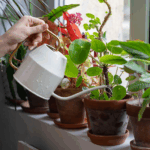
Indoor gardening brings joy and a sense of calm to many homes, but caring for a growing collection of houseplants can also be overwhelming. Some plants have unique needs, others need attention on specific schedules, and it can be a challenge to remember everything without a system to help.
That is where ArborPlus tree management software comes into the picture. Though originally designed for managing outdoor tree care, the principles behind this software offer valuable insights for houseplant lovers seeking a reliable way to track care routines, monitor growth, and stay organized.
Why Indoor Gardeners Need a System
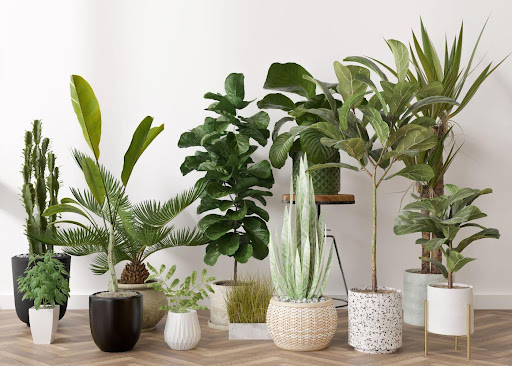
If you only have one or two easygoing plants, remembering when to water or fertilize may come naturally. But for many indoor gardeners, collections expand quickly. Fiddle leaf figs, rubber plants, palms, and large indoor trees have specific watering, pruning, and light needs. Without structure, it is easy to forget when a plant last received fertilizer, or which ones need pruning this month.
A digital management system lets you gather all the care details in one place. Rather than sticky notes or scattered reminders, you can log watering dates, upcoming tasks, and plant-specific observations. Over time, this becomes a personalized care archive you can reference anytime.
What Indoor Gardeners Can Track
A good care tracking tool helps you monitor several aspects of plant health in meaningful ways. For example:
First, watering schedules become clearer. Instead of guessing when to water next, you log when a plant was last watered and set reminders for the future. This is especially helpful for plants with very specific moisture needs.
Second, fertilizer and feeding reminders help you avoid underfeeding or overfeeding. Many indoor gardeners make the mistake of treating all plants the same, but regular notes help you tailor feeding to each plant’s needs.
Third, pruning and pest checks become routine. With a place to record dates and observations, you can spot trends over time like recurring pest issues or seasonal growth spurts and adjust care accordingly.
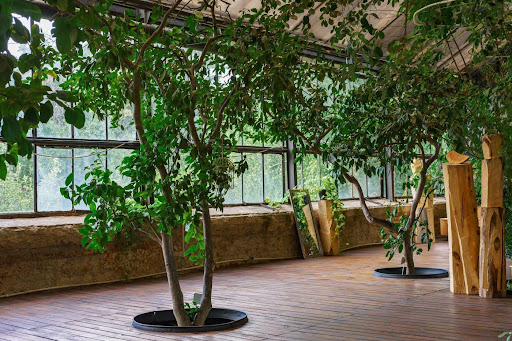
Finally, if you have large or slow-growing indoor trees, tracking structural changes becomes easier. You can notice new branches, changes in leaf condition, or reactions to environmental shifts like light and humidity.
All of this adds up to a system that feels supportive instead of overwhelming.
The Value of Consistency
Plants thrive on consistency. Many houseplants can survive for a while with sporadic watering, but they flourish when you learn their rhythm. Similarly, larger indoor trees respond well to timely, appropriate care routines tailored to their size and species.
Tracking tools encourage consistency because they make routines visible. When you can see care timelines and next steps, it becomes easier to follow through. Many gardeners find that this visibility improves outcomes dramatically over time, especially with more demanding plants.
For example, a large indoor tree with high humidity needs may wilt slowly if its environment is off. Logging changes in humidity and observing plant responses lets you learn what helps and what doesn’t. Over time, patterns emerge that guide future care.
Adapting Outdoor Tree Care Tools for Indoor Use
Software like ArborPlus began as a way for tree care professionals to manage complex schedules, inspections, and health tracking across many trees and locations. It provides a structured platform to capture nuances like pruning history, pest treatments, and environmental notes that can be just as useful for houseplant collections.
Indoor garden lovers can borrow this approach. A digital tool does not have to be complex to be helpful. What matters most is that it allows you to record care events, see what’s due soon, and notice patterns you might otherwise miss. This kind of organized approach turns plant care from guesswork into a thoughtful practice.
Over time, knowing exactly when a plant was fed, watered, or last inspected gives you confidence in your care decisions.
Creating Routines That Fit Your Space
Every home environment is different. Some rooms are bright and dry, while others are cool and shaded. A plant care system should help you match routines to your unique conditions. For instance, plants near a sunny window may need more frequent watering than those in low light. If you track light exposure along with other details, you begin to understand how location affects health.
Similarly, a humidifier placed near ferns may improve their condition, but the same level of humidity may be too much for other species. Recording these nuances lets you tailor your care in ways that feel personal to your space.
Over time, you build a useful reference guide for how your home environment and your plants interact.
A Tool for All Levels of Plant Lovers
Not every gardener needs a professional system. However, many find value in having a central place to collect thoughts, reminders, and observations. Beginners can avoid common pitfalls by learning from past records. Intermediate gardeners deepen their understanding by seeing how plants respond over weeks and months. Even advanced collectors benefit from keeping care histories, especially when managing rare or sensitive species.
Digital care tools serve as an extension of your plant knowledge, capturing details that are easy to overlook when your focus stays on daily routines.
Start Small and Grow With It
You do not have to track everything all at once to gain value. Begin with your most cherished plants or those with specific needs. Log a few key care events, like watering and feeding. Over time, add notes on pruning, pests, light changes, and more.
As your indoor garden grows, this organized approach makes it easier to manage a variety of plants without feeling overwhelmed. Each entry builds a picture of how your plants behave and what they need to thrive.
This slow, thoughtful approach reflects the very nature of gardening. It is about observing, learning, and adapting.
Bringing It All Together for Healthier Houseplants
Indoor gardening rewards patience, observation, and consistency. By bringing a little organization into your routine, you support your plants in meaningful ways. Digital tracking tools based on solid tree care principles offer structure that helps even large indoor trees or complex collections flourish.
Whether you have a handful of favorites or an expansive indoor forest, using a system to log care, plan tasks, and observe trends gives you confidence. Your plants benefit from attentiveness, and you gain peace of mind knowing their needs are accounted for.
Julie Bawden-Davis is a best-selling garden author, blogger, YouTuber and Master Gardener dedicated to sharing indoor gardening expertise with aspiring gardeners. She has published several gardening books and more than 5,000 articles in major publications. A former garden columnist for the LA Times, San Francisco Chronicle and Parade.com, she is founder of HealthyHouseplants.com and its YouTube channel.
 Julie Bawden-DavisDecember 20, 2025