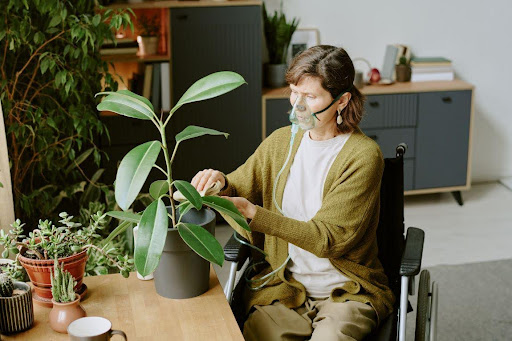
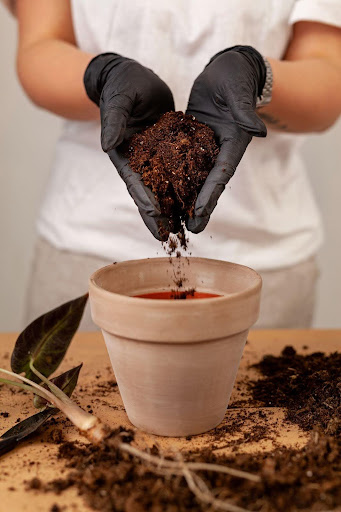
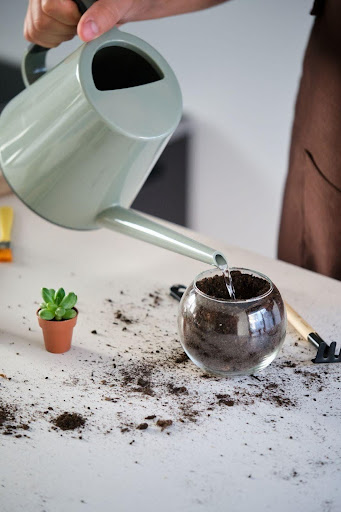
There is a unique kind of peace found in tending to an indoor jungle. The ritual of watering, the satisfaction of a new leaf unfurling, and the grounding feeling of getting your hands in the soil are unmatched. We fill our homes with Snake Plants and Peace Lilies because we know they purify the air, stripping out toxins like formaldehyde and benzene. It is the ultimate irony, then, when the very act of caring for these air purifiers leaves us gasping for breath, sneezing uncontrollably, or rubbing itchy red eyes.
For the sensitive gardener, “repotting day” is often a double-edged sword. You love your plants, but you dread the aftermath. The culprit is rarely the plant itself but rather the microscopic ecosystem that lives within the pot. If you have ever opened a bag of fresh potting mix and been hit with a cloud of dust or disturbed the top layer of damp soil only to trigger an asthma flare-up, you are not alone.
The truth is that indoor gardening exposes us to a concentrated mix of bio aerosols, including mold spores, perlite dust, and organic fertilizers. For those with respiratory sensitivities, a simple bandana or a cheap hardware store dust mask offers a false sense of security.
To truly enjoy your hobby without the “gardener’s cough,” you need professional grade respiratory protection. In this guide, we explore why your indoor garden might be triggering you and rank the top 5 filter masks that allow you to breathe as cleanly as your plants do.
Top 5 Masks for the “Sensitive Gardener”
We have tested the leading respiratory protection options on the market, evaluating them based on comfort, breathability during physical work, and their ability to filter out the specific contaminants found in a potting shed.
If you treat gardening as a form of self-care, you need gear that matches that intention. The French brand R-PUR has created what is arguably the most advanced consumer mask on the market. While it was originally engineered for urban athletes fighting smog, its features make it uniquely perfect for the indoor gardener.
The “Soft-Fit” Seal: This is the game changer. The interior of the mask is lined with a thermal memory foam that reacts to your body heat. Within minutes, it molds perfectly to the contours of your face. This means that when you look down at your plants, the mask stays sealed. No mold spores can sneak in around your nose bridge.
Nanofiltration: Standard N95 masks stop particles at 0.3 microns. R-PUR filters down to nanoparticles (0.05 microns). This captures virtually every mold spore, pollen grain, and speck of perlite dust you could possibly encounter.
Breathability: Gardening is physical work. Hauling bags of soil and wrestling with root bound pots generates heat. R-PUR uses an advanced valve system that extracts hot air and moisture instantly. You can wear it for an hour-long repotting session without your face feeling like a swamp. It turns a chore that used to make you sick into a safe, comfortable experience.
2. Respro (The Heavy Duty Choice)
Respro is a familiar name in the cycling world, but many gardeners swear by their “Allergy” specific model. These masks are typically made from neoprene or a lightweight mesh.
Pros: They are incredibly durable. You could get mud on this mask, wipe it off, and it would look brand new. The valves are large, allowing for decent airflow.
Cons: The “industrial” look is a bit aggressive. If you are gardening to relax, strapping a heavy neoprene mask to your face can feel a bit intense. The neoprene models can also get quite warm indoors, which might be uncomfortable if you are working in a small, humid greenhouse or grow tent.
3. Cambridge Mask Co (The Military Grade)
Founded by a traveler who wanted better protection from global pollution, Cambridge Mask Co uses carbon filtration technology developed by the UK Ministry of Defence.
Pros: The filtration is excellent. The carbon layer is particularly good at neutralizing odors, which is a nice bonus if you are working with smelly organic fertilizers like fish emulsion. It effectively blocks viruses and bacteria as well.
Cons: The fit relies on adjustable ear loops and a chin strap. While decent, it lacks the memory foam seal of the R-PUR. If you have a high nose bridge, you may find it difficult to get a 100 percent seal, leading to foggy glasses if you wear specs while you work.
4. Vogmask (The Casual Option)
Vogmask was one of the first brands to make filtration masks look friendly. They come in soft microfiber fabrics with colorful patterns.
Pros: They are very easy to put on and take off. For a quick task, like mixing a small batch of soil, they are convenient. They look less like “safety gear” and more like an accessory.
Cons: The entire mask is the filter. Once it is clogged with dust, you have to throw the whole thing away (or replace it entirely). They also rely on simple ear loops, which don’t provide the tension needed for a “zero leak” seal during active movement.
5. Totobobo (The Customizable Fit)
Totobobo offers a unique approach. It is a transparent, plastic like mask that you can cut with scissors to fit the exact shape of your face.
Pros: It is extremely lightweight (only 20 grams/less than an ounce). The transparent material is less claustrophobic for some users. The seal can be very good if you cut it correctly.
Cons: Because the body is plastic, it does not breathe at all. Condensation builds up inside very quickly. After 20 minutes of mixing soil, you might find water pooling in the chin cup, which is not the most pleasant experience.
Best Practices for a Sneeze-Free Repotting Session
Even with the best mask, you should adjust your habits to minimize exposure.
Wet Your Mix First
Dust is the enemy. Before you dump a bag of potting soil into your bin, open the top slightly and pour in a little water. Squeeze the bag to distribute the moisture. This weighs down the dust particles and mold spores, preventing them from becoming airborne when you pour.
Use a Potting Mat
Instead of repotting on your kitchen counter where food is prepared, use a dedicated potting mat or a large plastic bin. This contains the mess and prevents allergens from settling on your surfaces. When you are done, wipe the mat down with a damp cloth rather than shaking it out, which just sends the dust back into the air.
Ventilate
If the weather permits, crack a window. If not, consider running a HEPA air purifier in the room while you work. This acts as a secondary layer of defense, catching any spores that escape your immediate work area before they can settle on your furniture.
Julie Bawden-Davis is a best-selling garden author, blogger, YouTuber and Master Gardener dedicated to sharing indoor gardening expertise with aspiring gardeners. She has published several gardening books and more than 5,000 articles in major publications. A former garden columnist for the LA Times, San Francisco Chronicle and Parade.com, she is founder of HealthyHouseplants.com and its YouTube channel.
 Julie Bawden-DavisDecember 31, 2025