Green space changes the way a room behaves. A few leaves near a window can soften harsh lines, slow the tempo of a day, and pull attention outward instead of inward.
Indoor gardens do more than add color. They echo the quiet signals people associate with time outside: filtered light, uneven shapes, steady growth, and small movements you only notice when you pause. When those elements settle into place, a home feels less sealed off and more connected to the natural world, even when the nearest trail is far away.
How Our Brains Read “Outdoors,” Even Indoors
The feeling of being outside has more to do with pattern recognition than with square footage. Our brains respond to visual cues learned over time. Soft edges suggest safety. Layered depth feels calming. Light that shifts throughout the day signals a healthy environment. Indoor gardens tap into those cues more effectively than most design choices.
Plants add complexity without clutter. Leaves overlap, stems lean, and nothing lines up perfectly. That lack of symmetry matters. Natural environments rarely follow straight lines, and when an indoor space reflects that same looseness, it becomes easier to relax. Daylight filtering through foliage strengthens the effect, creating the same dappled quality you get beneath trees.
Time plays a role, too. Outdoor spaces change slowly but constantly, and indoor plants mirror that pace. New growth, a leaf angling toward the window, the occasional drop to the floor. Those small shifts add motion without noise. A room starts to feel active in a quiet way, grounded in natural rhythm rather than frozen in place when you make a point of recreating an outdoor atmosphere at home.
Spaces Designed Around Nature Feel Different
Indoor gardens thrive when the space itself supports them. Light helps, but materials and layout matter just as much. Rooms that feel breathable, warm, and grounded tend to invite plant life rather than fight it.
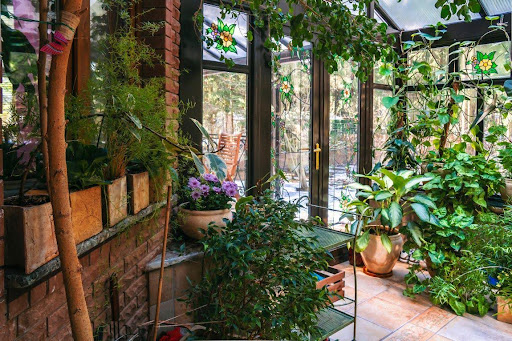
Natural surfaces set the tone. Wood grain, clay, stone, and matte finishes give greenery somewhere to belong. These textures also affect how people feel. There is a reason plant lovers gravitate toward spaces with timber ceilings, generous windows, and a calm, settled atmosphere. The room feels lived in rather than styled.
Cabin interiors show this clearly because they are built around nature instead of adding it later. In spaces like those from Lancaster Log Cabins, daylight and texture do most of the work. Wood catches light softly. The environment feels grounded before a single plant is introduced. That idea carries straight into indoor gardening. When the space supports the plants, they stop feeling like accessories and start feeling structural.
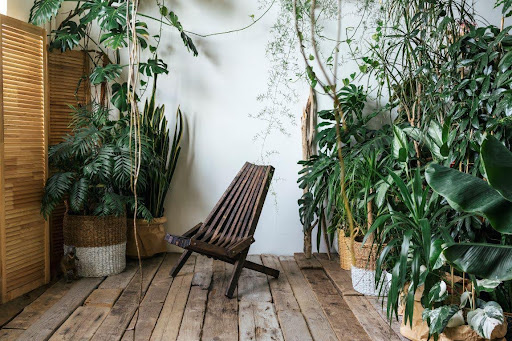
At home, this means letting light lead the layout instead of filling empty corners. Pair broad leaves with raw wood, linen, terracotta, or rough ceramic. Give plants a place to gather along natural edges like windowsills, benches, or low shelves. When the room and the plants agree with each other, the whole space relaxes.
Build a Microclimate That Feels Like Fresh Air
The outdoors has an atmosphere. Indoors can too, if you stop treating plants as isolated objects and start thinking in terms of shared conditions.
Most homes run drier than people realize. Heating strips moisture from the air, air conditioning keeps things comfortable but dry, and what feels pleasant to humans can stress tropical plants. The solution is not turning a room into a greenhouse. It is creating small pockets where conditions remain slightly more favorable.
Loose groupings help. A few plants sharing light hold humidity longer, especially when paired with wide planters or a shallow tray of water and pebbles. One larger plant with broad leaves can subtly raise moisture levels in the area. Containers matter as well. Terracotta dries faster and helps prevent soggy soil, while glazed ceramic holds moisture for plants that prefer consistency.
Air movement completes the picture. Stagnant rooms invite pests and dull growth. Gentle airflow keeps plants healthier and spaces feeling awake. An open window when the weather allows, a ceiling fan set low, or a small oscillating fan nearby can make a noticeable difference. Keeping light, watering, and air circulation steady gives plants the chance to settle in instead of constantly adjusting.
For those who enjoy specifics, a simple hygrometer can be surprisingly useful. It turns vague impressions into clear feedback and helps fine-tune placement and care without guesswork. The goal is not perfection. It is creating a corner of the home that feels like the air after rain.
Let Light Behave the Way It Does Outside
Outdoor light is never static. It shifts, softens, disappears behind clouds, then returns from a new angle. Indoor gardens feel more convincing when light behaves in a way that conveys the same sense of movement.
Windows are where the good light lives, but it helps to give plants a little breathing room. Right up against the glass, they’re stuck with the extremes: hotter sun, colder nights, and the occasional scorch. Pull them back a few inches and the light has room to fan out and bounce around the room, more like it does outside. If the sun gets sharp, a sheer curtain takes the edge off, turning that glare into soft, usable brightness.
Artificial light can support this rhythm rather than flatten it. Timed lamps that follow a natural day-and-night cycle feel more intuitive than all-day brightness. Warm-toned bulbs blend into living spaces while still supporting growth.
Seasonal shifts matter too. A bright summer corner may dim in winter. That is normal. Rotate plants. Swap positions. Let the garden respond to the year. When light changes and plants respond, the room starts to feel tied to something larger than itself.
Sound, Scent, and the Subtle Signals of the Outdoors
The outdoors doesn’t shout. You feel it in the way sound softens, in that clean, earthy hint after you water, and in how a room seems to relax when there’s something living in it. Indoor gardens capture that same mood when they shape the whole atmosphere, not just the view.
Plants change acoustics in small but meaningful ways. Leaves interrupt sharp echoes and soften hard surfaces, especially in rooms with minimal furniture. A few plants placed at different heights can make a space feel calmer simply by dulling that hollow, overly clean sound many interiors have.
Scent works the same way. Fresh soil, warm leaves, and living herbs release a subtle, natural smell that reads as outdoors without trying to. Research on biophilic environments suggests that these sensory cues support focus and reduce stress by engaging multiple senses, as reflected in findings summarized by the National Institutes of Health.
Restraint matters. Artificial fragrances overwhelm what plants already provide. Let the garden do the work. Open a window after the rain. Water early and let the room shift as the day warms. Choose planters that breathe, like clay, ceramic, or unfinished wood. When sound softens and the air carries a quiet sense of life, a room stops feeling closed off.
The Feeling Comes From Consistency, Not Perfection
Outdoor spaces feel restorative because they are steady. Light shows up. Air moves. Growth follows its own pace. Indoor gardens create the same ease when they are allowed to settle into a rhythm rather than being constantly corrected.
This shows up in small habits. Watering loosely rather than on a rigid schedule. Leaving soil visible instead of covering every surface. Letting a plant lean toward the window. These choices make a space feel natural rather than controlled.
Consistency matters more than variety. A few plants suited to the conditions of your home will always feel more convincing than a rotating collection that never quite settles. When basics stay steady, plants stop struggling and start contributing, filling the room with slow, almost unnoticeable change.
Over time, that stability becomes the point. The garden becomes something you live alongside rather than manage.
When an Indoor Garden Starts to Feel Like a Place
There is a moment when an indoor garden stops reading as a collection of pots and starts to feel like a destination. You sit nearby without thinking. The light feels right at a certain hour. The plants seem settled.
This occurs when a garden is defined by boundaries. Outdoors, spaces are shaped by edges like tree lines and shaded pockets. Indoors, those edges might be a window ledge, a bench, or the corner where afternoon light always lands. When plants gather along those limits, they create a sense of place rather than filling gaps.
Time does the rest. New leaves appear. Others fall. Growth marks the passing weeks. The garden becomes a quiet reference point in the room, a reminder that life continues at its own pace.
Carrying the Outdoors Into Everyday Life
An indoor garden does not replace time outside, but it changes how the indoors behave. It slows things down. It adds texture to ordinary hours. The room begins to respond to daylight and weather in subtle ways that linger even after you leave.
What makes the difference is attention, not fussiness. When plants are allowed to grow into a space instead of being arranged for effect, the room feels less controlled and more shared.
That’s where the outdoor feeling settles in. Not from copying nature, but from letting a bit of its pace and softness take root indoors. Over time, the boundary between inside and outside loosens, and the home starts to feel like part of the landscape rather than a break from it.
Julie Bawden-Davis is a best-selling garden author, blogger, YouTuber and Master Gardener dedicated to sharing indoor gardening expertise with aspiring gardeners. She has published several gardening books and more than 5,000 articles in major publications. A former garden columnist for the LA Times, San Francisco Chronicle and Parade.com, she is founder of HealthyHouseplants.com and its YouTube channel.
 Julie Bawden-DavisJanuary 9, 2026