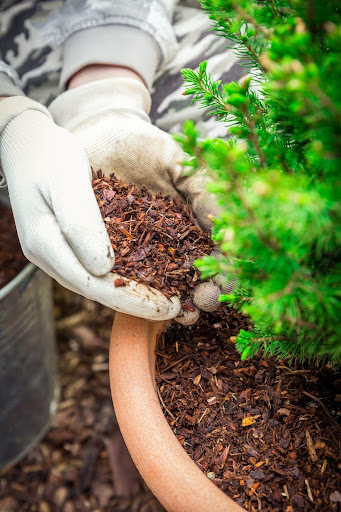
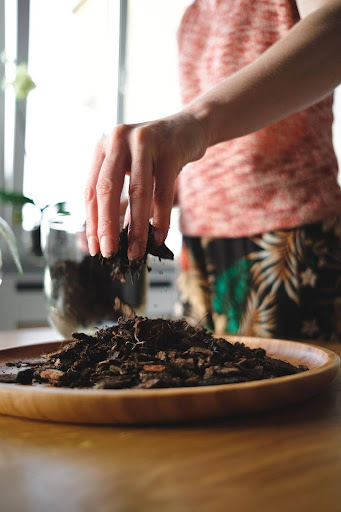
While I do encourage indoor gardeners to mulch their houseplants, it’s important to note that there’s a big difference between indoor and outdoor mulch. Your indoor plants will know the difference, and while outdoor mulch can be used in rare cases indoors, it’s not designed for small pots inside.
Why Outdoor Mulch Fails Indoors
Mulch is a useful barrier, but it can reduce oxygen supply for the roots in indoor pots. Indoor pots are closed systems; they’re smaller, more limited, and they have less airflow or natural balancers like worms or weather.
With limited space and no balancinag outside forces, outdoor mulch made from wood products can simply be too much for houseplants. It can restrict the exchange of gases between the soil and the environment, so roots often suffocate, even if everything else seems normal. This can happen even without overwatering, as it’s not the water, but the lack of air.
Outside mulch is excellent for its intended environment, in open outdoor soil systems with rain, airflow, and deep roots. In a space like that, mulch protects the soil, moderates moisture, and supports long-term soil health. It’s also purchased in large volumes, with suppliers like Zimmerman Mulch hauling tons of mulch to protect your backyard.
But inside, some heavier mulches can create an imbalance in your tiny ecosystem. If you have mulched your plants, keep an eye out for these problems. If the following problems do occur, remove the mulch or use less.
Fungal and Pest Growth
Mulch decays faster indoors, as there’s less sunlight and airflow to keep it stable, and it can also increase rot or fungal and fungus gnat infestations. Check for weird or sour smells or visible mold.
Stem and Crown Rot
Mulch typically doesn’t bother tree trunks outside, but it can encourage stem and crown rot in houseplants, due to the extra dampness it brings.
Masking Issues
Issues like mold growth, overly wet soil, salt buildup, or insect infestations are not always visible when you have mulch over them. You can be tricked by surface appearance and water based on what you see, not the actual soil moisture under the surface.
Can Outdoor Mulch Ever be Used Inside?
There are some scenarios where mulch can be helpful indoors. This includes using mulch on large indoor plants, including indoor trees. Such plants have large containers and a substantial amount of soil, which means the moisture level will be more stable and they have better oxygen buffering.
Mulch can also be helpful for large plants being overwintered indoors. The mulch will keep the soil surface from drying out, which is helpful, since you need to be careful not to overwater the plants during cold months indoors.
Whenever you use mulch on indoor plants, ensure that the containers have excellent drainage. And don’t let the mulch touch the base of the tree. Apply it 2 to 3 inches from the trunk of the plant. Also ensure the soil is already drying properly before you add mulch.
In these scenarios, mulch can reduce soil splash, slow soil-surface evaporation, and protect exposed surface roots. Mulch can also make the soil surface more attractive.
Avoid using outdoor mulch on succulents, cacti, orchids, hoyas, herbs, or most small- to medium-sized houseplants.
While mulch can be helpful for your indoor garden, it’s always best to use it sparingly and to monitor plants for any trouble. When in doubt about mulching, keep the soil bare, properly watered, and well-aerated.
Julie Bawden-Davis is a best-selling garden author, blogger, YouTuber and Master Gardener dedicated to sharing indoor gardening expertise with aspiring gardeners. She has published several gardening books and more than 5,000 articles in major publications. A former garden columnist for the LA Times, San Francisco Chronicle and Parade.com, she is founder of HealthyHouseplants.com and its YouTube channel.
 Julie Bawden-DavisFebruary 11, 2026