Keeping your living space tidy does more than impress guests. A tidy house makes daily life easier for you and your houseplants. You might notice your plants look dull when the rest of the house feels cluttered. When plants are free of dust, they receive steadier light and maintain cleaner leaves.
A neglected room, on the other hand, often traps particles that settle on leaves and soil. If you’ve ever wiped a leaf and been shocked by what comes off, you know what I’m talking about.
The Connection Between Hygiene and Plant Growth
Most people think of watering and sunlight as the only factors for happy foliar friends. But cleanliness plays a supporting role that’s easy to overlook. Clean leaves don’t just look prettier, they work better.
Dust and fine particles settle on leaves, and that can interfere with how efficiently a plant captures light and manages gas exchange through tiny openings called stomata. That means there is a direct link between the cleanliness of your carpets and the health of your ferns. Clean leaves support overall plant performance.
A messy room often hides grime that attracts unwanted tiny visitors like spider mites. Booking aprofessional deep cleaning for homes with indoor plants helps remove deep-seated particles that routine sweeping misses. Clean floors mean less debris kicking up into the air and landing on your plants and pots.
Understanding How Indoor Environments Impact Health
Our homes naturally collect particles from cooking, fabrics, outdoor air, and everyday activity. Plants act as natural sponges for these invisible particles that drift through rooms. When the indoor environment is dusty or stagnant, plants can struggle to maintain strong, steady growth.
Regular vacuuming, wiping surfaces, and keeping windowsills and plant stands from becoming “catch-all” zones lowers the background load of particles circulating in the air. That helps plants focus on growing instead of coping.
I also find that when the room is cleaner, I’m more consistent with care, because I can actually reach the plants without moving a pile of stuff first.
Boosting Results with Multiple Green Companions
One plant can brighten a space, but a group of plants can transform it. Mixing heights, leaf shapes, and textures makes a room feel alive, and it often bumps humidity in the immediate area, which many tropical plants appreciate. Research from studies at NASA has also shown that indoor plants clean the air. So, the more plants the better.
As your collection grows, keeping up with dusting and floor care matters even more. Soil spills, leaves drop, and dust can move from one plant area to another if shelves and floors aren’t maintained. (Leave a little breathing room between pots so air can circulate and foliage remains dry).
Creating A Sustainable Routine for Longevity
Consistency is the secret to a thriving indoor garden and a fresh living space. A few minutes of “plant-area reset” each week prevents the big cleanups that feel overwhelming later.
Tips for a better cleaning routine
Use microfiber cloth for delicate leaves instead of paper towels, which can scratch them.
Empty drainage trays in a timely manner so moisture doesn’t linger.
Rotate your pots a little bit every time you water to ensure they grow evenly toward light.
Check for hidden cobwebs behind larger ceramic containers (they love hiding there).
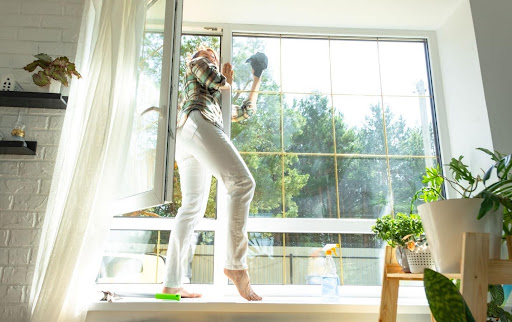
Keep windows clean so that plants receive optimum light.
Keep in mind that this is the kind of maintenance you barely notice, but your plants absolutely do. These small habits prevent the buildup of grime that eventually causes plant decay. It’s easier to maintain a clean home than to fix one that has been ignored for months.
A Home Your Plants (and You) Can Breathe In
A tidy home provides the perfect backdrop for enjoying your growing collection. Focus on the small details of cleanliness to see a big difference in your foliage.
When your house stays tidy, your plants have everything they need to reach their full potential. A cleaner, less cluttered space makes plant care easier, helps plants receive better light, and reduces the dust that settles on foliage over time.
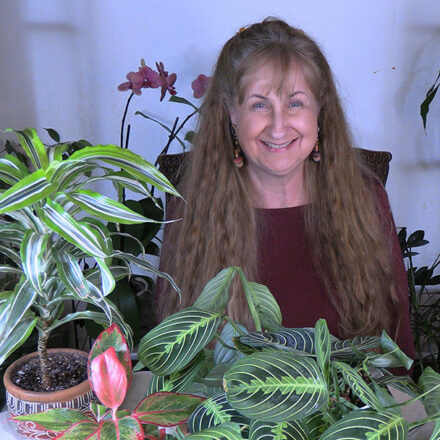
Julie Bawden-Davis is a best-selling garden author, blogger, YouTuber and Master Gardener dedicated to sharing indoor gardening expertise with aspiring gardeners. She has published several gardening books and more than 5,000 articles in major publications. A former garden columnist for the LA Times, San Francisco Chronicle and Parade.com, she is founder of HealthyHouseplants.com and its YouTube channel.
 Julie Bawden-DavisFebruary 19, 2026