It’s distressing when one of your indoor plants suddenly starts losing leaves. A plant that once looked full and beautiful can quickly begin to look sparse, and it’s natural to wonder what went wrong.
The good news is that leaf drop is often your plant’s way of communicating. In many cases, the issue can be identified and corrected once you understand the most common causes. Your houseplant may even be responding to more than one factor at the same time.
Here are the top reasons houseplants lose leaves, along with practical ways to diagnose and fix the problem.
Low Humidity Levels
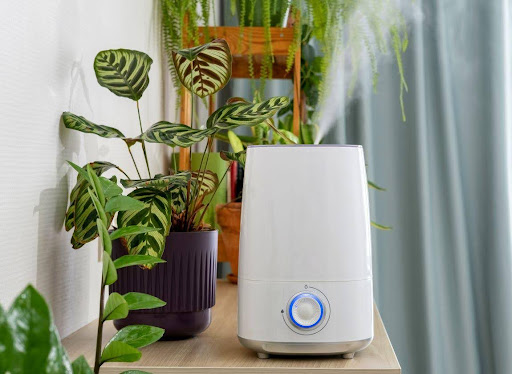
Many houseplants originate from jungle environments, where humidity levels are consistently high. Inside our homes, however, humidity often drops much lower, especially during certain seasons or in drier climates.
Low humidity can lead directly to leaf drop, because plants are trying to survive in an environment that doesn’t fully support them.
Most homes average between 40-60 percent humidity, while many tropical houseplants prefer 50 percent or higher. If your home stays around 45 percent or below, plants may begin to struggle. At 35 percent humidity, some plants will start dropping leaves in protest.
The best way to know what’s happening is to measure humidity with a hygrometer. These simple devices measure both relative humidity and temperature. For the most accurate reading, place the hygrometer in different areas where your plants grow.
Houseplants have breathing pores called stomata on their leaves. Through these stomata, they release water vapor into the air, which means plants actually help humidify one another. As I like to say, the more houseplants the better, because they “humify” each other.
Low Temperature
Temperature often goes hand-in-hand with humidity. Because many houseplants come from tropical regions, they don’t respond well to prolonged cool conditions.
Most houseplants grow best between 68-70° F. While many can tolerate around 65°F temporarily, extended exposure to temperatures in the low sixties or below can trigger leaf drop.
Since hygrometers also measure temperature, they’re a useful tool for monitoring both factors at once.
One effective solution during colder months is to warm the root zone with a seedling heat mat. These mats gently heat the soil, which helps keep roots active and reduces stress.
You can also move plants to warmer parts of your home, such as smaller enclosed rooms like bathrooms. Just avoid placing plants near heating vents, as forced air dries out the environment and can worsen humidity problems or cause them.
Improper Lighting
Lighting is essential for healthy growth. Plants use light to photosynthesize and produce energy. Without enough light, they simply cannot sustain all their leaves. They respond by shedding foliage.
Often, lower leaves or those shaded from the light source are the first to drop. If a plant sits beside a window, you may notice leaf loss on the side farthest from the light. Severe low-light conditions may leave only a few leaves clustered near the top.
Fortunately, this is one of the easier problems to fix:
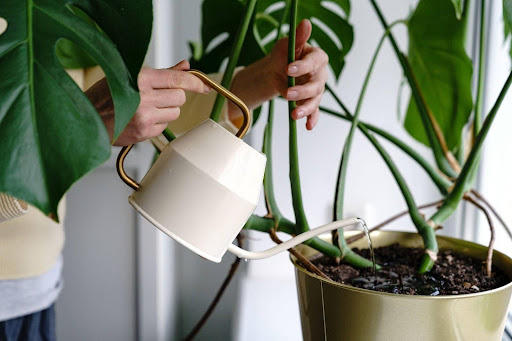
Both underwatering and overwatering commonly lead to leaf drop. When plants become too dry, leaves lose moisture and eventually fall.
On the opposite end, overwatering can cause fungal diseases such as root rot. When roots shut down, the plant essentially experiences drought, even though the soil is wet. This leads to yellowing and falling leaves.
A quick watering guideline for many houseplants:
Water when a moisture meter reads around 4 and approaching 3
Check that the top 1-2 inches of soil have dried
Notice when the pot feels lightweight
Always use warm water when watering houseplants. Cold water can shock roots and contribute to leaf loss.
Lack of Nutrients
Insufficient nutrition can eventually lead to leaf drop. Without enough macro- and micronutrients, a plant may shed leaves to conserve energy and direct nutrients to only a few remaining leaves.
Nitrogen deficiency is a particularly common cause of yellowing and leaf loss.
Use an organic fertilizer with an NPK ratio under 10-10-10. NPK refers to nitrogen, phosphorus, and potassium—the primary macronutrients plants need. You can also supplement with micronutrient sources such as worm compost or guano.
Pests
Mealybugs, scale insects, and spider mites are frequent culprits behind leaf drop. These pests feed on chlorophyll within leaves, causing yellowing and weakening until the leaves eventually fall.
One effective treatment approach is:
Spray plants with 91 percent isopropyl alcohol.
Allow the alcohol to kill or immobilize pests for about 20 to 30 minutes.
Rinse the plant with water.
Follow up with a neem oil treatment.
Neem oil helps eliminate remaining pests, prevents eggs from hatching, and disrupts the pest lifecycle. Repeat weekly for about a month until pests are gone, then treat monthly as prevention.
Shock
Plants often lose leaves after experiencing shock from moving, repotting, or physical disturbance.
To reduce shock when relocating plants:
Water thoroughly about 24 hours beforehand
Place the plant in conditions similar to its previous environment
To minimize repotting shock:
Hydrate plants well before repotting 24 hours before
Use a vitamin B solution such as Superthrive
Choose the correct pot size
Keep in mind that some leaf drop during acclimation is normal.
Mature Leaves
Not all leaf loss indicates a problem. As plants grow, older leaves naturally age and fall away to make room for new growth.
If only a few mature leaves are dropping occasionally, consider it a natural renewal process rather than a cause for concern.
Incorrect pH
One of the least recognized causes of leaf drop is improper soil pH. When soil becomes too acidic or too alkaline, plants cannot properly absorb nutrients, even if fertilizer is present. This imbalance can also interfere with water uptake.
If you’ve ruled out other causes, test your soil using a pH test kit. Kits that use a solution mixed with distilled water and soil often provide more reliable readings than meters.
If needed:
Add soil sulfur to lower pH (more acidic)
Add lime to raise pH (more alkaline)
Always compare the soil reading with the specific pH requirements of your plant.
Most Houseplants Can Recover
While some leaf loss is completely normal for houseplants, significant or sudden leaf drop usually means your plant is asking for attention. By observing humidity, temperature, light, watering, nutrition, pests, and soil conditions, you can usually pinpoint the cause and help your plant recover.
With a little detective work, and a few thoughtful adjustments, most houseplants bounce back beautifully.
Julie Bawden-Davis is a best-selling garden author, blogger, YouTuber and Master Gardener dedicated to sharing indoor gardening expertise with aspiring gardeners. She has published several gardening books and more than 5,000 articles in major publications. A former garden columnist for the LA Times, San Francisco Chronicle and Parade.com, she is founder of HealthyHouseplants.com and its YouTube channel.
 Julie Bawden-DavisFebruary 22, 2026