Indoor environments play a significant role in overall well-being, influencing everything from respiratory health to mental clarity and daily comfort. As people spend more time inside homes, offices, and shared spaces, attention has shifted toward how indoor conditions can be improved through thoughtful design and maintenance. A healthier indoor environment is no longer defined by aesthetics alone, but by how effectively it supports clean air, safety, and a balanced atmosphere.
Achieving this balance involves a combination of natural and technical solutions. Plants contribute to visual calm and air perception, ventilation systems regulate airflow, and safety infrastructure ensures that risks are minimized. When these elements work together, they create spaces that are not only comfortable but also supportive of long-term health and well-being.
The Role of Indoor Plants in Environmental Balance
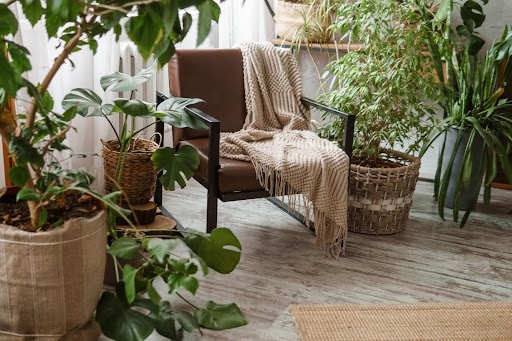
Indoor plants have become a popular feature in modern spaces, not only for their visual appeal but also for their perceived contribution to air quality and overall atmosphere. They introduce a natural element that can soften interiors, reduce stress, and create a more inviting environment. While their direct impact on air purification is often overstated, their psychological benefits are widely recognized.
Beyond aesthetics, plants can influence how people interact with their environment. Spaces that incorporate greenery tend to feel more relaxed and balanced, encouraging better focus and comfort. This makes them a valuable addition to homes and workplaces, particularly when combined with other elements that actively support air quality and safety.
Understanding Air Quality and Ventilation Systems
Air quality is one of the most critical factors in maintaining a healthy indoor environment. Poor ventilation can lead to the accumulation of pollutants, allergens, and excess humidity, all of which can negatively affect health and comfort. Proper airflow helps regulate temperature, remove contaminants, and maintain a stable indoor climate.
Modern ventilation systems are designed to improve air circulation while maintaining energy efficiency. Whether through natural airflow or mechanical systems, consistent ventilation ensures that indoor spaces remain fresh and breathable. When integrated effectively, these systems contribute significantly to both comfort and long-term health.
Why Safety Systems Are a Non-Negotiable Component
While plants and ventilation contribute to comfort and air quality, safety systems address risks that may not be immediately visible. Smoke alarms, electrical safeguards, and monitoring systems are essential for protecting occupants from potential hazards. These systems provide early warning and allow for timely responses in critical situations.
For homeowners and businesses, working withsmoke alarm replacement & installation Cairns becomes part of maintaining a comprehensive indoor safety strategy. Ensuring that these systems are properly installed and regularly maintained helps reduce risk and supports a safer living or working environment.
Combining Natural and Technical Solutions
Creating a healthier indoor environment is most effective when natural and technical solutions are used together. Plants enhance the visual and emotional quality of a space, while ventilation and safety systems address functional requirements that directly impact health and safety. This combination creates a more holistic approach to indoor living.
Balancing these elements requires thoughtful planning. Each component should complement the others, ensuring that improvements in one area do not compromise another. This integrated perspective allows individuals to create environments that are both comfortable and resilient.
Maintenance as a Key to Long-Term Performance
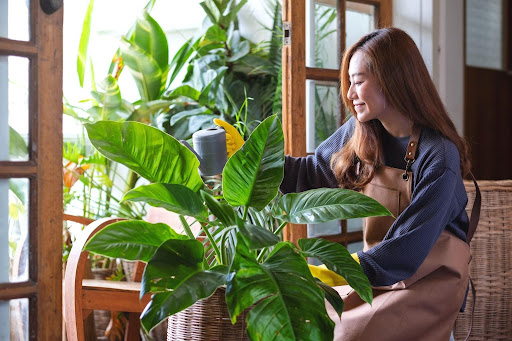
Even the most well-designed indoor environments require ongoing maintenance to remain effective. Plants need care, ventilation systems require regular servicing, and safety devices must be tested to ensure proper function. Neglecting maintenance can reduce the effectiveness of each component and increase the risk of issues over time.
Establishing a routine for inspection and upkeep helps maintain consistency. Regular checks ensure that systems continue to perform as intended, supporting both comfort and safety. This proactive approach reduces the likelihood of unexpected problems and extends the lifespan of key elements within the environment.
The Impact of Indoor Environments on Daily Life
The quality of an indoor environment influences daily experiences in subtle but meaningful ways. Clean air, balanced humidity, and a sense of safety contribute to better focus, improved sleep, and overall well-being. These factors often go unnoticed until they are disrupted, highlighting their importance in everyday life.
By prioritizing indoor environmental quality, individuals can create spaces that support both physical and mental health. This not only enhances comfort but also contributes to long-term wellness, reinforcing the value of thoughtful design and ongoing care.
Standards and Guidelines for Indoor Safety
Maintaining a healthy indoor environment also involves adhering to established safety standards and guidelines. Regulations surrounding air quality, electrical systems, and fire safety are designed to protect occupants and ensure consistent levels of protection across different settings.
Guidance fromSafe Work Australia highlights the importance of maintaining safe indoor conditions and ensuring that systems meet current safety requirements. Following these guidelines supports a more secure environment, helping individuals and businesses reduce risks while maintaining comfort and functionality.
Adapting Indoor Spaces to Changing Needs of Plants and People
Indoor environments are not static, and their requirements can change over time. Factors such as seasonal conditions, occupancy levels, and lifestyle changes can all influence how a space functions for the occupants and indoor plants. Adapting to these changes ensures that the environment continues to meet both comfort and safety needs of all occupants, including our green friends.
Julie Bawden-Davis is a best-selling garden author, blogger, YouTuber and Master Gardener dedicated to sharing indoor gardening expertise with aspiring gardeners. She has published several gardening books and more than 5,000 articles in major publications. A former garden columnist for the LA Times, San Francisco Chronicle and Parade.com, she is founder of HealthyHouseplants.com and its YouTube channel.
 Julie Bawden-DavisApril 24, 2026