A reader recently asked me whether tea leaves could be used on houseplants in the same way many gardeners use coffee grounds.
As someone who doesn’t drink coffee but does drink a lot of tea, I was curious about the answer myself. Whether you brew tea in bags or enjoy a pot of tea from your favorite teapot, it turns out those leftover tea leaves can be surprisingly beneficial for houseplants.
The short answer is yes. Used tea leaves can be a valuable addition to your indoor garden.
Why Tea Can Benefit Houseplants
Tea contains a variety of compounds that can contribute to soil health. Among them are amino acids, tannic acid, antioxidants, and micronutrients such as calcium, iron, magnesium, and zinc.
Tea also contains small amounts of nitrogen, phosphorus, and potassium. While it isn’t a substitute for a balanced fertilizer, it can provide supplemental nutrients that help support healthy plant growth.
One benefit I find particularly interesting is tea’s mild acidifying effect. Tea won’t dramatically change your soil’s pH, but it can gently increase acidity, which certain houseplants appreciate.
Plants that often enjoy slightly acidic conditions include:
Ferns
Crotons
Scheffleras
Begonias
Orchids
Spider plants
Rubber plants
African violets
Philodendrons
How to Use Tea Leaves on Houseplants
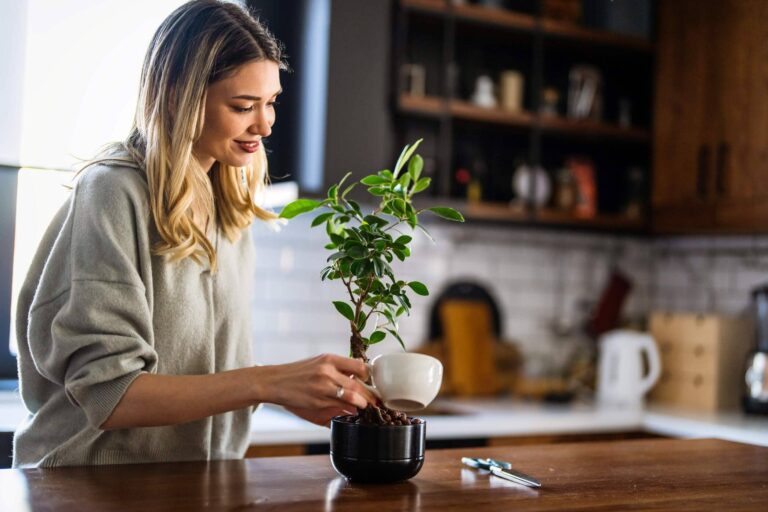
Using tea leaves is simple. After brewing tea, allow the tea bag to cool. Then open the bag and sprinkle the used tea leaves on top of the potting soil as a light mulch or top-dressing.
Each time you water, nutrients gradually move into the soil and become available to the roots.
You can also brew a cup or pot of tea, allow it to cool completely, and use it to water plants occasionally. As with any soil amendment, moderation is important. Start with small amounts and observe how your plants respond.
My Tea Leaf Experiment
I applied the contents of used tea bags to the soil surface of one of my crotons and then simply cared for the plant as usual. During the next two months, I didn’t apply any additional fertilizers or soil amendments.
The results surprised me. Over that period, the croton grew approximately six inches and produced healthy, glossy new foliage. By the end of the trial, the tea leaves had completely disappeared from the soil surface as they gradually broke down and released nutrients into the potting mix.
While this isn’t a scientific study, it was enough to convince me that tea leaves can be a worthwhile addition to a houseplant care routine.
A Sustainable Way to Recycle Tea Leaves
One of the things I like most about using tea leaves on houseplants is the sustainability factor. Instead of sending used tea bags to the trash, you can give them a second life by returning those organic materials to your plants. If you don’t compost, using tea leaves as a top-dressing is an easy way to recycle something you would otherwise throw away.
As with any gardening technique, every home environment and every plant is different. Some plants may respond more enthusiastically than others. The key is to experiment, observe, and let your plants tell you what they think.
For tea drinkers, those daily cups of tea may be providing benefits for more than just you. They may be helping your houseplants thrive as well.
Julie Bawden-Davis is a best-selling garden author, blogger, YouTuber and Master Gardener dedicated to sharing indoor gardening expertise with aspiring gardeners. She has published several gardening books and more than 5,000 articles in major publications. A former garden columnist for the LA Times, San Francisco Chronicle and Parade.com, she is founder of HealthyHouseplants.com and its YouTube channel.
 Julie Bawden-DavisMay 29, 2026