


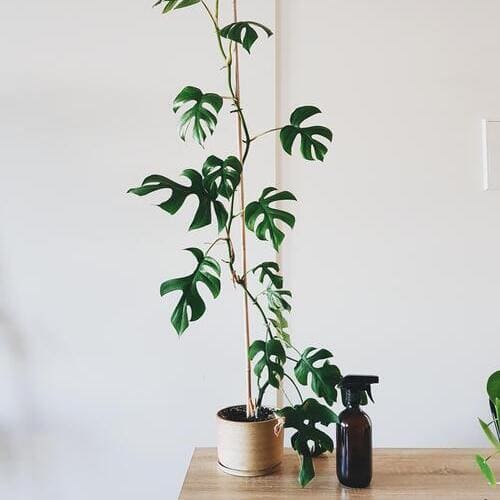
Rhaphidophora tetrasperma, commonly known as the Mini Monstera, is a tropical aroid belonging to the family Araceae. Despite its popular nickname, it is not a true Monstera at all but rather a member of the genus Rhaphidophora, which is native to the tropical regions of Southern Thailand and Malaysia. The plant was first described by the British botanist Joseph Dalton Hooker in 1893. Its deeply fenestrated leaves bear a striking resemblance to the much larger Monstera deliciosa, which has led to widespread confusion and the endearing common name Mini Monstera. Other misleading trade names include Philodendron Ginny and Philodendron Piccolo, though it is not a Philodendron either.
Rhaphidophora tetrasperma is a fast-growing, vining epiphyte that climbs trees in its native rainforest habitat using adventitious aerial roots. The leaves are relatively small compared to Monstera deliciosa, typically reaching 15 to 30 centimetres in length at maturity. Each leaf develops characteristic split lobes, or fenestrations, that extend from the leaf margin toward the midrib, giving the foliage an elegant, architectural quality. The fenestrations are thought to serve an ecological purpose in the wild, allowing wind to pass through the leaves without tearing them and permitting dappled light to reach lower foliage. The stems are slender and green, producing prominent nodes from which aerial roots and new growth emerge.
In cultivation, Rhaphidophora tetrasperma has become one of the most sought-after houseplants due to its rapid growth rate, ease of care, and visually appealing foliage. Under optimal indoor conditions, it can produce a new leaf every one to two weeks during the active growing season. The plant is well suited to growing on a moss pole or trellis, which encourages larger leaf production and more pronounced fenestrations. Without vertical support, it will trail gracefully from a hanging basket or cascade over the edge of a shelf. Its compact size relative to Monstera deliciosa makes it an ideal choice for smaller living spaces where the dramatic split-leaf aesthetic is desired without the substantial footprint of its larger lookalike.
Caring for Rhaphidophora tetrasperma is a rewarding experience, as the plant responds enthusiastically to attentive but uncomplicated care. The key pillars of successful cultivation are bright indirect light, consistent moisture without waterlogging, warm temperatures, and moderate to high humidity. Because this species is a natural climber, providing a moss pole, coir pole, or bamboo trellis will support its vining habit and encourage the development of larger, more deeply fenestrated leaves. Position the plant near an east- or north-facing window where it receives plenty of filtered light, or set it back a metre or two from a south- or west-facing window to avoid direct sun exposure that can scorch the foliage.
Watering should follow a consistent schedule guided by the moisture level of the soil rather than the calendar. Allow the top three to five centimetres of the potting mix to dry out between waterings, then water thoroughly until liquid drains from the bottom of the pot. During spring and summer, when the plant is actively growing, watering may be needed once or twice per week depending on environmental conditions. In autumn and winter, growth slows considerably and watering frequency should be reduced accordingly. Overwatering is the most common mistake made with this species and can quickly lead to root rot, so ensuring excellent drainage is essential. Feed with a balanced liquid fertiliser diluted to half strength every two to four weeks during the growing season, and withhold fertiliser entirely during the cooler months.
Regular maintenance tasks include wiping the leaves with a damp cloth to remove dust and allow efficient photosynthesis, inspecting the plant for pests such as spider mites and thrips, and pruning leggy or wayward stems to encourage bushier growth. Rhaphidophora tetrasperma is a vigorous grower and may need repotting annually in spring as it quickly fills its container with roots. When repotting, choose a pot only one size larger than the current one and refresh the potting mix to replenish nutrients. The plant is also exceptionally easy to propagate from stem cuttings, making it simple to share with friends or create fuller displays by rooting cuttings and planting them back into the same pot.
 Soil
Soil
Rhaphidophora tetrasperma thrives in a well-draining, airy, and moisture-retentive potting mix that mimics the loose, organic debris found on the forest floor and in the crevices of trees where it naturally roots. An ideal mix consists of approximately 40% high-quality peat-based or coco coir potting soil, 30% perlite or pumice for drainage and aeration, 20% orchid bark or pine bark chips for structure and air pockets, and 10% horticultural charcoal to improve drainage and reduce the risk of root rot by absorbing excess moisture and impurities. Some growers also add a small amount of worm castings or compost to boost organic nutrient content.
The preferred soil pH range for Rhaphidophora tetrasperma is slightly acidic to neutral, between 6.0 and 6.5. Within this range, essential nutrients such as nitrogen, phosphorus, potassium, iron, and manganese are most readily available for root uptake. If the pH drifts too far below 5.5, aluminium and manganese toxicity can occur, while a pH above 7.0 can lock out iron and other micronutrients, leading to interveinal chlorosis and stunted growth. Testing soil pH periodically with a simple probe or testing kit and amending with dolomitic lime to raise pH or sulphur to lower it can keep the mix within the ideal range.
Soil composition directly affects the health and vigour of Rhaphidophora tetrasperma. A mix that retains too much moisture without adequate aeration will suffocate the roots, promote anaerobic conditions, and create an environment favourable to fungal pathogens such as Pythium and Phytophthora, which cause root rot. Conversely, a mix that drains too quickly will dry out before the roots can absorb sufficient water and nutrients, leading to chronic underwatering stress.
Common soil problems include poor drainage, which causes waterlogged roots and fungal disease; compaction, which reduces oxygen availability to the root zone over time as organic matter breaks down; inappropriate pH, which impairs nutrient uptake; salt build-up from fertiliser residues or hard tap water, which can burn root tips and cause brown leaf edges; nutrient deficiencies, particularly nitrogen and iron, which manifest as yellowing leaves; and root boundness, where the plant becomes pot-bound with circling roots that restrict further growth and water absorption. Flushing the soil every few months by running water through the pot for several minutes helps mitigate salt accumulation. Repotting annually with fresh mix addresses compaction and root boundness.
 Fertilizer
Rhaphidophora tetrasperma benefits from regular fertilisation during its active growing season from spring through early autumn. A balanced, water-soluble fertiliser with an NPK ratio of 20-20-20 or a slightly nitrogen-rich formula such as 3-1-2 is ideal, as nitrogen promotes the lush foliage growth that is this plant’s primary ornamental feature. Dilute the fertiliser to half the manufacturer’s recommended strength and apply every two to four weeks during the growing season. Cease fertilising entirely from late autumn through winter when the plant’s growth slows significantly and nutrient demand drops.
Signs of under-fertilisation include slow or stalled growth, progressively smaller new leaves, pale or yellowish foliage (particularly older leaves), and an overall lack of vigour despite adequate light, water, and temperature. Nitrogen deficiency specifically manifests as uniform yellowing of older leaves, while iron deficiency shows as interveinal chlorosis on newer growth. Magnesium deficiency may appear as yellowing between the veins of older leaves.
Signs of over-fertilisation include brown or burnt leaf tips and edges, a white crusty residue on the soil surface, wilting despite adequate moisture, and in severe cases, root burn evidenced by blackened, mushy roots. Over-fertilisation can be remedied by flushing the soil thoroughly with plain water, running several times the pot’s volume of water through the drainage holes to leach out excess mineral salts.
Organic fertiliser alternatives include worm castings mixed into the top layer of soil, diluted fish emulsion applied every two to four weeks, seaweed extract for micronutrients, and compost tea. These organic options release nutrients more slowly and are less likely to cause salt burn. A monthly application of diluted fish emulsion or seaweed extract during the growing season provides a gentle, steady supply of macro and micronutrients that supports robust growth without the risk of chemical burn.
 Watering
Rhaphidophora tetrasperma prefers consistently moist but never waterlogged soil. The best practice is to allow the top three to five centimetres of the potting mix to dry out between waterings, then water thoroughly and evenly until water drains freely from the bottom of the pot. Always discard any excess water that collects in the saucer or cachepot after 15 to 30 minutes to prevent the roots from sitting in standing water, which promotes root rot.
During the active growing season in spring and summer, the plant typically requires watering once or twice per week, depending on temperature, humidity, light levels, and pot size. In autumn and winter, when growth slows significantly, watering frequency should be reduced to perhaps once every 7 to 14 days, guided always by the moisture level of the soil rather than a fixed schedule. A moisture metre or the finger test (inserting a finger into the soil to the second knuckle) provides reliable guidance.
Rhaphidophora tetrasperma is not overly sensitive to water quality but does best with room-temperature filtered water, rainwater, or distilled water. If using tap water, allowing it to sit uncovered for 24 hours before use permits chlorine to dissipate. Hard tap water with high mineral content can lead to white crusty deposits on the soil surface and leaf tips over time due to salt build-up.
Signs of overwatering include yellowing lower leaves, mushy or blackened stems near the soil line, a musty or foul odour from the soil, and wilting despite wet soil, all of which indicate possible root rot. Signs of underwatering include drooping or wilting leaves that feel dry or papery, curling leaf edges, browning leaf tips, and dry, compacted soil that pulls away from the sides of the pot. Adjusting watering frequency based on seasonal changes and environmental conditions is essential for maintaining a healthy plant.
Stop guessing. Most houseplant failures are caused by volumetric errors and improper moisture tension. Our deterministic calculator moves beyond "once-a-week" watering by analyzing the four critical pillars of root health:
Personalized for this plant
Disclaimer: Our calculator is pretty smart. We’ve crunched the numbers, but we’re not measuring the quantum state of your living room. Since we don’t know your exact indoor temperature, humidity, light, airflow, or whether your plant receives daily sweet nothings and motivational speeches, use this calculator as a guide—and always keep an eye on your plant.
 Lighting
Rhaphidophora tetrasperma performs best in bright, indirect light, which replicates the dappled sunlight that filters through the canopy in its native tropical forest habitat. An ideal position is near an east-facing window where it receives gentle morning sun, or a few feet back from a south- or west-facing window where the light is strong but diffused by a sheer curtain or the angle of the sun. North-facing windows can work in brighter climates but may provide insufficient light in higher latitudes during winter. The plant can tolerate short periods of direct morning sun but should be protected from harsh afternoon direct sunlight, which can scorch the leaves and cause bleached or brown patches.
Signs of insufficient light include elongated, leggy stems with increased internodal spacing, smaller leaves with reduced or absent fenestrations, pale or washed-out foliage colour, and slow or stalled growth. The plant will also begin to lean or stretch noticeably toward the nearest light source. Prolonged low-light conditions weaken the plant overall and make it more susceptible to overwatering issues because the soil dries more slowly.
Signs of excessive light exposure include yellowing or bleaching of leaves, crispy brown patches or edges on the foliage, curling leaves, and a generally wilted appearance despite adequate watering. If natural lighting conditions are suboptimal, supplemental lighting with a full-spectrum LED grow light positioned 30 to 60 centimetres above the plant and run for 10 to 14 hours per day can effectively support healthy growth. Alternatively, moving the plant to a brighter room, using reflective surfaces to bounce light toward the plant, or rotating the pot a quarter turn each week to ensure even light distribution can all help optimise lighting conditions.
 Temperature
Rhaphidophora tetrasperma thrives in warm temperatures consistent with its tropical origins. The ideal temperature range for active growth is between 18°C and 27°C (65°F to 80°F). The plant is comfortable at typical indoor room temperatures and will grow most vigorously at the warmer end of this range when combined with adequate light, humidity, and water. Temperatures above 30°C (86°F) can cause heat stress, wilting, and increased water loss through transpiration, particularly if humidity is low.
Rhaphidophora tetrasperma is not cold-hardy and should not be exposed to temperatures below 12°C (55°F). Prolonged exposure to cold temperatures causes growth to cease entirely, and the foliage may develop dark, water-soaked patches indicative of cold damage. Frost is fatal. The plant is also sensitive to sudden temperature fluctuations and cold draughts, so it should be positioned away from exterior doors, single-pane windows in winter, air conditioning vents, and heating radiators. Consistent, stable temperatures are far more important than achieving any particular number.
To protect the plant from extreme temperatures, move it away from windows during cold winter nights, avoid placing it near heat sources that create localised hot and dry conditions, and ensure adequate insulation in the growing space. If transporting the plant during cold weather, wrap it in insulating material and minimise the time spent outdoors. During summer heatwaves, increase watering frequency, boost humidity, and ensure the plant is shielded from intense direct sun to mitigate heat stress.
 Humidity
Rhaphidophora tetrasperma naturally grows in humid tropical forests and prefers humidity levels between 50% and 70% for optimal growth. It can tolerate average household humidity of around 40% to 50% without significant issues, but sustained humidity below 40% will eventually cause stress symptoms. Higher humidity levels within the preferred range encourage larger leaf development, more vigorous growth, and more pronounced fenestrations.
Symptoms of low humidity stress include browning and crisping of leaf tips and edges, curling or cupping of leaves, increased susceptibility to spider mite infestations (which thrive in dry conditions), and an overall dull or lackluster appearance to the foliage. New leaves may emerge smaller than expected or with less fenestration. Symptoms of excessively high humidity, above 80%, combined with poor air circulation include the development of fungal issues such as leaf spot, powdery mildew, or botrytis, as well as bacterial infections that present as water-soaked lesions on the foliage.
Effective methods for increasing humidity include using an electric humidifier placed near the plant, which is the most reliable and consistent method; grouping tropical plants together to create a localised microclimate of higher humidity through collective transpiration; placing the pot on a pebble tray filled with water, ensuring the bottom of the pot sits above the water line rather than in it, which provides a gentle, passive increase in ambient moisture; and misting the foliage lightly in the morning, though this method provides only temporary benefit and can promote fungal issues if done excessively or in the evening when water sits on leaves overnight. Of these approaches, a humidifier is by far the most effective for consistently maintaining humidity within the ideal range. If humidity is too high, improving air circulation with a gentle fan, spacing plants further apart, and reducing misting will help bring levels down.
 Propagation
Rhaphidophora tetrasperma is exceptionally easy to propagate, with stem cuttings being the most reliable and widely used method. The best time to propagate is during the active growing season in spring or early summer, when the plant is producing new growth rapidly and has the metabolic energy to support root development on cuttings. Propagation can also be successful in late summer and early autumn, though rooting may take longer. Avoid propagating during winter when growth is minimal.
Stem cuttings in water have the highest success rate for home growers, typically around 90% to 95%, and offer the advantage of being able to observe root development. Stem cuttings placed directly in moist sphagnum moss or perlite also have excellent success rates of around 85% to 90% and tend to produce roots that transition more easily to soil. Air layering is another effective method with high success rates above 90%, though it requires more patience and is best suited to encouraging branching on a mature plant without removing material. Division of a mature, multi-stemmed plant during repotting is straightforward but is limited by the number of natural divisions available.
Step-by-step guide for stem cutting propagation in water:
1. Select a healthy, mature stem with at least two nodes and one or two leaves. Nodes are the slightly raised bumps on the stem where leaves, aerial roots, and new growth emerge.
2. Using a clean, sharp pair of pruning shears or scissors sterilised with rubbing alcohol, make a clean cut approximately one to two centimetres below the lowest node you wish to include on the cutting.
3. Remove any leaves from the lowest node that will be submerged in water, leaving one or two leaves at the top of the cutting to support photosynthesis.
4. Place the cutting in a clean glass or jar filled with room-temperature filtered or distilled water, ensuring that at least one node is fully submerged while the remaining leaves stay above the waterline.
5. Position the jar in a warm location with bright, indirect light. Avoid direct sunlight, which can promote algae growth in the water and overheat the cutting.
6. Change the water every three to five days to keep it fresh and oxygenated, preventing bacterial growth that can cause the cutting to rot.
7. Roots should begin to emerge from the submerged node within one to three weeks. Wait until the roots are at least five to eight centimetres long and have developed secondary branching before transplanting.
8. Once roots are well established, plant the cutting in a small pot filled with a well-draining aroid mix, water thoroughly, and maintain higher humidity for the first two weeks to ease the transition from water to soil.
9. New growth from the cutting typically appears within two to four weeks of potting, indicating successful establishment.
New plants generally take four to eight weeks to fully establish in soil after transplanting from water, and will begin producing regular new growth within one to two months under optimal conditions.
 Potting
Rhaphidophora tetrasperma is a fast grower and typically requires repotting once a year, ideally in early spring at the start of the growing season. Choose a pot with adequate drainage holes to prevent water from pooling at the base. Terracotta pots are an excellent choice because their porous walls allow excess moisture to evaporate, reducing the risk of overwatering; however, plastic and glazed ceramic pots also work well provided they have sufficient drainage. Select a pot that is only one size larger than the current container, typically two to five centimetres greater in diameter, as an excessively large pot holds more moisture than the root system can utilise, increasing the risk of root rot.
The ideal soil composition for potting is a chunky, well-draining aroid mix consisting of peat or coco coir, perlite, orchid bark, and horticultural charcoal, as described in the soil section. When repotting, gently remove the plant from its current container, loosen the root ball carefully with your fingers to free any circling or compacted roots, and inspect the roots for signs of rot (mushy, dark, or foul-smelling roots). Trim away any damaged or rotting roots with sterilised scissors. Place a layer of fresh potting mix in the bottom of the new pot, position the plant at the same depth it was growing previously, fill around the root ball with fresh mix, and water thoroughly to settle the soil.
Signs that Rhaphidophora tetrasperma needs repotting include roots growing out of the drainage holes, roots circling visibly on the surface of the soil, water running straight through the pot without being absorbed, noticeably slowed growth despite adequate care, and the plant becoming top-heavy or unstable in its current container. After repotting, place the plant in a warm spot with bright indirect light and maintain slightly higher humidity for a week or two to reduce transplant stress. Avoid fertilising for two to four weeks after repotting to allow the roots to recover and settle into the fresh mix. Root pruning is generally unnecessary for this species unless roots are severely pot-bound and circling, in which case trimming the outer roots lightly encourages outward growth into the new soil.
 Pruning
Pruning is an important maintenance task for Rhaphidophora tetrasperma, helping to control its vigorous vining growth, encourage bushier habit, remove damaged or unhealthy foliage, and maintain an attractive shape. Because this species grows rapidly, pruning may be needed several times during the growing season.
The ideal time to prune is during the active growing season in spring and summer, when the plant can quickly recover and produce new growth from the pruning points. Avoid heavy pruning in autumn and winter when growth is minimal, though the removal of dead or damaged leaves can be done at any time of year.
Use clean, sharp pruning shears, scissors, or a razor blade. Sterilise tools before and after use by wiping the blades with rubbing alcohol or a dilute bleach solution to prevent the spread of disease. Wear gloves to protect your hands from the sap, which contains calcium oxalate crystals that can irritate the skin. Prepare a clean workspace and have a jar of water or moist sphagnum moss ready if you plan to propagate the cuttings.
After pruning, allow the cut surfaces to air-dry for a few hours. Resume normal watering and care. The plant may redirect energy to new growth points within one to two weeks. Avoid fertilising immediately after heavy pruning; wait approximately one week before the next feeding to reduce stress on the plant.
If the plant is growing on a moss pole or trellis, prune selectively to maintain the climbing structure rather than removing large sections at once. Aerial roots attached to the support should generally be left intact, as they provide anchorage and can absorb moisture. Never remove more than one-third of the total foliage in a single pruning session, as this can shock the plant and significantly slow recovery.
 Blooming
Rhaphidophora tetrasperma rarely blooms in cultivation. In its native tropical habitat, it may produce small, inconspicuous inflorescences during the warm, wet season, typically in late spring to summer. The flower structure is a spathe and spadix, characteristic of the Araceae family. The spathe is a creamy-white to pale green bract that partially encloses the cylindrical spadix, which bears the tiny, densely packed true flowers. Each spadix contains both male and female flowers. Blooming is infrequent and generally only occurs on mature specimens growing in optimal outdoor tropical conditions with high humidity, warm temperatures above 20°C, and strong indirect light. The inflorescence is not particularly ornamental and lasts approximately one to two weeks. Indoor specimens almost never flower, as the controlled environment rarely replicates the precise combination of maturity, light intensity, and humidity required to trigger flowering.
 Pests and Diseases
Pests:
1. Spider Mites
Symptoms: Fine webbing on the undersides of leaves and between stems, tiny stippled or speckled yellow dots on leaves, a generally dusty or dull appearance to the foliage, and leaf drop in severe infestations. Spider mites thrive in warm, dry conditions and are often the first pest to appear when humidity is too low.
Treatment: Isolate the affected plant immediately. Rinse the entire plant under a strong stream of lukewarm water to physically dislodge the mites. Spray thoroughly with neem oil solution (5 ml neem oil and a few drops of liquid soap per litre of water) or insecticidal soap, covering all leaf surfaces including the undersides. Repeat every five to seven days for at least three treatments. Increase ambient humidity to discourage reinfestation.
2. Thrips
Symptoms: Silvery or bronze streaks and patches on the leaf surfaces, tiny black dots of frass (excrement) on leaves, distorted or curled new growth, and small slender insects visible on the foliage, particularly along leaf veins and in the folds of unfurling leaves.
Treatment: Isolate the plant. Remove and discard heavily damaged leaves. Apply a systemic insecticide containing spinosad or imidacloprid, or spray with neem oil or insecticidal soap every five to seven days for three to four weeks. Blue or yellow sticky traps placed near the plant can help monitor and reduce adult thrip populations.
3. Mealybugs
Symptoms: White, cottony, waxy masses in leaf axils, along stems, and on the undersides of leaves. Affected leaves may turn yellow, growth may slow, and a sticky honeydew residue may appear on leaves and surrounding surfaces, which can lead to sooty mould.
Treatment: Remove visible mealybugs manually with a cotton swab dipped in rubbing alcohol. Spray the plant with neem oil or insecticidal soap, ensuring thorough coverage of all crevices where mealybugs hide. For severe infestations, a systemic insecticide may be necessary. Repeat treatments every seven to ten days until no further mealybugs are observed.
4. Fungus Gnats
Symptoms: Small, dark-coloured flies hovering around the soil surface, particularly noticeable when watering. Larvae feed on organic matter in the soil and can damage fine roots, leading to slow growth and occasional wilting.
Treatment: Allow the top layer of soil to dry out more thoroughly between waterings to disrupt the larval life cycle. Apply a soil drench of Bacillus thuringiensis var. israelensis (BTI) or a solution of hydrogen peroxide (one part 3% hydrogen peroxide to four parts water). Yellow sticky traps placed near the soil surface catch adult gnats.
Diseases:
1. Root Rot (Pythium, Phytophthora, Fusarium)
Symptoms: Yellowing and wilting of leaves despite wet soil, mushy or blackened stems at the base, a foul or musty odour from the soil, and upon inspection, roots that are dark brown, black, soft, and slimy rather than firm and white.
Treatment: Remove the plant from its pot and trim away all affected roots with sterilised scissors. Discard the old soil entirely. Treat remaining healthy roots with a fungicide or a dilute hydrogen peroxide solution. Repot in fresh, sterile, well-draining aroid mix in a clean pot with drainage holes. Adjust watering practices to prevent recurrence by allowing the top layer of soil to dry between waterings.
2. Bacterial Leaf Spot
Symptoms: Water-soaked, dark brown or black lesions on the leaves, often with a yellow halo. Spots may be irregular in shape and can merge to form larger necrotic areas. The disease spreads rapidly in warm, humid conditions with poor air circulation.
Treatment: Remove and discard all affected leaves immediately. Avoid misting the foliage. Improve air circulation around the plant. Apply a copper-based bactericide if the infection is widespread. Ensure leaves stay dry during watering by directing water at the soil rather than overhead.
3. Powdery Mildew
Symptoms: White, powdery, flour-like coating on the surfaces of leaves and stems. Affected leaves may curl, yellow, and eventually drop. Typically appears in conditions of high humidity combined with poor air circulation and moderate temperatures.
Treatment: Remove heavily affected leaves. Improve air circulation with a gentle fan. Apply a fungicidal spray containing potassium bicarbonate, neem oil, or sulphur. Reduce overhead misting and ensure the plant is not overcrowded with other plants.
 Special Features
Rhaphidophora tetrasperma is celebrated for its striking fenestrated foliage that closely mimics the appearance of the much larger Monstera deliciosa, making it an ideal choice for plant enthusiasts who love the split-leaf aesthetic but have limited space. The plant is one of the fastest-growing aroids commonly kept as a houseplant, capable of producing a new leaf every week during peak growing conditions, which makes it exceptionally satisfying to care for. Its vining habit is versatile, allowing it to be trained up a moss pole for a vertical, structured display or left to cascade from a hanging basket for a lush, trailing effect. The compact leaf size and elegant lobed shape give it an architectural quality that complements modern interior design, and its vibrant green colour adds a fresh, tropical atmosphere to any room.
 Plant Benefits
Rhaphidophora tetrasperma has no well-documented herbal or pharmaceutical benefits. It is not used in traditional medicine and is not edible. All parts of the plant are toxic due to insoluble calcium oxalate crystals. Its primary benefits are ornamental and environmental, contributing to improved indoor air quality by absorbing carbon dioxide and releasing oxygen through photosynthesis, as well as providing psychological well-being benefits associated with caring for and being surrounded by living greenery, including reduced stress and improved mood.
 Additional Information
Rhaphidophora tetrasperma is frequently mislabelled in the houseplant trade as Monstera minima, Philodendron Ginny, or Philodendron Piccolo. It is neither a Monstera nor a Philodendron, but a distinct species within the genus Rhaphidophora. The species name tetrasperma refers to the four seeds contained within each fruit, from the Latin tetra meaning four and sperma meaning seed. The plant has become one of the most popular and widely traded houseplants in recent years, with its ease of propagation contributing to its widespread availability. In tropical climates, it can be grown outdoors year-round as a ground cover or climbing ornamental in shaded garden areas. It is occasionally confused with Epipremnum pinnatum, another fenestrated aroid, but can be distinguished by its thinner leaves, more uniform fenestrations, and faster growth rate.
 Life Cycle
Rhaphidophora tetrasperma is a perennial evergreen vine with an indefinite life span under proper care. It does not undergo a dormancy period in the strictest sense, but growth slows considerably during the cooler, shorter days of autumn and winter. The life cycle begins as a seed in its native habitat, though most cultivated specimens originate from vegetative stem cuttings. A rooted cutting establishes itself within four to eight weeks and enters an active juvenile growth phase, producing small, typically unfenestrated or lightly fenestrated leaves. As the plant matures and, ideally, begins to climb a vertical support, the leaves increase in size and develop the characteristic deep fenestrations the species is known for. Under optimal conditions of bright indirect light, warm temperatures between 18°C and 27°C, moderate to high humidity, and regular feeding during the growing season, the plant can grow over one to two metres in a single year. The plant continues to grow indefinitely from its apical meristem, producing new nodes, leaves, and aerial roots throughout its life. In cultivation, it rarely flowers or fruits, so its life cycle is primarily vegetative, sustained through the continuous production of new foliage and the capacity to root at every node.
 Are Mini Monstera Poisonous, Toxic
Rhaphidophora tetrasperma is toxic to cats, dogs, and young children. All parts of the plant, including the leaves, stems, and roots, contain insoluble calcium oxalate crystals known as raphides. When any part of the plant is chewed or ingested, these needle-like crystals are released and penetrate the soft tissues of the mouth, tongue, throat, and gastrointestinal tract, causing immediate pain and irritation.
In pets, symptoms of ingestion include intense oral pain, excessive drooling, pawing at the mouth, difficulty swallowing, vomiting, and swelling of the lips, tongue, and throat. In severe cases, swelling of the airway can cause breathing difficulties. In children, symptoms are similar and include burning and swelling of the mouth and lips, excessive drooling, difficulty swallowing, nausea, and vomiting. Skin contact with the sap may also cause dermatitis or irritation in sensitive individuals.
The severity of toxicity is generally mild to moderate, as the immediate pain upon chewing usually prevents large quantities from being consumed. However, any suspected ingestion should be taken seriously. First aid steps include rinsing the mouth thoroughly with cool water, offering cold milk or ice chips to soothe irritation, and removing any remaining plant material from the mouth. Do not induce vomiting. Contact a veterinarian immediately for pets or a poison control centre for children. Seek emergency medical attention if swelling of the airway or difficulty breathing occurs.
Preventive measures include placing the plant on high shelves, in hanging baskets, or in rooms that are inaccessible to pets and young children. Wearing gloves when pruning or handling the plant can prevent skin irritation from the sap.
 Frequently Asked Questions
No, Rhaphidophora tetrasperma is not a Monstera. Despite being commonly called Mini Monstera, it belongs to the genus Rhaphidophora, not Monstera. Both are in the Araceae family, which explains the visual similarity in their fenestrated leaves, but they are distinct genera with different growth habits, leaf sizes, and native ranges.
Rhaphidophora tetrasperma is one of the fastest-growing houseplants, capable of producing a new leaf every one to two weeks during the active growing season in spring and summer. Under optimal conditions with bright indirect light, warm temperatures, and adequate humidity, it can grow one to two metres or more in a single year.
Leaves may not develop fenestrations if the plant is not receiving enough light, is too young, or lacks a vertical support to climb. Providing bright indirect light, a moss pole or trellis, and proper nutrition encourages the development of split leaves. Juvenile plants may produce simple, unfenestrated leaves until they reach maturity.
The easiest method is stem cutting propagation. Cut a section of stem with at least one node and one leaf using sterilised scissors. Place the cutting in water or moist sphagnum moss with the node submerged. Roots typically develop within one to three weeks. Once roots are five to eight centimetres long, transplant into a well-draining aroid potting mix.
Yes, Rhaphidophora tetrasperma is toxic to cats and dogs. All parts of the plant contain insoluble calcium oxalate crystals that cause oral irritation, drooling, vomiting, and difficulty swallowing if ingested. Keep the plant out of reach of pets and seek veterinary advice immediately if ingestion is suspected.
Water when the top three to five centimetres of soil feel dry, typically once or twice a week during spring and summer, and less frequently in autumn and winter. Always water thoroughly until it drains from the bottom and discard excess water from the saucer. Overwatering is the most common cause of problems with this plant.
While not strictly necessary, a moss pole or trellis is highly recommended. Rhaphidophora tetrasperma is a natural climber, and providing vertical support encourages larger leaves with more pronounced fenestrations. Without support, the plant will trail or vine outward, producing smaller leaves. It can also be grown in a hanging basket for a cascading effect.
Yellow leaves can result from several causes, including overwatering (the most common reason), underwatering, insufficient light, nutrient deficiencies, or natural ageing of older lower leaves. Check the soil moisture, ensure proper drainage, assess lighting conditions, and review your fertilisation schedule to identify and address the underlying cause.
The best soil is a well-draining aroid mix composed of approximately 40% peat or coco coir, 30% perlite or pumice, 20% orchid bark, and 10% horticultural charcoal. This mix provides the aeration, moisture retention, and drainage that the plant’s epiphytic roots require. The ideal pH range is 6.0 to 6.5.
Rhaphidophora tetrasperma can survive in low light conditions but will not thrive. Insufficient light leads to leggy growth, smaller leaves with reduced fenestrations, and slow development. For best results, provide bright, indirect light. If natural light is limited, a full-spectrum LED grow light can supplement and support healthy growth.
 Can I grow Mini Monstera in my indoor space
Difficulty: Easy
Size: Medium
Light: Medium
Water: Medium
Flowering: No
Pet Safe: No
Air Purifier: Medium
 Rhaphidophora tetrasperma botanical details
Common Name: Mini Monstera
Other Common Names: Mini Monstera, Philodendron Ginny, Philodendron Piccolo, Mini Split-Leaf, Dwarf Monstera
Botanical Name: Rhaphidophora tetrasperma
Native Area: Southern Thailand, Malaysia
Family Name: Araceae
Plant Type: Perennial, Evergreen Vine
Genus: Rhaphidophora
Kingdom: Plantae
 Photo Gallery
 My Mini Monstera Plant Care Recommendations
If you find the Houseplant Encyclopedia helpful and would like to support Healthy Houseplants, you can use the links below to shop for recommended plants, products, and plant-care supplies.
Some links are affiliate links, which means I may earn a small commission if you make a qualifying purchase through them, at no additional cost to you. Thank you for supporting Healthy Houseplants and helping me continue to provide free plant-care information!

Want even more personalized plant-care help? Check out my AI Julie Chatbot—trained on my 20 years of houseplant knowledge, not just information from the internet!  Try it now:Ask AI Julie
 Buy Mini Monstera Online
✅ “Bring Home This Beauty Today”
✅ “Get Your Own Mini Monstera Before It’s Gone”
✅ “Shop Trusted Sellers – Limited Availability”
✅ “Free Delivery”
As an Amazon Associate, I earn commission from qualifying purchases.
 Plant Puns and Jokes
Why did the Rhaphidophora tetrasperma break up with the Monstera deliciosa? Because it was tired of everyone saying they looked alike — it wanted to be appreciated for its own fenestrations!
 Signup to our newsletter and download Mini Monstera care guide

