Tropical houseplants, aroids, and ferns generally grow best when their indoor environment remains reasonably stable. Problems with a home’s roof or building envelope can sometimes interfere with those conditions by allowing water intrusion, drafts, or excess moisture into indoor spaces.
Damaged shingles, deteriorated flashing, roof leaks, and poorly sealed areas do not directly cause most houseplant problems. However, they can contribute to changes in temperature and moisture levels that make indoor growing conditions less consistent.
Keeping your houseplants healthy therefore involves paying attention not only to what is happening in the pot, but also to the environment surrounding your plants.
How Can Roof Problems Affect Indoor Growing Conditions?
Small roof leaks or gaps in the building envelope may not immediately produce an obvious drip from the ceiling. Moisture can enter wall, ceiling, or attic cavities before visible signs appear indoors.
Air leaks can also create localized drafts or cooler areas near walls and ceilings. Tropical houseplants growing in these locations may experience temperature changes that differ from conditions elsewhere in the room.
Brown leaf tips, curling foliage, or leaf drop can have many causes, including watering, humidity, light, and temperature stress. If these symptoms appear at the same time, you notice drafts, water stains, or other signs of building damage, it is worth investigating both the plant’s care and the surrounding environment.
How Does Attic Moisture Affect the Home?
Water entering around damaged flashing, shingles, vents, or other roof components can collect in insulation, drywall, wood, and other building materials.
Persistent moisture in these areas can create conditions favorable to mold and structural deterioration. The U.S. Environmental Protection Agency identifies roof leaks as one potential source of indoor moisture and recommends repairing water problems promptly.
Excess moisture in a home can also contribute to higher indoor humidity in affected areas. This is not to say that every roof leak will dramatically raise room humidity. The effect depends on the severity and location of the problem, ventilation, weather conditions, and the home’s construction.
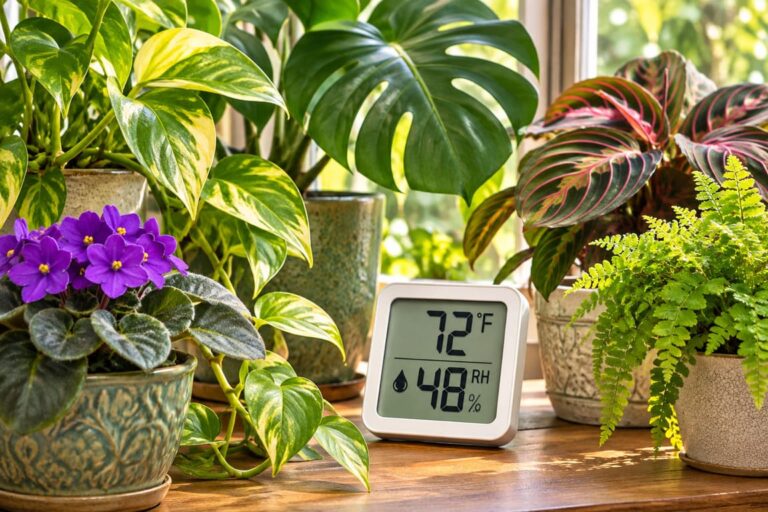
Many houseplants grow well with moderate indoor humidity, although individual needs vary. Monitoring humidity can be especially useful during winter, when heated indoor air often becomes drier, or whenever conditions in the home appear to be changing.
High humidity by itself does not saturate houseplant potting soil or directly cause root rot. Persistently wet potting mix is more commonly associated with overwatering, poor drainage, or an inappropriate growing medium. However, humid, stagnant conditions can slow evaporation and may contribute to an environment favorable to certain fungal problems.
How Can Roof Maintenance Help Maintain a More Stable Home?
Maintaining the roof and building envelope helps limit unwanted water intrusion and drafts that can affect indoor living spaces.
If you suspect roof damage, leaks, or problems around flashing or vents, a roofing professional such as Great State Roofing can inspect the roof and identify areas that may require repair.
Roofing professionals may examine shingles, flashing, soffits, vents, and other components that help protect the home from rain and manage airflow through attic spaces. Addressing small problems before they become larger leaks can help protect both the structure and the indoor environment.
For houseplants, the benefit is indirect but worthwhile. A well-maintained home makes it easier to provide the relatively stable temperature and humidity conditions many indoor plants prefer.
What Steps Help Maintain a Stable Indoor Environment?
Building maintenance and good plant care work together. Regular monitoring can help you notice environmental changes before they become serious problems.
Track indoor humidity: Place a digital hygrometer near your plants to monitor relative humidity and watch for significant changes.
Look for signs of water intrusion: Check ceilings, walls, window areas, and molding for water stains, discoloration, peeling paint, or dampness.
Pay attention to drafts: If plants are growing near an area that suddenly feels colder or draftier, investigate the source rather than assuming the plant itself is the problem.
Provide gentle air circulation: Mild room air movement can help prevent stagnant pockets around grouped plants. Avoid directing strong airflow from heating or cooling vents directly at foliage.
Check the potting mix before watering: Do not automatically change your watering schedule because outdoor weather is rainy or humid. Instead, check the moisture level of the potting mix and water according to the plant’s actual needs.
Watch your plants for changes: Yellowing, brown tips, leaf drop, or fungal spotting can have multiple causes. Consider light, watering, temperature, humidity, pests, and recent environmental changes before deciding on a treatment.
Protect Your Houseplants by Watching the Whole Environment
Healthy houseplants depend on more than watering and fertilizer. Light, temperature, humidity, air circulation, and the overall condition of the indoor environment all influence how plants grow.
Roof leaks and other structural moisture problems do not automatically cause plant disease or root problems. They can, however, introduce unwanted moisture, drafts, and temperature changes that make indoor conditions less stable.
By addressing building problems promptly while continuing to monitor your plants’ individual growing needs, you can create a healthier environment for both your houseplants and your home.
Julie Bawden-Davis is a best-selling garden author, blogger, YouTuber and Master Gardener dedicated to sharing indoor gardening expertise with aspiring gardeners. She has published several gardening books and more than 5,000 articles in major publications. A former garden columnist for the LA Times, San Francisco Chronicle and Parade.com, she is founder of HealthyHouseplants.com and its YouTube channel.
 Julie Bawden-DavisNovember 17, 2026