How to Care for Indoor Houseplants Effectively
 Julie Bawden-DavisSeptember 25, 2025


 Julie Bawden-DavisSeptember 25, 2025
Indoor houseplants do more than decorate a space. They purify the air, reduce stress, and create a sense of calm. But if you’ve ever had a plant turn yellow or wilt unexpectedly, you know it takes more than good intentions to keep them thriving. Caring for houseplants is about balance — water, light, soil, and attention.
Here’s how to give your plants the care they deserve.
Every plant has its own personality. Some love the spotlight, others prefer shade. For example, succulents and cacti thrive in bright, direct light, while peace lilies and pothos are more comfortable in dimmer, medium-light spaces.
Look at where natural light hits in your home. South-facing windows usually provide the strongest rays, while north-facing ones tend to be gentler. If your space is low on sunlight, a small full-spectrum grow lamp can make a big difference.
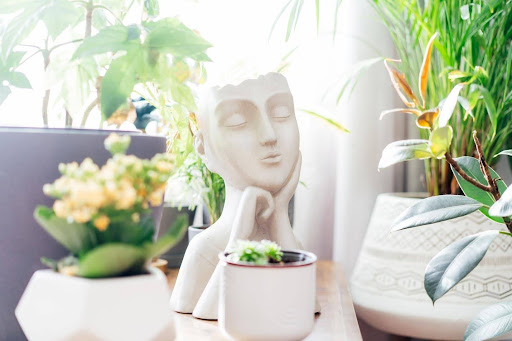
Watering is the trickiest part for beginners. Too much water suffocates roots and leads to rot. Too little, and leaves begin to droop or dry out. The golden rule is simple: check the soil. Stick your finger an inch down—if it feels dry, it’s time to water.
For plants like succulents, let the soil dry out completely before the next round. Peace lilies, on the other hand, prefer soil that stays slightly moist.
Soil matters more than most people think. Different plants need different textures—cactus mix drains quickly, while ferns prefer richer, moisture-retaining soil. Using the wrong soil can hold back growth or even lead to plant death.
Also, always pick pots with drainage holes. That way, excess water flows out instead of sitting at the bottom, which prevents root damage.
Dust can build up on leaves, blocking sunlight and slowing down photosynthesis. Wipe leaves with a damp cloth every couple of weeks. Pruning is equally important. Snip off dead leaves and faded flowers so the plant can focus energy on new growth.
This small habit not only keeps plants healthier but also makes them look more vibrant.
Most indoor plants prefer the same conditions we do—moderate temperatures and a bit of humidity. Avoid placing them near radiators, vents, or drafty windows.
For tropical plants like ferns or calatheas, higher humidity helps. A simple solution is to mist them lightly with water or place a small tray of water near the plant to add moisture to the air.
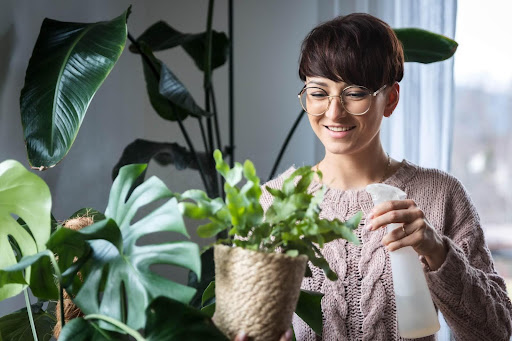
Caring for plants requires routine, and sometimes life gets busy. That’s where smart tools help. You can set reminders on your phone, or even use a smartwatch like the Samsung Galaxy Watch 6 to schedule watering alerts, track care tasks, or log plant notes. With technology, staying consistent becomes easier, and your plants reap the rewards.
Just like people, plants need food. Fertilizers provide the nutrients that indoor soil eventually runs out of. Most houseplants benefit from feeding every four to six weeks during the growing season (spring, summer and early fall). In late fall and winter, cut back, as plants naturally slow down.
Choose a balanced, water-soluble fertilizer and follow the instructions carefully to avoid overfeeding.
Plants can’t talk, but they show when something’s wrong. Yellow leaves may mean too much water, while brown tips can signal low humidity. Slow growth might point to a lack of light. The key is observing patterns and adjusting care.
When in doubt, do a little research on your specific plant type. Each one has unique quirks.
Caring for indoor houseplants isn’t complicated once you understand their needs. The essentials are simple: proper light, smart watering, the right soil, and a little routine care. With consistency, you’ll see your plants thrive—turning dull corners into vibrant green havens.
And if you need a nudge to stay on track, let technology lend a hand. Tools like reminders, apps, and even wearables can keep you consistent. That way, you get the joy of healthy, flourishing plants without the stress of forgetting their care.