Smart Gardening Tricks That Help Plants Stay Vibrant and Fresh
 Julie Bawden-DavisOctober 4, 2025


 Julie Bawden-DavisOctober 4, 2025
Indoor gardening has become more than just a hobby; it’s a way to bring life, color, and a sense of calm into our homes. Keeping indoor plants vibrant and healthy can sometimes feel like a mystery. Unlike outdoor gardens, indoor plants face challenges like limited sunlight, inconsistent humidity, and confined spaces that require special care techniques.
The good news is that with a few smart gardening tricks, you can create an environment where your houseplants survive and thrive. Here are some practical strategies to keep your indoor greenery fresh, vibrant, and flourishing.
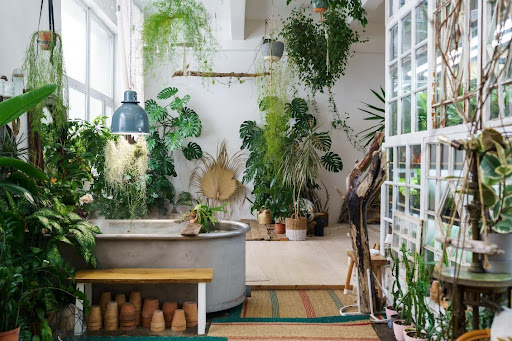
One of the most crucial factors in maintaining healthy indoor plants is light. Every plant has specific lighting needs, from bright, direct sunlight to low-light tolerance. Observing the natural light patterns in your home can help you position your plants for optimal growth.
For example, south-facing windows typically provide the most intense light, while north-facing ones are better for shade-tolerant species. If natural light is limited, consider supplementing with full-spectrum grow lights that mimic sunlight.
Rotating plants every few weeks also ensures even light exposure, which prevents leggy growth and keeps leaves uniformly vibrant.
Selecting the right soil is important for keeping indoor plants vibrant and thriving. Different plants have different needs, and soil pH plays a crucial role in nutrient availability and growth. Acid-loving plants like African violets prefer slightly acidic soil, while succulents thrive in neutral to slightly alkaline mixes.
Using quality topsoil can provide a solid foundation for roots, offering structure and nutrients in the middle of the growing medium. Mixing in compost or perlite can improve drainage and aeration, preventing root rot.
Understanding your plant’s soil preferences and adjusting pH levels accordingly ensures stronger growth, healthier roots, and more vibrant foliage indoors.
Proper watering is another critical aspect of indoor plant care. Overwatering is a common mistake that can lead to root rot, while underwatering causes leaves to wilt and turn brown. It’s important to understand each plant’s specific moisture requirements.
Many houseplants prefer their soil to dry slightly between waterings, while others thrive in consistently moist conditions. Checking soil moisture with your finger or by using a moisture meter can prevent guesswork. Using pots with proper drainage ensures excess water does not accumulate at the bottom.
Mastering watering techniques keeps roots healthy, encourages robust growth, and helps your indoor plants maintain a lush, vibrant appearance.
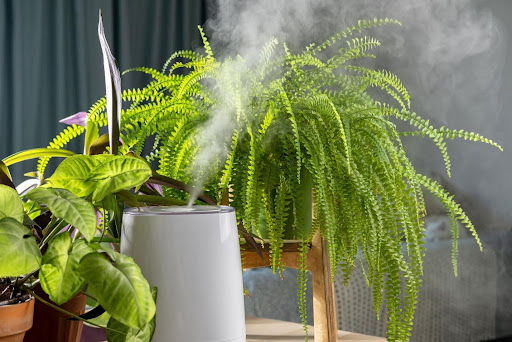
Indoor environments during winter often have dry air that can stress plants. Many tropical indoor plants, such as ferns and orchids, thrive in higher humidity, while cacti and succulents prefer drier conditions.
To maintain optimal humidity, you can group plants, use humidity trays, or employ small indoor humidifiers in specific areas. Regular misting can be beneficial for plants that enjoy moist air, though it should be done with care to avoid fungal issues.
Monitoring humidity levels and adjusting your indoor environment accordingly creates favorable conditions for leaf growth, flower production, and plant health.
Indoor plants rely on soil nutrients for growth, but in a confined pot, these nutrients can be depleted. Regular feeding with a balanced, organic fertilizer supports vibrant leaves, stronger stems, and flowering in seasonally blooming plants.
Liquid fertilizers are particularly useful for quick absorption, while slow-release pellets provide steady nourishment. It’s important to follow recommended guidelines for each plant type, as over-fertilizing can damage roots and leaves.
By understanding your houseplant’s nutrient needs and providing the right type of fertilizer at the right intervals, you ensure they remain lively and healthy year-round.
Pruning plays a significant role in indoor plant care as well. Removing dead or yellowing leaves prevents disease and allows the plant to focus energy on new growth. Trimming leggy stems encourages fuller, bushier plants and helps maintain an attractive shape.
Regularly cleaning houseplant leaves to remove dust improves photosynthesis, allowing plants to absorb light more efficiently. Simple grooming tasks like these may seem minor, but they have a major impact on the plant’s vitality, keeping it looking fresh and well-maintained.
Caring for indoor plants may require attention to detail, but the rewards are well worth the effort. By understanding and implementing smart gardening tricks, like optimizing light, mastering watering, controlling humidity, providing nutrients, pruning properly, and managing pests, you can create a home environment where your houseplants flourish.
Healthy, vibrant indoor plants enhance your living space visually and contribute to improved air quality and a sense of well-being. With these strategies, you’ll enjoy the satisfaction of a lush, thriving indoor garden year-round.