Some Houseplants Can Be Harmful
 Julie Bawden-DavisOctober 4, 2025


Houseplants bring a sense of life into homes, purify the air, and provide a calming presence. Yet some of these seemingly harmless companions hold hidden dangers that can affect both people and pets.
Certain plants contain toxins capable of causing skin irritation, allergic reactions, and gastrointestinal distress if ingested. Even outdoor threats such as poison ivy can make their way indoors and continue to cause harm.
Understanding which plants pose risks, recognizing their effects, and knowing how to handle exposure are crucial for safe indoor gardening. By approaching houseplant care with knowledge and caution, anyone can enjoy the beauty of greenery without compromising well-being.

Many households unknowingly host plants that contain chemical defences capable of harming those who touch or ingest them. Peace lilies, philodendrons, and dieffenbachia are popular choices for their lush foliage but carry calcium oxalate crystals that irritate the mouth, throat, and digestive system.
Children are particularly vulnerable since curiosity often leads them to chew on leaves. Symptoms can include swelling, intense burning, and difficulty swallowing. Snake plants, often chosen for their hardiness, contain saponins that upset the stomach and may cause nausea. Handling these plants without taking extra precautions can also result in skin irritation.
Learning which houseplants are dangerous helps reduce the likelihood of accidental poisoning and allows safer placement in homes where children are present.
Poison ivy is rarely cultivated indoors, yet its presence can occur when contaminated items, firewood, or leaves are brought into a home. The plant’s toxic effect comes from a compound called urushiol oil, which lingers on clothing, tools, or pet fur long after direct contact with the leaves. This oil can cause severe rashes, blisters, and itching when it touches the skin.
Neutralizing residue involves careful cleaning with specialized cleansers, immediate laundering of exposed fabrics, and bathing pets that may have carried the toxin inside. Gloves should always be worn when handling items that might be contaminated, and all surfaces must be disinfected thoroughly. Acting quickly limits the spread of the oil and helps prevent prolonged outbreaks of irritation.
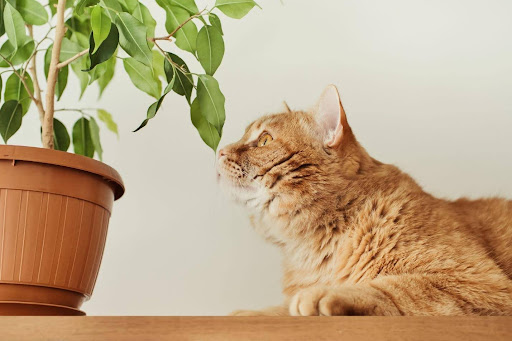
Cats and dogs frequently chew on greenery out of boredom or instinct, and many common houseplants can pose serious risks to their health. Lilies, for example, are highly toxic to cats, with ingestion potentially leading to kidney failure. Dogs may experience vomiting, diarrhea, or lethargy if they consume aloe vera or pothos leaves.
The problem often arises when plants are placed within easy reach of pets. Keeping toxic plants high on shelves or choosing non-toxic varieties like peperomia, African violet and Parlor Palm can protect animals from harm. Monitoring behavior and noticing signs such as drooling, pawing at the mouth, or changes in appetite can make the difference between quick recovery and severe illness.
Not all dangers stem from ingestion. Direct skin contact with certain plants can trigger painful rashes and blisters. Dumb cane, philodendrons, and aglaonema all contain sap that irritates the skin, sometimes causing redness and swelling within minutes.
For individuals with allergies, the reaction can become even more severe. Poison oak and poison sumac, though less common indoors, share the same urushiol compound as poison ivy and can provoke reactions from very small amounts of residue.
Washing the affected area with soap and water is critical after any suspected exposure, and topical treatments can help reduce inflammation. Preventive measures, such as wearing gloves when pruning or repotting, significantly lower the chances of direct contact with irritating plant sap.
Preventing accidents begins with selecting safe plants for the indoor environment. Researching plant toxicity before purchase can save trouble later. For homes with young children or pets, opting for ferns, palms, or spider plants offers greenery without hidden dangers. Clear labeling of toxic plants with visible tags can serve as a reminder for family members and visitors.
When handling or pruning toxic varieties, protective clothing like gloves and long sleeves create a barrier against sap and oils. Prompt cleaning of spills, plant trimmings, and dropped leaves helps reduce accidental exposure. Creating a safe indoor garden requires planning and awareness, but it allows people to enjoy the beauty of plants with peace of mind.
Even with precautions, accidental contact or ingestion may occur. Knowing how to respond quickly can make a critical difference. If a person ingests a toxic plant, calling poison control and following their guidance should be the first step.
For pets, immediate consultation with a veterinarian is necessary. Skin contact requires swift washing with soap and cool water, followed by using over-the-counter creams to manage discomfort. Keeping emergency contact numbers readily accessible empowers families to respond effectively during unexpected situations.
Houseplants bring beauty and a touch of nature indoors, but they can also introduce hidden dangers if toxic varieties are grown without awareness. Many popular plants contain compounds that harm both humans and pets, whether through ingestion or simple contact with the skin.
Poison ivy, though not deliberately cultivated indoors, can cause lingering problems when its toxic oil enters the home. Recognizing the risks, using protective measures, and knowing how to respond to exposure are all part of responsible indoor gardening. With thoughtful choices and careful handling, anyone can enjoy the presence of plants without compromising safety or health.