Tips for Growing Healthy Houseplants Indoors
 Julie Bawden-DavisOctober 28, 2025


 Julie Bawden-DavisOctober 28, 2025
Houseplants do more than just brighten up your space. They clean the air, improve your mood, and make any room feel alive. But keeping them healthy can sometimes feel like a mystery. Too much light, not enough water, or the wrong soil can make even the hardiest plant struggle.
If you’ve ever wondered how to keep your houseplants thriving, here are some simple, real-world tips to help your indoor garden flourish all year round.
Not all plants enjoy the same conditions. Some love bright, sunny windows, while others prefer low light and cooler temperatures.
Before buying, take a quick look around your space. How much light do your rooms get? Is the air dry or humid? Match the plant to the environment, not the other way around.
For beginners, low-maintenance options like snake plant, pothos and ZZ plant are great choices. They can handle a bit of neglect and still look beautiful.
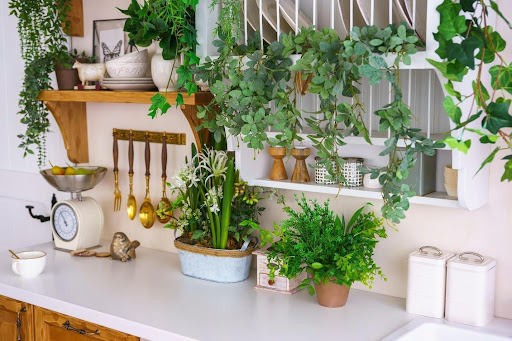
The number one mistake people make with indoor plants is overwatering. Roots need oxygen to stay healthy, and constantly soggy soil can cause rot.
A good rule of thumb is to check the top inch to two inches of soil before watering. If it’s dry, go ahead. If it’s still damp, wait a few more days. Or you can use a moisture meter to see if the plant needs watering. Most houseplants require watering when the meter reads 4; nearly 3.
Also make sure your pots have drainage holes. Trapped water is the fastest way to send your plants downhill.
Light is food for plants. Without enough light, growth slows, leaves fade and stems get weak.
Most houseplants thrive in bright but indirect light. Place them near a window with filtered sunlight or a few feet back from a sunny spot. For darker rooms, try full-spectrum grow lights designed for indoor plants.
Rotate your plants every few weeks so all sides get equal light. This keeps them growing straight and strong instead of bending toward one direction.
Like people, plants need nutrients to grow. Most potting soils come with some fertilizer mixed in, but it only lasts a few months.
During the growing season, generally spring and summer, feed your plants every three to four weeks with a well-balanced, organic, water-soluble fertilizer. In autumn and winter, reduce feeding as growth naturally slows down.
Don’t overdo it. Too much fertilizer can burn roots and do more harm than good.
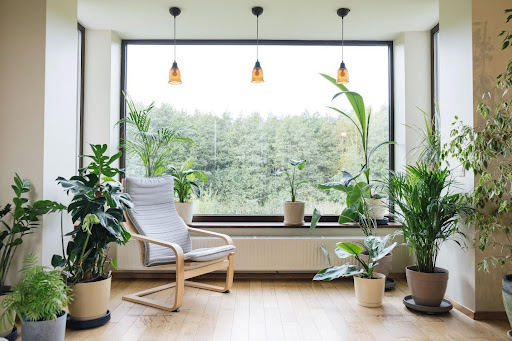
Indoor air can get stale, especially in winter when the windows stay closed. Plants benefit from gentle airflow to prevent mold and pests.
You don’t need a strong fan. Even a light breeze from an open window now and then helps. Just avoid placing plants directly in front of air conditioning or heating ducts, as sudden temperature changes can stress them out and such air tends to be very drying.
Even the healthiest plants can attract pests like spider mites, mealybugs or scale insects.
Check the undersides of leaves regularly. If you spot tiny webs, sticky residue, or discolored spots, act quickly. Rinse pests off foliage and spray with 91 percent isopropyl alcohol, and/or neem oil and insecticidal soap.
Quarantine new plants for a few weeks before placing them near others. It’s easier to prevent an infestation than to fight one later.
As plants grow, their roots need more space. If you notice roots poking through drainage holes or the plant drying out faster than usual, it might be time to re-pot.
Choose a pot one size larger and refresh the soil. Early spring is the best time for repotting, before the flush of spring growth.

Consistency is key. Plants thrive on routine. Try to water, feed and rotate them around the same time each week. Keep notes if needed.
Make inspecting your plants a part of your daily routine. A quick morning check on your houseplants with a cup of coffee or tea can be surprisingly calming and makes a great way to start your day.
Growing houseplants is about balance. Not too much water, not too little light, and a bit of patience. Every plant has its own rhythm and learning that rhythm is part of the joy of indoor gardening.
When you’re done tending to your green friends, reward yourself with something relaxing. Maybe unwind with a cup of tea and a good book, or if gaming is more your style, enjoy a session on a used Xbox Own4Less console. After all, both gardening and gaming are great ways to slow down, clear your mind and enjoy the comfort of home.