Water conservation has become increasingly important as communities strive to create sustainable environments. Incorporating water-wise habits benefits houseplants and contributes to maintaining a happy and efficient home. This guide delves into strategies for conserving water while nurturing your greenery and household.
Sustainable Indoor Plant Care Techniques
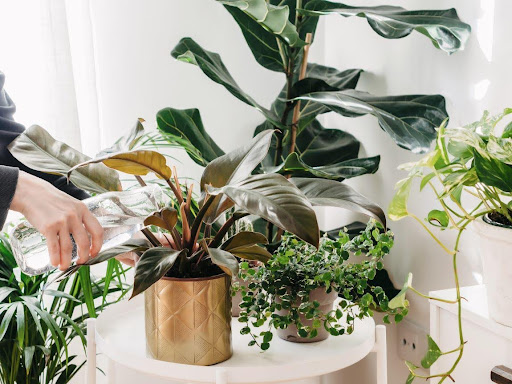
Creating a water-efficient home begins with how you care for your indoor plants. Choosing species that naturally thrive in low-moisture environments, such as succulents, snake plants, and ZZ plants, can greatly reduce the need for frequent watering.
These resilient varieties adapt well to indoor conditions, maintaining their lush appearance with minimal maintenance. By selecting plants suited to your home’s humidity and lighting levels, you conserve water and create a healthier indoor ecosystem.
Grouping plants with similar moisture requirements is another effective strategy. This approach makes it easier to manage watering routines and prevents overwatering, one of the most common causes of root rot in houseplants. Adding a layer of organic mulch, decorative pebbles, or moss to the surface of pots can help retain soil moisture and reduce evaporation.
Ensuring that each plant has proper drainage is equally important. Standing water can lead to root damage and unnecessary water waste. With thoughtful plant selection and care, homeowners can enjoy vibrant greenery that thrives without excess water consumption.
Smart Watering Habits for Indoor Plants
Learning how and when to water indoor plants is vital for both their health and water conservation. Instead of giving plants small amounts of water frequently, it’s more effective to water deeply until moisture reaches the roots, then allow the soil to dry out slightly before the next watering. This encourages stronger root growth and prevents the risk of fungal issues associated with constant dampness.
Monitoring soil moisture before watering is key. Simple tools like a moisture meter or even a finger test can help determine when plants truly need water. Since indoor environments vary in temperature and humidity, watering schedules should adapt to seasonal changes. Plants may require less water during cooler months.
For added precision, self-watering planters or drip systems designed for houseplants can regulate water flow and minimize waste. These tools deliver moisture directly to the roots, ensuring plants receive just the right amount without runoff.
Homeowners who encounter persistent watering issues or suspect plumbing inefficiencies can benefit from professional plumbing services to optimize their home’s water systems, ensuring both plants and property stay in top condition.
Indoor Water Conservation Techniques
While outdoor practices are crucial, conserving water indoors is equally important. Simple changes in habits can make a significant impact. Fixing leaks immediately can save gallons of water. A small drip from a leaky faucet can waste more than 3,000 gallons in a year, highlighting the importance of prompt repairs.
Another method is to install low-flow fixtures in kitchens and bathrooms. These devices are designed to deliver the same water pressure while using significantly less water. Being mindful of water usage during everyday tasks like showering or washing dishes can further contribute to conservation efforts. Taking shorter showers and only running the dishwasher with full loads can result in notable water savings.
Maintaining Efficient Systems
Maintaining plumbing and irrigation systems is crucial to ensuring ongoing efficiency. Regular inspections can catch leaks and inefficiencies before they become major issues.
Understanding how different systems work allows homeowners to troubleshoot issues quickly and reduce challenges associated with water loss. For those uncertain about diagnosing issues themselves, seeking comprehensive plumbing services is an excellent step to ensure your systems are running efficiently. Professionals can offer advice on best practices for maintenance and implement solutions that promote sustainability in your home.
Prioritizing the upkeep of these vital systems allows homeowners to save water and to contribute to a greener future.
Collecting Rainwater
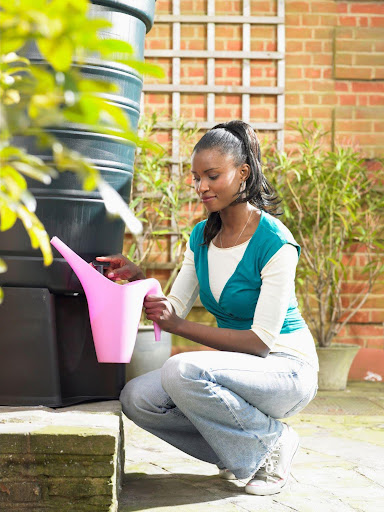
Rainwater harvesting has gained traction as an effective means of conserving water. By installing rain barrels or cisterns, homeowners can collect rainwater from roofs and direct it toward irrigation systems or gardens—indoors and out. This method reduces reliance on municipal water supplies and promotes sustainability by using a natural resource. Homeowners can often find various rainwater collection systems tailored to fit their needs and landscapes.
The benefits of rainwater harvesting extend beyond just saving water. It can reduce erosion and protect local waterways from runoff pollution. The collected water is typically free of the chemicals found in municipal water supplies, making it an excellent option for watering gardens and plants. Proper filtration and storage systems ensure that this water stays clean and is available for use as needed. Engaging in rainwater harvesting serves as an environmentally friendly approach and contributes significantly to personal water conservation efforts.
Education and Community Awareness
Building a culture of water conservation involves education and community engagement. Schools and local organizations can host workshops and provide literature on water-saving tips and gardening practices. This awareness informs individuals and encourages collective action within communities. Participating in local conservation initiatives or garden clubs can foster a sense of community and shared responsibility toward water use.
By sharing knowledge and strategies for maintaining water-efficient households and gardens, communities can initiate substantial changes. Programs that highlight the importance of conserving water during droughts or when reservoirs are at low levels can galvanize citizen engagement. Awareness campaigns are vital in cultivating a long-term culture of conservation, positioning individuals as stewards of their resources.
Long-Term Benefits of Water Conservation
Establishing water-wise habits has numerous long-term benefits. From decreasing water bills to improving environmental sustainability, the effects of conservation extend far and wide. Cultivating drought-resistant plants and using efficient watering methods leads to less plant stress, resulting in healthier landscapes.
As communities adapt to changes in climate and growing water scarcity issues, adopting these practices is not just advisable. It is necessary. By instilling these habits, individuals can take pride in contributing to water conservation efforts, knowing that their actions can make a significant difference.
Incorporating Technology for Efficiency
Innovation plays a central role in modern water conservation efforts. Various technologies are emerging that help monitor water usage and detect leaks. Smart home systems can provide real-time data on water consumption patterns, enabling homeowners to make informed decisions about their usage.
Meanwhile, apps that track gardening needs can guide users on optimal watering schedules based on current weather conditions. Such integrations encourage sustainable practices in both indoor and outdoor environments and align with contemporary advancements in water efficiency.
The integration of technology allows homeowners to actively engage in their conservation efforts by providing crucial information at their fingertips. Approaches like these are shaping the future of how individuals manage their water resources and maintain lush, green surroundings.
Julie Bawden-Davis is a best-selling garden author, blogger, YouTuber and Master Gardener dedicated to sharing indoor gardening expertise with aspiring gardeners. She has published several gardening books and more than 5,000 articles in major publications. A former garden columnist for the LA Times, San Francisco Chronicle and Parade.com, she is founder of HealthyHouseplants.com and its YouTube channel.
 Julie Bawden-DavisNovember 7, 2025