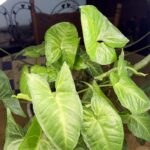
Apartment living often comes with trade-offs. These include limited square footage, fewer windows, and the constant challenge of making a small space feel like home. For many renters, houseplants have become the go-to solution, offering a way to soften hard edges, add color, and bring a sense of calm to even the smallest studio.
But caring for plants in a tight space needs a different approach than tending to a sprawling backyard garden. Light is scarcer, airflow is trickier, and every square inch counts. With the right strategy, however, even the smallest apartment can become a thriving indoor jungle.
Start by Understanding Your Light
Before buying a single plant, take time to observe how natural light moves through your apartment over the course of a day.
North-facing windows give you consistent but low light
South-facing windows offer the brightest exposure
East and west windows fall somewhere in between, with east offering gentler morning sun and west delivering stronger afternoon rays
Match plants to the conditions you actually have, not the ones you wish you had. Snake plants, pothos, ZZ plants, and philodendrons tolerate low light remarkably well. If you have a sunny window, succulents, fiddle-leaf figs, and herbs like basil will thrive. Trying to grow a sun-loving plant in a dim corner is one of the most common reasons beginners fail, so honest assessment beats wishful thinking every time.
Choose Plants That Match Your Lifestyle
Those in small apartments often lead busy lives, and not every plant is forgiving of an irregular care schedule. If you travel frequently or tend to forget watering days, choose drought-tolerant varieties like succulents, cacti, or snake plants. If you enjoy a more hands-on routine, ferns, calatheas, and prayer plants reward attentive care with lush growth.
Roommates also factor into the equation. In shared apartments, agree early on who is responsible for which plants, especially if they sit in common areas.
Pet owners should double-check toxicity lists, since common varieties like lilies, pothos, and dieffenbachia can be harmful to cats and dogs. Spider plants, Boston ferns, and parlor palms are widely considered pet-safe alternatives.
Be Clever About Using Your Space
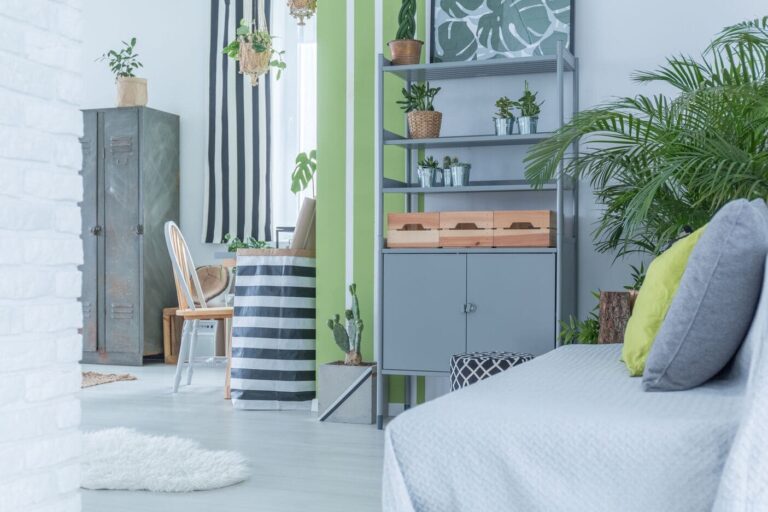
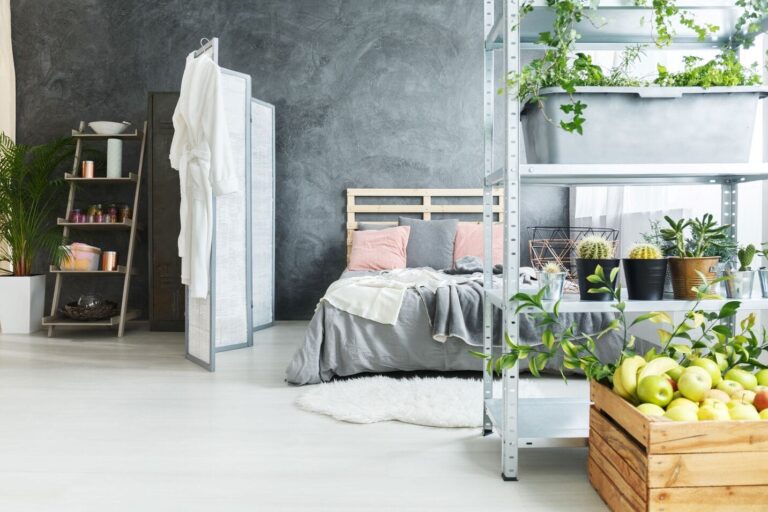
When you don’t have a lot of floor space, look up. Walls, ceilings, and the tops of bookshelves offer underused space for houseplants. Wall-mounted planters, macramé hangers, and placing tension rods near windows can hold a surprising number of trailing plants. Floating shelves can work as both decor and a growing area.
Trailing varieties like string of pearls, English ivy, and heartleaf philodendron look especially striking when you hang them high, with vines cascading down. Pole-climbing plants such as monsteras and pothos can be trained upward on moss poles, drawing the eye upwards and making a room feel taller.
If you’re searching for an apartment that fits both your lifestyle and your green ambitions, platforms likespareroom.com can help you find rooms and shared spaces with the kind of natural light and layout flexibility that make plant care easier. A bright corner or a window-lined common area can be a deciding factor for plant lovers when comparing listings.
Master the Basics of Watering and Humidity
Overwatering kills more houseplants than almost anything else. In small apartments, where you don’t have a lot of airflow and soil dries more slowly, this is especially true. Stick your finger an inch to two inches into the soil before watering and, if it still feels damp, wait. Or use a moisture meter and water when the gauge hits 4, nearly 3. Most common houseplants prefer to dry out partially between waterings rather than sitting in constantly moist soil.
Humidity matters, too. Apartments with central heating or air conditioning often run dry, which stresses tropical plants. Grouping plants together creates a microclimate of shared moisture, and a small humidifier can make a difference for ferns, calatheas, and other humidity-loving species. Creating a humidity tray filled with pebbles and water that sits just below those pebbles is an alternative that costs almost nothing.
Manage Pests and Cleanliness in Tight Quarters
In a small apartment, a pest problem on one plant can quickly spread to others. Inspect new arrivals carefully before bringing them home, and consider quarantining them for a week or two on a separate shelf. Common culprits include spider mites, scale insects, fungus gnats, and mealybugs, all of which can be managed with 90% isopropyl alcohol, neem oil, and insecticidal soap, if caught early.
Wipe leaves regularly with a damp cloth. Dust accumulates faster than people expect, and a thin layer can block the light your plants need to photosynthesize. Cleaning leaves also gives you a chance to inspect for early signs of pests or disease. In smaller living spaces, prevention is far easier than treatment.
Build a Routine That Fits Your Space
The most successful indoor gardeners are not necessarily the ones with the most knowledge, but the ones with consistent habits. Pick a day each week to check soil moisture, rotate pots so plants grow evenly, and prune any yellowing leaves. Keep a small caddy with your essentials: watering can, pruning scissors, fertilizer, and a spray bottle.
Apartment plant care also benefits from seasonal adjustments. Plants generally need less water in winter and more in summer, and many enter a dormant phase during shorter days. Reducing fertilizer in colder months and gradually increasing it in spring helps mirror their natural rhythms.
Caring for Houseplants Transforms Your Apartment
Caring for houseplants in a small apartment is all about intention. With careful plant selection, smart use of space, and a consistent routine, even a studio can feel like a living, breathing greenhouse.
Start with one or two plants, learn their preferences, and expand as your confidence grows. Over time, what begins as a single pot on a windowsill can become one of the most rewarding aspects of apartment life.
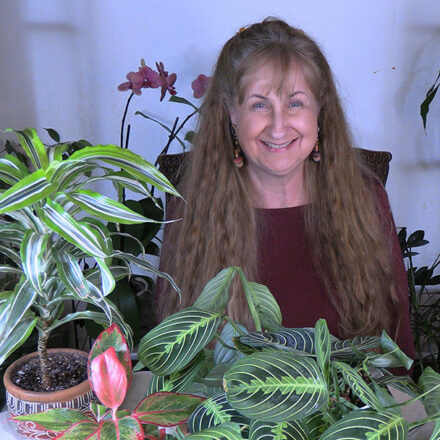
Julie Bawden-Davis is a best-selling garden author, blogger, YouTuber and Master Gardener dedicated to sharing indoor gardening expertise with aspiring gardeners. She has published several gardening books and more than 5,000 articles in major publications. A former garden columnist for the LA Times, San Francisco Chronicle and Parade.com, she is founder of HealthyHouseplants.com and its YouTube channel.
 Julie Bawden-DavisMay 26, 2026