Indoor plants spend months tucked away in cozy rooms during the cold seasons. Bringing them out into the fresh air can give them a massive growth boost. Moving them too fast can shock their delicate leaves and ruin your hard work, though. You need a careful plan to make the transition smooth.
Check the Outdoor Temperature First
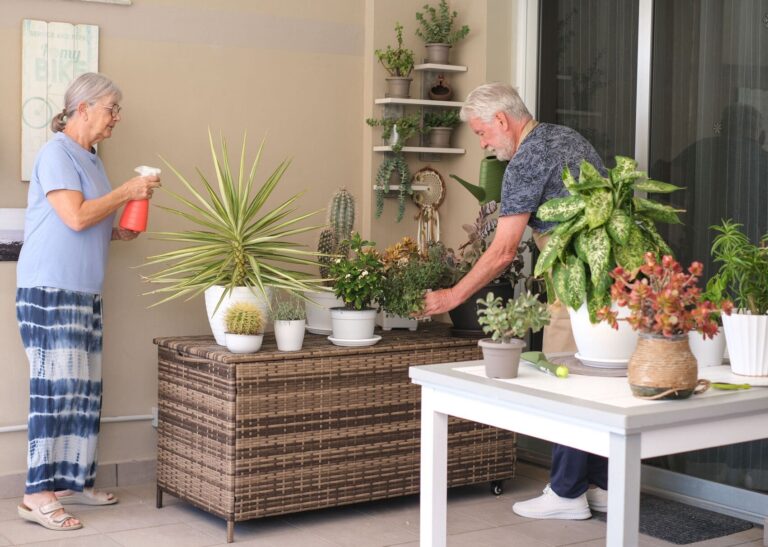
Spring weather brings a lot of excitement for backyard projects. Working with experts like the Platinum Deck and Patio team creates the perfect backyard setup for summer relaxation. Your green companions will thrive on a sturdy deck once the frost clears completely.
Cold wind harms delicate indoor growth. Sudden changes can cause leaves to drop in a matter of days. Keep a close eye on the local forecast before changing their environment. Local weather apps provide accurate hourly updates.
Warm days can fool you into acting too early. Spring conditions fluctuate wildly from week to week. A patient approach keeps your favorite varieties safe from unexpected shocks. Waiting for stable trends prevents regrets.
Find the Right Shady Spot
Indoor sun is much weaker than direct outdoor rays. Start your greenery in a fully shaded area for just a couple of hours on the first day. You can slowly increase their outdoor time over a span of 7 to 10 days. A gradual method protects the leaves from burning in the intense heat.
Direct sunlight can scorch foliage quickly. Thicker leaves handle the light better, but delicate ferns need constant protection. Look for spaces under an awning or a large tree canopy.
Porches offer excellent shelter during the first week. Shadows protect the pots as the root systems adjust to outdoor air movement.
Monitor Overnight Weather Shifts
Nighttime temperatures can drop quickly, even when days feel warm. Wait until overnight temperatures stay reliably above 50 degrees Fahrenheit before making the move. Chilly air stunts growth and damages roots. Steady warmth saves you from losing fragile species.
Spring can be incredibly unpredictable. One random cold night can ruin months of careful indoor care. Keep your pots near the doorway for quick moving if a freeze threatens. Preparing a backup space indoors saves time.
Thermometers placed on the deck track exact conditions. Microclimates near the house wall stay slightly warmer than open yard areas. Use these warm pockets to your advantage. Sheltered corners offer a safer environment.
Establish a Safe Routine
Bringing containers back inside every evening sounds tedious, but it pays off. Keep plants indoors overnight until you are certain the low temperatures remain above 50 degrees. Moving them back and forth builds up their strength. The extra effort keeps your collection thriving through early seasonal shifts.
Using plant stands with wheels makes rolling them across the threshold much easier. Your back will thank you during the transition phase. Set a reminder on your phone for sunset. Gathering the pots before dark prevents you from forgetting them in the cold.
Watch for Changing Light Patches
Outdoor spaces change throughout the day as the sun moves across the sky. A spot that seems safe at 9 in the morning might get cooked by 2 in the afternoon. Tracking the shadows on your patio helps you choose permanent spots. Here are several ways to manage the light.
Monitor the porch at different hours to map out full shade spots
Move pots behind larger outdoor furniture for extra afternoon protection
Group containers together so they shade each other from harsh rays
Use shade cloths during the brightest hours of the day
Sunburn on leaves looks like bleached or brown patches. Once a leaf burns, it cannot recover its original color. Trimming damaged foliage helps the plant focus on new growth. Healthy roots will push out fresh green shoots soon.
Check the Soil for Watering Readiness Regularly
Outdoor wind and heat dry out soil much faster than indoor conditions. Pots might need water every day instead of once a week. Insert your finger one to two inches into the soil and water when dry. If using a soil moisture meter, water when the gauge reads 4, nearly 3. Also note that dry soil shrinks away from container edges.
Plastic containers hold water longer than clay pots. A plastic pot is generally modestly priced and holds water well. Terracotta options breathe easily but lose water fast in breezy conditions. Matching water habits to pot materials saves time.
Morning watering gives plants the strength to handle midday heat. Evaporation happens quickly under the afternoon sun. Give them a deep soak early to keep the roots cool. Hydrated roots resist heat stress more easily.
Taking your plants outside transforms your patio into a lush retreat. Following these steps prevents the sudden shock that ruins beautiful foliage. Your careful tracking of temperature and light guarantees a successful summer season.
Watching your indoor collection thrive in the open air brings immense satisfaction. Give your green favorites the time they need to adapt, so they can reward you with spectacular growth.
Julie Bawden-Davis is a best-selling garden author, blogger, YouTuber and Master Gardener dedicated to sharing indoor gardening expertise with aspiring gardeners. She has published several gardening books and more than 5,000 articles in major publications. A former garden columnist for the LA Times, San Francisco Chronicle and Parade.com, she is founder of HealthyHouseplants.com and its YouTube channel.
 Julie Bawden-DavisMay 26, 2026