Houseplants make any room more refreshing. A pop of green does that to an enclosed space. But sometimes, your indoor garden setup looks a little too staged. Like you merely forced a piece of nature into the room.
Landscaping supplies can change that. Additions such as pebbles on soil and natural stone decor can help indoor plants stop looking like “decor” and feel like a real garden that just happens to live indoors.
Ready to kick your biophilic interior design up a notch? Here are some ways to make indoor plants look like a natural garden with landscaping materials and techniques.
Layer Different Pot Heights
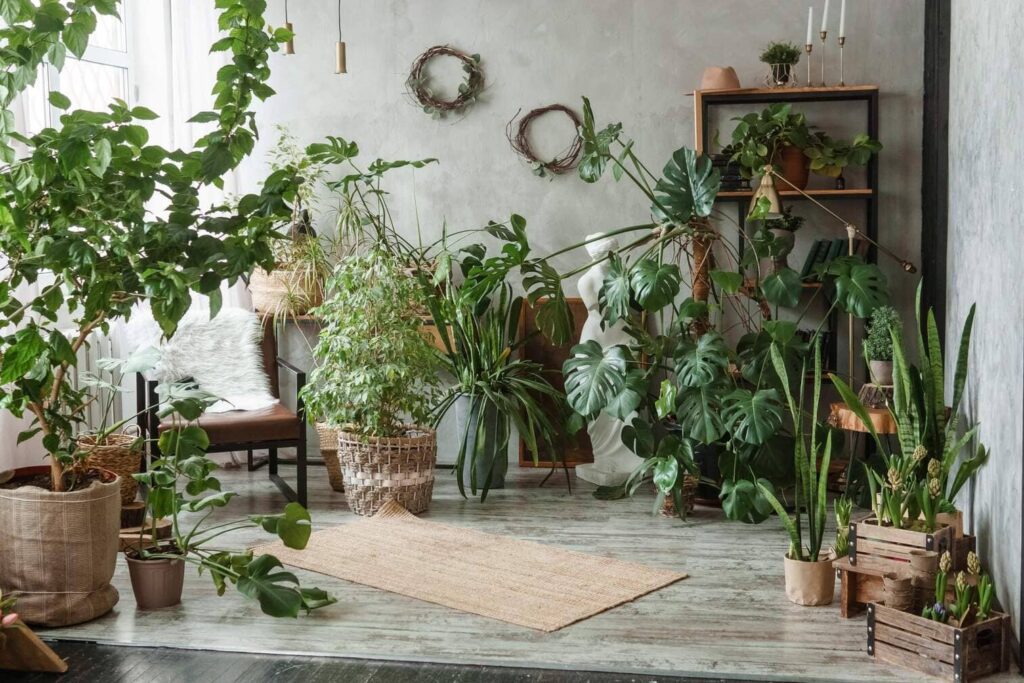
Indoor plants look boring when they all sit at the same level. It flattens the scene. Instead, layer by placing houseplants at varying heights. Add a few hanging pots, too. Use different types of pots to build variation, such as ceramic, terracotta, metal, and woven baskets. Place taller plants in raised stands. Let the smaller ones sit lower on shelves, or even on the floor.
In a natural garden, nothing grows in a straight line. Height always shifts. That’s what makes it feel alive. Try grouping three or four plants with different levels instead of lining them up. For instance, a tall fiddle leaf fig in the back, a rubber plant in the middle at medium height, and a trailing pothos in the front by the floor. The space will start to feel like a mini landscape with depth.
Decorate with Natural Stone Around Pots
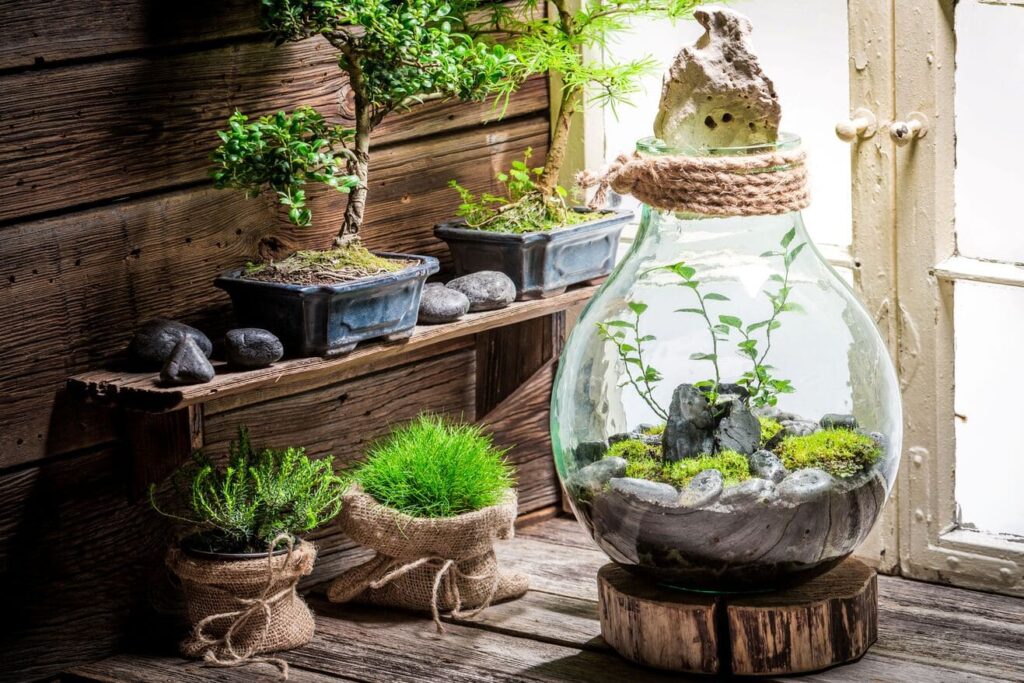
Love how your plants look, but feel like the overall scene looks too sterile? You need more natural texture. Fix that by adding stone to your decor. Experiment with big and small additions. It could be river rock around larger plants, or smaller stones gathered around pots. Arrange stones loosely. That way, they don’t look forced.
Not sure where to get beautiful natural stone for this? Consider sourcing from Terrascape Supply. They have a wide range of landscaping supplies, including stone pieces suitable for both indoor and outdoor garden styling. Your indoor plants will love the extra flair.
Cover Bare Soil with Pebbles
Bare soil can sometimes make a potted plant look unfinished indoors. A simple way to create a more polished, natural appearance is to top-dress the soil with decorative pebbles.
Before adding pebbles, remove any fallen leaves or debris from the soil surface. Then apply a thin layer of pebbles, using just enough to cover the soil while keeping the base of the plant exposed for good air circulation. Mixing pebble sizes often creates a more natural look than using stones that are all the same size.
Light-colored pebbles can brighten a space and create an airy feel, while darker stones tend to add a richer, more grounded look. Whichever you choose, this simple addition helps tie the container and plant together, creating a display that feels more intentional and visually appealing.
Use Wood Mulch for a Grounded Look
Wood mulch looks earthy and warm—like something straight from a forest floor. Spread it over the top of larger pots or planter beds. It softens the contrast between plant and container. The texture also makes the setup look more natural.
Adding mulch is also a great way to care for your houseplants. Mulch helps the soil hold moisture longer. It also means less frequent watering. Try cedar mulch for a lighter tone, or darker bark chips for contrast. Your plants will look more rooted, as if they had organically grown there over time.
Create Moss Corners
Moss is one of my favorite ways to add a woodland feel to an indoor garden. It softens the look of containers and creates the impression that plants are growing in a more natural setting.
Try placing moss around the base of pots or tucking it between stones and other natural materials. Paired with larger foliage plants, it adds texture and layers that can make a plant grouping feel more like a shaded garden nook than a collection of containers.
Add Sun-Like Warmth with Soft Lighting
Lighting plays a big role in how indoor plants look and feel in a space. Harsh overhead lighting can make plants appear flat, while softer lighting tends to highlight their texture, shape, and color much more naturally.
To create a warmer, more garden-like atmosphere, consider adding warm-toned lamps near groups of plants. Positioning lights lower rather than directly overhead can cast gentle shadows across the foliage and add depth and dimension. Instead of bright spotlights, aim for a soft glow that mimics natural light. The result is an indoor garden that feels more inviting and visually interesting, even after the sun goes down.
Display Driftwood or Natural Branches
Natural wood elements can help bring some of the outdoors inside. Driftwood, weathered branches, and other interesting pieces of wood add texture and help tie plant groupings together.
When selecting wood, look for pieces with character. Twists, knots, and irregular shapes often feel more natural than perfectly smooth pieces. A branch placed behind a tall plant or tucked among a grouping of containers can add height and visual interest while helping the display feel more like a garden landscape.
Bringing the Outdoors In
Plants tend to look more natural indoors when they’re displayed in a way that mimics how they grow in nature. Simple touches such as decorative pebbles, bark mulch, preserved moss, or an interesting piece of driftwood can help create that effect. These elements add texture and help blur the line between indoor plant display and natural landscape.
Experiment with different combinations and observe what appeals to you. Even a few thoughtful additions can transform a collection of houseplants into a space that feels more like an indoor garden.
Julie Bawden-Davis is a best-selling garden author, blogger, YouTuber and Master Gardener dedicated to sharing indoor gardening expertise with aspiring gardeners. She has published several gardening books and more than 5,000 articles in major publications. A former garden columnist for the LA Times, San Francisco Chronicle and Parade.com, she is founder of HealthyHouseplants.com and its YouTube channel.
 Julie Bawden-DavisMay 29, 2026