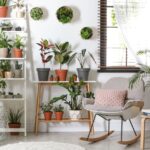
Bringing nature indoors can transform your living space into a calm sanctuary. Greenery softens harsh lines and adds natural texture to bare rooms.
Finding the right balance requires a mix of creativity and strategy that all starts with choosing appropriate containers.
Maximizing Space with Elongated Containers
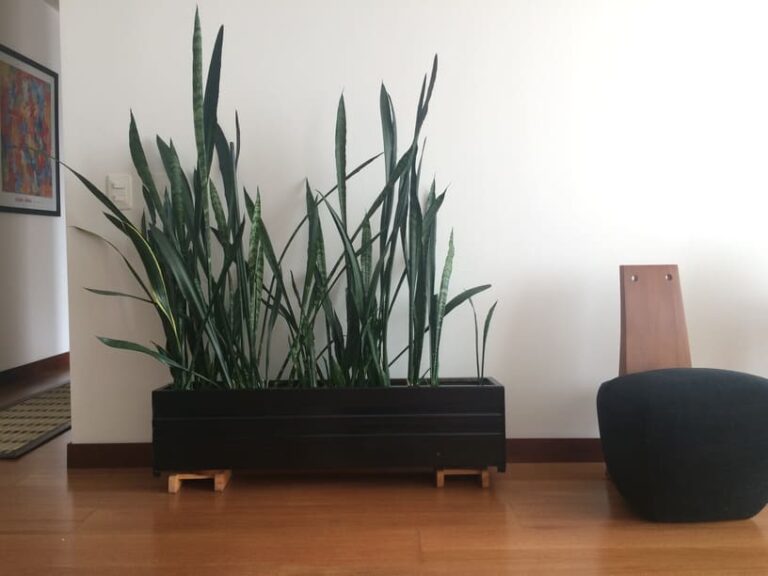
Narrow areas benefit from specific layout choices that draw the eye across horizontal paths. Choosing sleek shapes helps expand tight spots. The team behind https://potsplantersandmore.com/planters/long/ says these selections make narrow rooms feel much larger. Placing such containers along empty corridors, for instance, can create a sense of movement throughout the residence.
Elongated shapes fit perfectly against bare baseboards without blocking heavy foot traffic. These items look excellent beneath large mirrors or television screens. They anchor the heavy objects above them, providing structural balance.
You can line these sleek pieces along a narrow entryway to welcome visitors. It sets a peaceful tone for the rest of the household.
Establishing Natural Boundaries in Open Areas
Modern homes frequently feature wide layouts that combine dining and living zones. Defining these separate zones without building solid walls keeps the home feeling spacious and airy. A strategic arrangement of heavy pots can serve as a functional divider.
Placing long, rectangular planters near hallways or large windows establishes a natural boundary to maximize design space. The green barrier offers privacy without making rooms feel dark or cramped.
You can populate these dividers with tall ornamental grasses or dense leafy varieties. This selection creates a soft screen that filters light beautifully. Such a design allows family members to enjoy separate activities within the same space.
Arranging Greenery in Balanced Groups
Placing solitary pots around a room can sometimes look disorganized or accidental. On the other hand, gathering different pots together creates a miniature indoor garden that commands attention. You can mix varying textures to generate deep visual layers.
Grouping specimens in odd numbers like three or five creates a balanced look compared to even arrangements. The resulting composition becomes dynamic and organic.
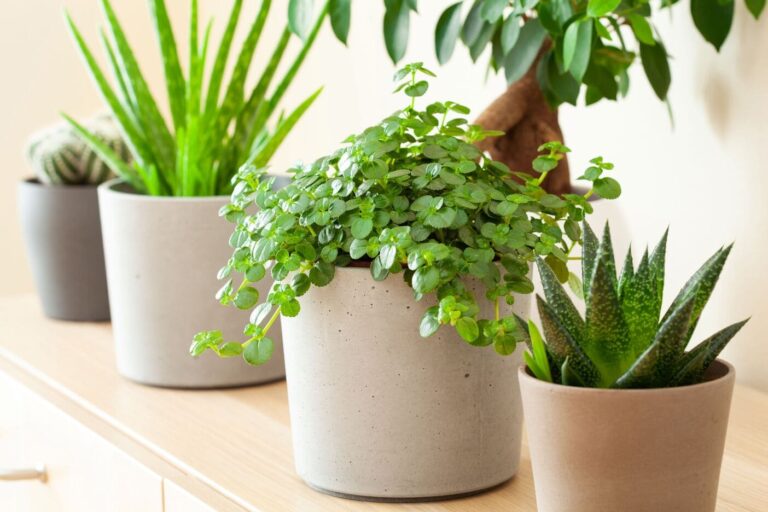
When building these clusters, select pots that share a common element like material or color palette. This shared trait holds the look together, even if the plant shapes vary wildly. Doing this creates a unified display that looks curated.
Managing Water Balance with Proper Pots
Choosing a container involves more than matching colors with your current wall paint. The physical dimensions of the pot affect how well the specimen thrives. A pot that is too large can hold excess moisture at the base.
Choosing the correct container size helps maintain water balance and prevents root binding. Proper dimensions allow roots to access oxygen without sitting in stagnant pools.
Make sure every pot has adequate drainage holes at the bottom. Drainage holes prevent water from accumulating and causing decay. Use decorative saucers underneath to protect your flooring from leaks.
Elevating Small Varieties on Open Shelves
Limited floor space should not restrict your indoor gardening plans. Taking advantage of vertical surfaces like bookshelves or wall ledges allows you to display small specimens safely. High perches keep trailing vines away from curious pets.
Creating a vertical display requires a few smart choices to keep the arrangement stable and attractive. You can arrange your shelves using these basic concepts:
Select lightweight containers made from durable materials.
Put trailing varieties on the highest shelves to let them cascade.
Position sturdier varieties on lower levels to keep the center of gravity low.
These steps keep your shelves secure and add layers of interest to the room. Vertical green elements draw the gaze upward and make ceilings feel higher.
You can mix your favorite books and art pieces among the pots on the shelf. This combination blends natural elements with personal items for a lived-in appearance.
Selecting The Ideal Windows for Optimal Growth
Every room has different lighting conditions, depending on which direction the windows face. Placing a sun-loving specimen in a dark northern corner often results in weak growth. Matching your selections to the available natural light is critical.
Spend a few days observing how sunlight moves through your home before positioning your heavy pots. Southern windows usually provide bright light throughout the afternoon. Eastern windows offer gentle morning light that suits sensitive varieties perfectly.
If a room lacks sufficient window light, introduce specialized grow lights hidden inside stylish floor lamps.
Decorating your home with greenery is an ongoing process of adjustments and discovery. Small changes in placement or container style can completely refresh a room.
Watching your indoor garden grow brings daily satisfaction and connects your indoor life with nature. With some patience and regular attention, your selected spaces will flourish beautifully.
Julie Bawden-Davis is a best-selling garden author, blogger, YouTuber and Master Gardener dedicated to sharing indoor gardening expertise with aspiring gardeners. She has published several gardening books and more than 5,000 articles in major publications. A former garden columnist for the LA Times, San Francisco Chronicle and Parade.com, she is founder of HealthyHouseplants.com and its YouTube channel.
 Julie Bawden-DavisJuly 17, 2026