About Brazilian Fireworks

Brazilian Fireworks Introduction

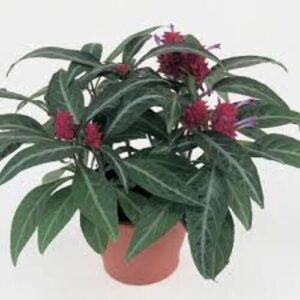
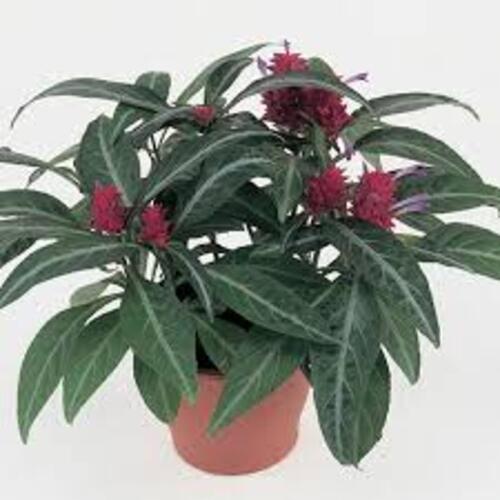
Brazilian Fireworks (Porphyrocoma pohliana) is a striking ornamental perennial known for its vivid purple bracts and long-lasting tubular flowers that resemble bursts of fireworks. Native to Brazil, this plant thrives in warm, humid climates and is commonly cultivated as an indoor ornamental or tropical garden accent. Its upright growth habit and dense foliage make it visually appealing even when not in bloom.nnThe plant typically produces deep green, lance-shaped leaves that provide a lush backdrop for its vibrant floral display. The true flowers emerge from colorful bracts, which persist for weeks, extending the ornamental value of the plant. This extended bloom period is one of its most notable horticultural features.nnPorphyrocoma pohliana is valued not only for its beauty but also for its adaptability to container growing. While it is perennial in tropical regions, it is often grown as a houseplant or patio plant in cooler climates where it must be protected from frost.

Brazilian Fireworks Care & Growing Guide

Caring for Brazilian Fireworks requires an understanding of its tropical origins. This plant prefers warm temperatures, consistent moisture, and bright but indirect light to thrive. When provided with stable conditions, it rewards growers with vivid, long-lasting blooms.nnRegular maintenance includes proper watering, occasional pruning, and feeding during the active growing season. Because it is sensitive to cold and poor drainage, special attention should be paid to potting mix and placement within the home or garden.nnOverall, Brazilian Fireworks is considered an intermediate-level plant that responds well to attentive care. With the right balance of light, water, humidity, and nutrients, it can flourish and become a standout ornamental specimen.

 Soil Soil

Brazilian Fireworks prefers a well-draining, fertile soil rich in organic matter. An ideal mix includes peat moss or coco coir, perlite, and compost, with a slightly acidic to neutral pH range of 6.0–7.0. Good drainage is essential to prevent root rot. Soil amendments such as worm castings or aged compost enhance nutrient availability. Poor drainage can lead to root suffocation, compaction limits oxygen flow, inappropriate pH affects nutrient uptake, salt build-up from fertilizers can cause leaf burn, and nutrient deficiencies result in poor flowering. Root boundness may restrict growth and should be corrected through repotting.

 Fertilizer Fertilizer

Feed Brazilian Fireworks with a balanced, water-soluble fertilizer diluted to half strength every 2–4 weeks during the growing season. A fertilizer with equal NPK values supports foliage and flowering. Over-fertilization causes salt build-up and leaf burn, while under-fertilization results in weak growth and poor blooms. Organic options include compost tea and fish emulsion.

 Watering Watering

Brazilian Fireworks requires moderate, consistent watering. The soil should be kept evenly moist but never waterlogged. Allow the top 2–3 cm of soil to dry between waterings. Rainwater or distilled water is preferred, though tap water is acceptable if not heavily chlorinated. Overwatering leads to root rot and wilting, while underwatering causes drooping leaves. Watering needs decrease slightly during cooler or dormant periods.

Brazilian Fireworks Watering Calculator

🪴 Precision Watering Intelligence

Science-Based Hydration for Your Collection

Stop guessing. Most houseplant failures are caused by volumetric errors and improper moisture tension. Our deterministic calculator moves beyond "once-a-week" watering by analyzing the four critical pillars of root health:

  • • Transpiration Coefficients: 120+ species mapped by metabolic rate.
  • • Substrate Porosity: Adjusts for Standard vs. Cactus/Well-Draining mixes.
  • • Geometric Volume (V = π r² h): Calculates exact cups based on pot surface area.
  • • The Drainage Factor: Accounts for pot material (Terracotta) and the risk of a perched water table.

Personalized for this plant

6"
🪴
--
approx. every --

Disclaimer: Our calculator is pretty smart. We’ve crunched the numbers, but we’re not measuring the quantum state of your living room. Since we don’t know your exact indoor temperature, humidity, light, airflow, or whether your plant receives daily sweet nothings and motivational speeches, use this calculator as a guide—and always keep an eye on your plant.

 Lighting Lighting

This plant thrives in bright, indirect light or filtered sunlight. Direct harsh sun can scorch leaves, while insufficient light results in leggy growth and reduced flowering. If natural light is limited, supplemental grow lights can be used. Yellowing leaves may indicate excess light, while sparse blooms suggest low light conditions.

 Tempature Temperature

The ideal temperature range for Brazilian Fireworks is 18–30°C. It is sensitive to cold and should be protected from temperatures below 12°C. Sudden temperature fluctuations can stress the plant. During hot weather, ensure adequate ventilation, and during cooler months, keep the plant away from drafts or cold windows.

 Humidity Humidity

This plant prefers moderate to high humidity levels of 50–70%. Low humidity may cause leaf curling or browning edges, while excessive humidity without airflow can encourage fungal issues. Humidity can be increased using pebble trays, room humidifiers, or occasional misting. Good air circulation helps balance moisture levels.

 ropagation Propagation

Brazilian Fireworks is most commonly propagated through stem cuttings. Step-by-step guide: 1) Select a healthy, non-flowering stem. 2) Cut 8–10 cm below a node using sterile scissors. 3) Remove lower leaves. 4) Dip the cut end in rooting hormone (optional). 5) Plant in moist, well-draining medium. 6) Place in warm, humid conditions with indirect light. Cuttings root in 3–6 weeks. Propagation is most successful in spring or early summer. Division is less common and has a lower success rate.

 Potting Potting

Use a pot with adequate drainage holes to prevent water accumulation. Repot every 1–2 years or when roots emerge from drainage holes. Signs for repotting include slowed growth and frequent wilting. Choose a pot one size larger and use fresh, well-draining soil. Root pruning is rarely necessary but can be done gently if roots are circling tightly.

 Pruning Pruning

Pruning Brazilian Fireworks

Step-by-Step Guide
  1. Prune after flowering or in early spring.
  2. Use clean, sharp pruning shears.
  3. Remove spent flower spikes to encourage new blooms.
  4. Trim leggy or weak stems to maintain shape.
  5. Avoid removing more than one-third of the plant.

Aftercare includes regular watering and light feeding. Pruning improves airflow, promotes bushier growth, and enhances flowering.

 Blooming Blooming

Brazilian Fireworks typically blooms from late spring through summer, with flowering often lasting several weeks to months under optimal conditions. Blooms may recur periodically throughout the warm season when temperatures remain consistently above 18°C. The flowers are tubular, violet to purple in color, and emerge from decorative bracts. Bright indirect light, warm temperatures, and adequate nutrition encourage frequent and prolonged blooming.

 Pests & Diseases Pests and Diseases

Pests
Common issues: Spider mites, aphids, and mealybugs.
Symptoms: Sticky residue on leaves, leaf curling or distortion, fine webbing, and stunted or weakened growth.
Treatment: Use insecticidal soap or neem oil, or remove pests manually. Improve air circulation around the plant and inspect it regularly to catch infestations early.

Diseases
Common issues: Root rot and fungal leaf spots.
Symptoms: Wilting even when the soil is moist, blackened or mushy roots, and leaves with spots, yellowing, or discoloration.
Treatment: Improve soil drainage, reduce watering frequency, remove affected plant parts, and apply appropriate fungicides when necessary.

 Special Features Special Features

Brazilian Fireworks is prized for its long-lasting purple bracts and tubular flowers that resemble miniature fireworks displays. Its extended blooming period and suitability for container growing make it a favorite ornamental plant for indoor and patio settings.

 Benefits Plant Benefits

There are no widely recognized herbal or pharmaceutical uses for Brazilian Fireworks, as it is primarily cultivated for ornamental purposes.

  Additional Information Additional Information

Brazilian Fireworks is often grown as a houseplant in non-tropical regions and benefits from being moved outdoors during warm months.

  Lifecycle Life Cycle

Brazilian Fireworks is a perennial plant that grows actively during warm seasons, producing foliage and flowers before slowing growth in cooler months. With proper care, it can live for many years as a container plant.

  Plant ToxicityAre Brazilian Fireworks Poisonous, Toxic

Brazilian Fireworks is considered non-toxic to cats, dogs, and children. No specific toxic compounds have been documented. Ingestion may still cause mild gastrointestinal discomfort if large quantities are consumed. Preventive measures include keeping plants out of reach of pets that chew foliage and supervising young children. If accidental ingestion occurs and symptoms such as vomiting or irritation appear, rinse the mouth with water and consult a veterinarian or physician.

 FAQ Frequently Asked Questions

How much light does Brazilian Fireworks need?

It prefers bright, indirect light for optimal growth and flowering.

Is Brazilian Fireworks safe for pets?

Yes, it is considered non-toxic to cats and dogs.

How often should I water Brazilian Fireworks?

Water when the top layer of soil dries, keeping it evenly moist.

Does Brazilian Fireworks flower indoors?

Yes, with sufficient light and warmth, it can flower indoors.

What humidity does Brazilian Fireworks prefer?

Moderate to high humidity between 50–70%.

When should I prune Brazilian Fireworks?

Prune after flowering or in early spring.

What soil is best for Brazilian Fireworks?

Well-draining, fertile soil with slightly acidic to neutral pH.

Can Brazilian Fireworks tolerate cold?

No, it is sensitive to cold and should be kept above 12°C.

How do I propagate Brazilian Fireworks?

Propagation is best done using stem cuttings in spring or summer.

Why is my Brazilian Fireworks not blooming?

Insufficient light or nutrients are the most common causes.

Can I grow this plant in my indoor spaceCan I grow Brazilian Fireworks in my indoor space

Difficulty: Intermediate

Size: Medium

Light: Medium

Water: Medium

Flowering: Yes

Pet Safe: Yes

Air Purifier: Low

Can I grow this plant in my indoor spacePorphyrocoma pohliana botanical details

Common Name: Brazilian Fireworks

Other Common Names: Firecracker Flower, Purple Fireworks Plant

Botanical Name: Porphyrocoma pohliana

Native Area: Brazil, specifically tropical and subtropical regions of South America

Family Name: Acanthaceae

Plant Type: Perennial flowering plant

Genus: Porphyrocoma

Kingdom: Plantae

 Photo Gallery Photo Gallery

  • “Bring Home This Beauty Today”

    “Get Your Own Brazilian Fireworks Before It’s Gone”

    “Shop Trusted Sellers – Limited Availability”

    “Free Delivery”

    Brazilian Fireworks
    Brazilian Fireworks

    As an Amazon Associate, I earn commission from qualifying purchases.

      Plant Joke Plant Puns and Jokes

    Why did the Brazilian Fireworks plant love parties? Because it always knew how to put on a brilliant display without making too much noise!

    Newsletter Signup Signup to our newsletter and download Brazilian Fireworks care guide