A good student study space needs more than a desk, a chair, and reliable Wi-Fi. Its layout also affects how easily someone can settle into work. Indoor plants offer a simple way to improve that setting without expensive furniture or permanent decor.
A small fern, pothos vine, or snake plant can soften a room filled with screens, cables, and textbooks. Greenery also gives the eye somewhere restful to land during long reading sessions. With careful placement, plants can make a dorm room or student apartment feel more organized and personal.
Why Greenery Works Well in Student Rooms
Adding greenery to a student room does more than make the space look inviting. Thoughtfully placed houseplants can help define different areas of the room, create a more pleasant environment for studying and relaxing, and add a touch of nature without requiring much space.
Plants Create a Clearer Study Zone
Many students study, sleep, eat, and relax in the same room. Without visible boundaries, switching from leisure time to focused work can be difficult.
A plant can help mark the edge of a study corner. Place one beside the desk, on a nearby shelf, or at the end of a bookcase. This approach works especially well in compact rooms because it creates separation without taking up valuable floor space.
A clearly defined study zone becomes especially useful during research-heavy assignments. Law students often switch between case readings, source notes, and complex citation requirements. When deadlines overlap, some may turn to a law essay writing service for support with a demanding paper without losing time needed for other coursework. A tidy setup also makes it easier to organize materials, track sources, and concentrate on the next task.
Leaves Offer a Break from Screens
Online lectures, digital textbooks, and research tabs can keep students staring at a screen for hours. A quick glance at green leaves provides a quiet visual change.
That pause feels different from checking messages or opening social media. It does not add new information or pull attention into another task. Instead, it gives tired eyes a brief change of focus.
Greenery cannot replace proper breaks, sleep, or time outdoors. However, it can make screen-heavy study sessions feel less visually exhausting.
Choosing the Best Indoor Plants for Students
Low-maintenance houseplants usually suit busy schedules best. Students need varieties that can handle an occasional missed watering and changing routines during exams.
A few reliable choices include:
Snake plants for narrow corners and irregular watering
Pothos for shelves, bookcases, and hanging containers
ZZ plants for rooms with limited natural light
Spider plants for bright spaces and easy propagation
Succulents for sunny windowsills and very small desks
Each of these options have different light and watering needs. Reading the care label takes only a minute and prevents many avoidable problems.
Beginners should start with one plant rather than buying several at once. Learning how one variety responds to the room is easier than managing a collection immediately.
Match the Plant to the Available Light
A plant should fit the room, not just the latest interior trend. Before buying anything, watch how sunlight moves through the space during the day.
Bright windows may suit succulents, such as aloe or jade plant. Pothos and ZZ plants usually manage better in softer light. Even tolerant species still need some daylight.
Avoid assuming that “low light” means complete darkness. A shelf far from every window may be too dim, especially during winter.
Consider Size, Allergies, and Pet Safety
Tiny desk plants look convenient, but some grow quickly or spread beyond their pots. Check the mature size before choosing a location.
Students with cats or dogs should confirm whether a species is pet-safe. Some popular houseplants can cause illness when chewed. A non-toxic variety remains the safest choice.
Strongly scented flowers may bother roommates or trigger headaches. In shared housing, simple leafy plants are often more practical.
Arranging Plants Without Creating Clutter
In a student room, where space is often limited, plant placement matters. The goal is to add greenery without sacrificing the surfaces and storage needed for studying and everyday life. A few well-positioned plants can have more impact than filling every available spot.
Use Shelves, Corners, and Vertical Space
A crowded desk can slow down work, even when every object looks attractive. Plants should support the setup rather than compete with notebooks, devices, and coffee cups.
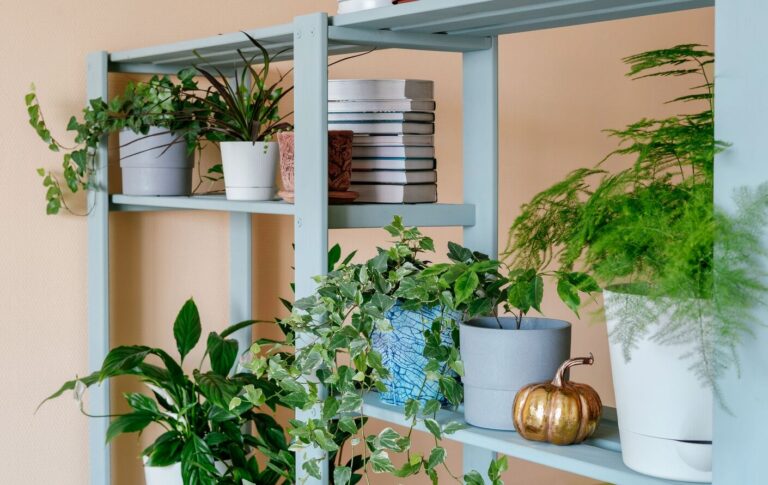
Wall shelves make good homes for trailing vines. Taller plants can fill an empty corner beside the desk. Hanging pots work well when floor and surface space are limited.
Keep frequently used materials within easy reach. Reaching around leaves whenever you need a pen will become annoying quickly.
Protect Electronics and Furniture
Water and laptops do not belong close together. Place pots far enough from chargers, power strips, keyboards, and external drives.
Drainage matters as much as watering. A decorative pot without a hole can trap moisture around the roots. It may also leak if the inner container overflows.
A simple setup process reduces the risk of spills:
Measure the available area before buying a pot.
Choose a stable container with proper drainage.
Place a waterproof saucer underneath the plant.
Keep the pot away from cables and electronics.
Water it over a sink whenever possible.
After arranging the area, sit down and complete a normal study task. This test shows whether the plant blocks light, movement, or useful desk space.
Using Plant Care as Part of a Study Routine
Caring for houseplants can also become a natural part of the rhythm of studying. Simple plant-care tasks provide a reason to briefly step away from the screen or books, while still keeping the break short and purposeful.
Turn Small Care Tasks into a Reset
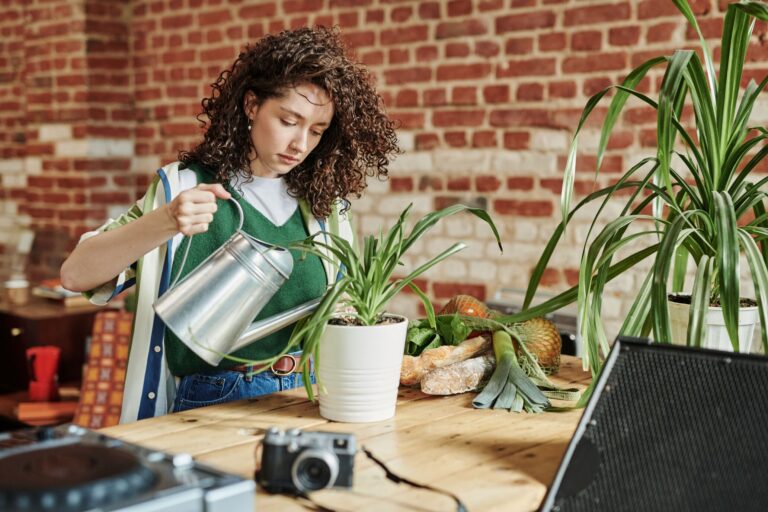
Plant care can create a useful pause between assignments. Checking the soil, removing a dry leaf, or rotating a pot takes only a few minutes.
These actions give the mind a break without leading into a long distraction. They can also provide a clear transition between two subjects.
Someone might finish a statistics problem set, check the plant, refill a water bottle, and then begin reading. The routine feels natural and easy to repeat.
Avoid Following a Rigid Watering Schedule
Many beginning indoor gardeners water houseplants every Sunday because regularity sounds responsible. However, soil does not dry at the same speed each week.
Room temperature, sunlight, pot size, and season all affect moisture levels. Check the top 1-inch layer of soil before adding more water. If it still feels damp, wait.
Overwatering causes more trouble than brief dryness for many common varieties. Yellowing leaves, soft stems, or a persistent musty smell may signal excess moisture.
Making the Study Corner Feel Personal
Houseplants are also an easy way to bring personality into a student room, especially when decorating options may be limited. The plants you choose and how you display them can make a study corner feel more individual and connected to the rest of the space.
Choose Containers That Suit the Room
Plant pots can connect greenery with the rest of the decor. Terracotta suits warm, natural interiors, while simple white containers fit minimalist desks.
Students do not need designer planters. A clean second-hand pot or reused container can work well when it has safe drainage. Matching saucers make the arrangement look intentional.
Try repeating one material or shape across the room. That small detail creates consistency without making the space look overly styled.
Combine Plants with Practical Study Features
Greenery works best as one part of a functional setup. Good lighting, a supportive chair, and accessible storage still matter more than decoration.
Place a desk lamp where leaves will not block its beam. Keep the main writing area open and leave enough room for books or a laptop stand.
A corkboard, calendar, or small shelf can sit nearby without overwhelming the wall. The goal is balance, not a picture-perfect room.
Common Plant Mistakes in Student Housing
Buying a plant based only on appearance is a common mistake. A tropical variety may look impressive in a shop but struggle beside a cold dorm window.
Another problem is choosing a pot that is too large. Extra soil holds moisture longer, which can increase the risk of root damage.
Students also move plants constantly while changing the room layout. Most varieties adjust better when their light conditions stay reasonably stable.
Holiday breaks require planning. Before leaving, move pots away from heaters and direct afternoon sun. Ask a trusted roommate to check them during longer absences.
Greenery Becomes a Part of Everyday Student Life
Indoor plants can improve a student study space without requiring a major redesign. They help define a work zone, soften screen-heavy surroundings, and add character to small rooms.
The best results come from choosing a suitable variety and giving it a practical location. Light, drainage, mature size, and pet safety should guide every decision.
Start with one low-maintenance plant and learn its routine. Over time, that small piece of greenery can become a familiar part of everyday student life.
Julie Bawden-Davis is a best-selling garden author, blogger, YouTuber and Master Gardener dedicated to sharing indoor gardening expertise with aspiring gardeners. She has published several gardening books and more than 5,000 articles in major publications. A former garden columnist for the LA Times, San Francisco Chronicle and Parade.com, she is founder of HealthyHouseplants.com and its YouTube channel.
 Julie Bawden-DavisAugust 14, 2026