Well Water for Houseplants
 Healthy HouseplantsAugust 1, 2025


If you’re using tap water to water your houseplants and experiencing brown leaf tips and poor growth, that could be caused by chlorine, chloramine and fluoride common in regular tap water.
While many indoor gardeners solve the problem by providing their houseplants with distilled, reverse osmosis, bottled or rainwater, these options can be problematic. This is especially the case if you have a large collection of houseplants. Distilled and bottled water gets expensive, and you can’t predict your rainwater supply.
Reverse osmosis water is the better of these solutions, but most nutrients are withdrawn during the filtering process, which means you need to ensure your houseplants don’t become nutrient-deficient.
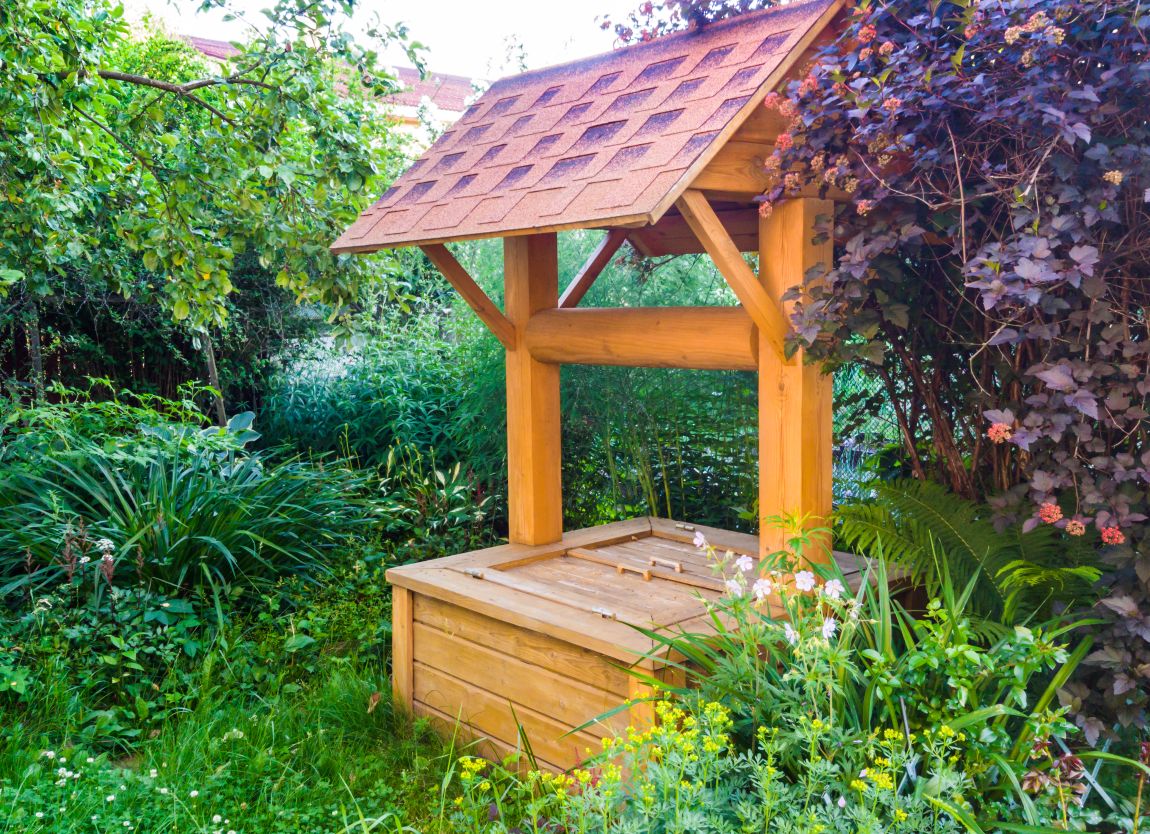
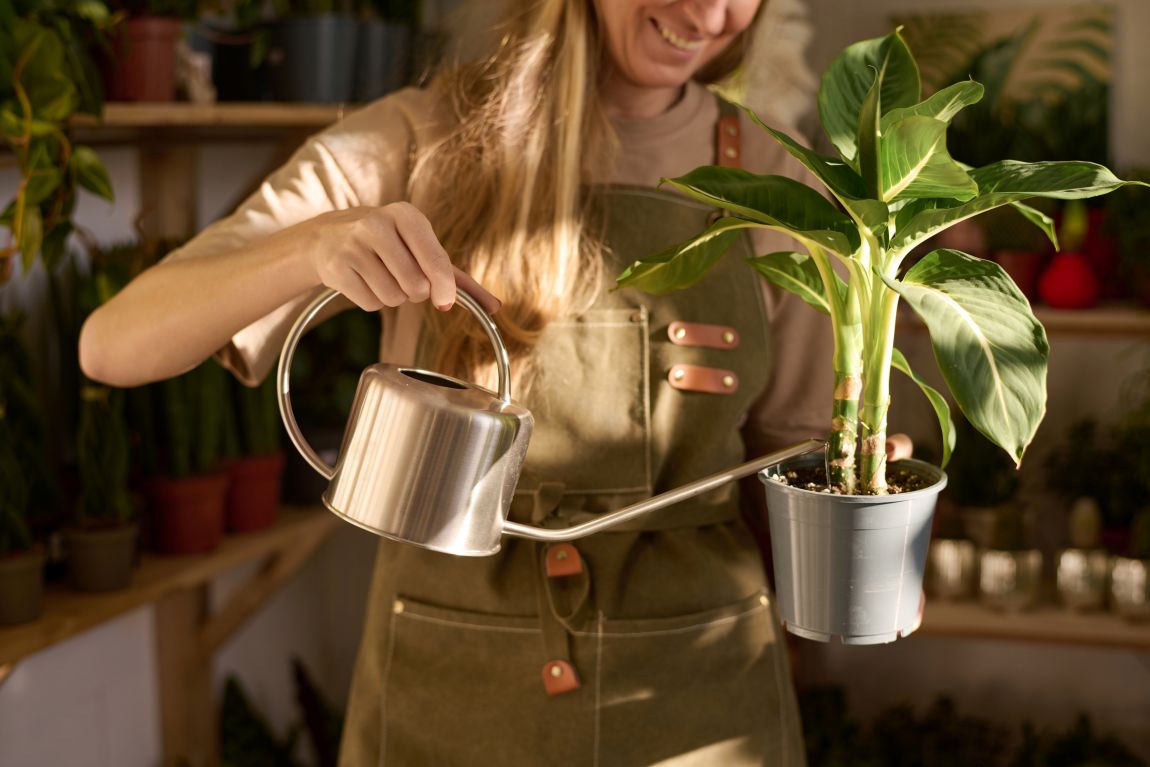
One way to ensure your indoor plants don’t have to contend with chemicals like fluoride and still get needed minerals, is to use well water for houseplants.
Installing a water well in your garden can be a game-changer, offering independence from municipal water, reduced utility bills, and a sustainable water source for irrigation and household use.
But owning a private well also comes with its share of responsibilities. From routine testing and maintenance to understanding water rights and local regulations, it’s vital to stay informed to ensure water safety and system efficiency.
Whether you’re new to well ownership or looking to optimize an existing setup, this guide walks you through the essentials of having a water well right in your backyard.
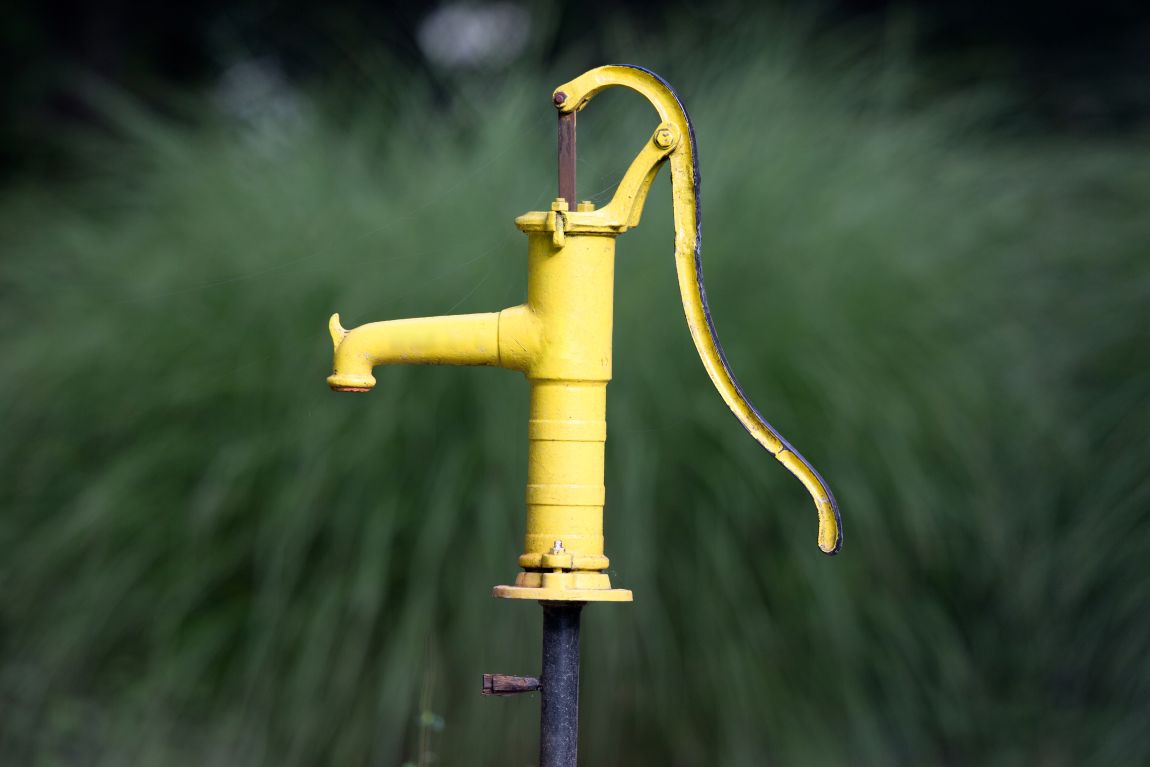
A water well is more than just a hole in the ground; it’s a carefully engineered system designed to access groundwater stored in aquifers. The basic setup includes a casing, a well screen, a pump, and piping to bring water into your home or garden.
Some systems include pressure tanks and filters, depending on the intended use. Understanding how these components work together helps in identifying problems early, scheduling appropriate maintenance, and maximizing the system’s lifespan. Even minor mechanical issues, if ignored, can lead to contamination or water shortages.
Routine inspections and water testing are crucial to ensuring your well provides clean, safe water. Contaminants such as bacteria, nitrates, or heavy metals can seep in through damaged casings or surface runoff, making annual or biannual water quality testing a must. Such contaminants can wreak havoc on your houseplants.
As explained by the team at Cactus Water Well Services, timely well maintenance prevents long-term issues and extends the functionality of your water system. Simple habits like keeping hazardous materials away from the wellhead and checking for signs of rust or leaks can go a long way in safeguarding your water supply.
Before using your water well for drinking, irrigation, or livestock, it’s important to understand your local and state regulations. Some regions require permits or registration for private wells, while others may limit the volume of groundwater extraction during droughts.
Environmental considerations, such as proper well placement away from septic systems or flood-prone areas, play a vital role in long-term sustainability. Consulting local water authorities or a certified well contractor ensures compliance and protects the surrounding ecosystem from unintended damage or contamination.
If you’ve noticed a drop in water pressure, it might not just be annoying; it could signal underlying problems in your water well system. Low pressure can result from a range of issues, including a clogged or failing pump, buildup of sediment, pipe leaks, or even a declining water table. Pressure switches and tanks play a crucial role in maintaining a consistent flow.
For households with increased water demand, the system may be struggling to keep up. Seasonal changes can also affect groundwater levels, particularly in dry regions, contributing to fluctuations. It’s important to diagnose the problem early before it escalates into a complete system failure. A professional inspection can determine whether you need a simple component replacement or a full-system upgrade. Regularly monitoring pressure levels and flow rate can help you spot issues early and maintain consistent performance across all fixtures in your home.
Surface contamination is one of the biggest risks for private water wells, particularly in residential gardens where fertilizers, pesticides, or pet waste are common. When heavy rains occur, these surface pollutants can seep into the ground and find their way into your well through improperly sealed casings, faulty caps, or cracks in the concrete pad.
Creating a safe buffer zone around your well, free of chemicals and waste, is crucial. Ensuring your wellhead is located at least a foot above the ground and has proper drainage around it can prevent pooling water. Inspecting the sanitary seal and checking for structural damage should be part of your seasonal maintenance. Taking these proactive steps helps prevent health risks and ensures your water remains safe for cooking, drinking, and gardening.
The depth of your well plays a major role in the quality and quantity of water it provides. Shallow wells, typically under 50 feet, are more susceptible to contamination from surface runoff, septic systems, or agricultural chemicals. While they may be easier and less expensive to drill, they often require more frequent testing and maintenance.
Deeper wells, extending several hundred feet, generally draw from more protected aquifers and are less likely to be affected by seasonal changes or human activity. Deeper wells can cost more to install and may require stronger pumps and higher energy usage. The geological composition of your area influences depth and water availability. Understanding your well’s depth helps you determine what kind of filtration system might be necessary and how vulnerable your water source is to external pollutants. It informs pump selection, emergency planning, and water usage habits in your home.
If your well water smells off, like rotten eggs, musty soil, or even bleach, it’s likely a sign of specific contaminants. A sulfur or rotten egg odor is typically caused by hydrogen sulfide gas, often due to anaerobic bacteria in the water or corroding pipes. Musty or earthy smells may indicate algae or organic matter, particularly in shallow wells or those affected by surface water intrusion. A chlorine-like scent, on the other hand, may point to over-treatment or lingering disinfectant from a recent maintenance procedure.
It’s crucial not to ignore these odors, as they can point to both nuisance issues and serious health risks. Testing is the only reliable way to determine the root cause. Once identified, treatment systems such as activated carbon filters, oxidizing filters, or shock chlorination can help. Recognizing the scent early and acting quickly ensures your water remains safe, clean, and pleasant for everyday use.
Discoloration in well water, whether brown, orange, or cloudy, can be alarming but is often treatable. Brown or orange water usually points to iron or manganese, minerals naturally present in groundwater that can stain laundry and fixtures and in high amounts can harm houseplants.
Cloudy water, or turbidity, may indicate silt, sediment, or microbial contamination, particularly after heavy rainfall or flooding. If the discoloration appears suddenly, it could signal a shift in the water table, pump issues, or a broken pipe. A water test will help determine the exact contaminant and whether it poses a health risk or just an aesthetic nuisance. In many cases, installing a sediment filter, an iron filter, or a water softener can significantly improve clarity. In more complex situations, you may need to address the problem at the source by upgrading components, sealing the well better, or treating the aquifer. Prompt action ensures water quality is restored, and your system stays in top condition. Keep in mind if you do install a water softener, you can’t use the well water for houseplants.
Annual water testing is one of the most important things you can do to protect your health and maintain a reliable supply of well water for houseplants. While the water might look and taste fine, contaminants like coliform bacteria, nitrates, lead, arsenic, and pesticides can be present in levels dangerous to humans, especially children and pregnant women. A yearly test should include microbiological, chemical, and physical assessments. These will help you identify both natural contaminants and human-caused pollutants.
If you live near agricultural areas, septic systems, or industrial activity, you may need to test more frequently. Even newer wells or those with sealed casings can experience contamination due to changes in groundwater flow or construction nearby. Testing kits are available for home use, but professional labs offer more comprehensive and reliable results. Keeping records of each year’s test results helps track any changes and supports proper long-term system maintenance.
Freezing temperatures can wreak havoc on your well system if it’s not properly winterized. Frozen pipes, cracked pressure tanks, and damaged pumps are just a few of the issues you might face. To prevent this, begin by insulating all exposed pipes and the well casing with foam covers or heat tape. If you have a well house or pump room, ensure it’s properly sealed and heated when temperatures dip below freezing. Drain any outdoor water lines or garden spigots to prevent cracking.
If your well is shallow or above ground, consider installing a frost-proof casing or upgrading to a deeper, insulated wellhead. Make sure your pressure switch and tank are protected as well. Don’t forget to test your backup power supply, especially if you live in an area prone to winter storms. Preparing in advance can save hundreds, or even thousands, of dollars in emergency repairs and downtime.
The landscape around your wellhead plays a larger role than most homeowners realize. If the ground slopes toward your well, rainwater can pool around it and potentially seep into the well casing, carrying surface contaminants like fertilizers, oils, or bacteria. Proper grading ensures that water flows away from the well rather than collecting near it. Ideally, the ground should slope at least six inches within the first ten feet away from the well casing.
Make sure there are no depressions, animal burrows, or dense vegetation directly surrounding the wellhead. These can allow insects, debris, and root systems to invade or compromise the casing. A clean, well-graded area around the wellhead supports water quality and makes maintenance easier and more effective. Periodic checks and adjustments to the landscape can prevent long-term damage and contamination risks to your private water supply.
Owning a water well in your garden offers a valuable and sustainable water source, and it comes with responsibilities that should not be overlooked. From understanding your well’s construction and depth to recognizing signs of contamination or equipment failure, proactive maintenance is key to preserving water quality and system longevity.
Regular inspections, annual testing, and seasonal preparation can prevent costly breakdowns and health hazards. Equally important is knowing when to call in professionals for repairs, cleaning, or upgrades, particularly when dealing with complex components like pressure tanks, pumps, or electrical connections. Addressing issues early ensures the long-term reliability of your well. A well-maintained system supports daily water needs and enhances the value and sustainability of your property. With the right care and attention, your well can continue to serve your home and your houseplants effectively for decades.