Indoor watering systems can take a lot of guesswork out of houseplant care. They’re especially helpful if you travel often, keep a busy schedule, or have more plants than you can easily check every few days. A good setup helps the soil stay evenly moist, so you’re less likely to forget a plant and then make up for it by giving it too much water at once.
Still, any watering aid needs a little judgment. When a system gives a plant more water than its roots, pot, or growing space can handle, problems show up quickly. Soggy soil, full saucers, damp shelving, and trapped humidity can turn a useful tool into a moisture issue. The best indoor watering system keeps roots healthy while keeping the surrounding area dry, clean, and easy to manage.
Start With Simple Indoor Watering Systems
The most useful watering setup is often the simplest one that solves the problem. For many houseplants, that might be a self-watering pot, a wick system, a watering globe, or a capillary mat. These options can help even out moisture levels, especially for plants that don’t like drying out completely between waterings.
Start small before moving into anything more involved. Basic tools can be effective, but the goal is to create better water systems for indoor plants that keep roots hydrated without leaving pots, shelves, or floors damp.
A little restraint goes a long way. A watering system should make plant care easier, not keep the pot constantly wet. Try it on one or two plants first, see how the soil responds, and make adjustments before using the same method across your whole collection.
Match the System to Each Plant’s Moisture Needs
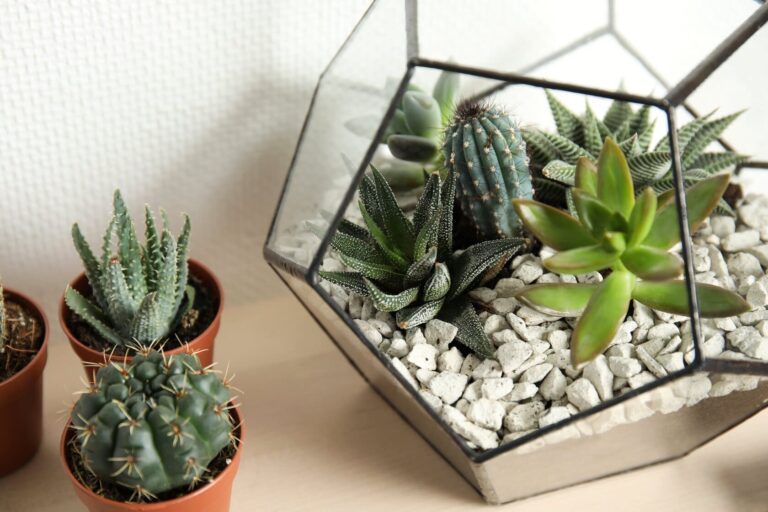
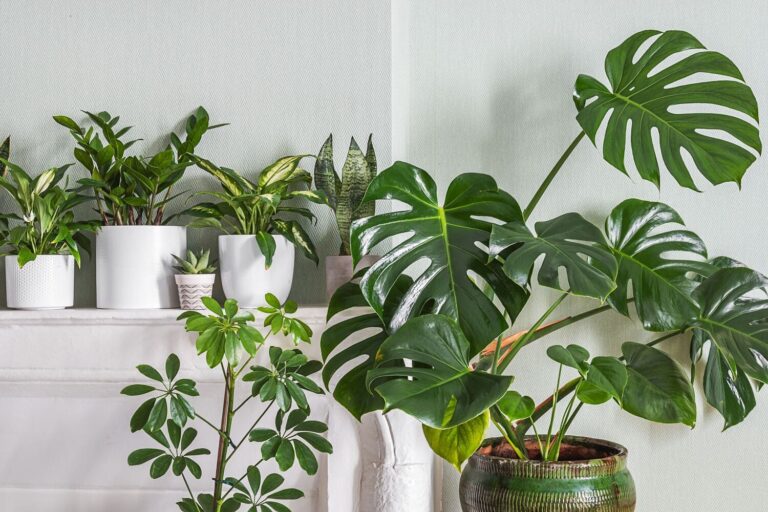
A watering system should suit the plant, not force every plant into the same routine. Peace lilies, calatheas, and ferns often appreciate steady moisture. Succulents, cacti, snake plants, and ZZ plants need more time to dry between waterings. One setup can keep one plant happy while slowly stressing another.
Pot size and soil mix make a big difference as well. A small pot in a bright, warm room may dry out fast. A large plastic pot in lower light can stay damp for days. Heavy soil holds water longer than a loose, airy mix, so the same wick system or self-watering container can behave very differently depending on the plant and pot.
Before depending on any automatic or semi-automatic method, check the soil through a few watering cycles. Healthy new growth, firm leaves, and soil that dries steadily are good signs. Sour-smelling soil, fungus gnats, yellowing leaves, or a pot that stays wet for days usually indicate the setup needs adjustment.
Drainage Matters as Much as Water Delivery
A watering system only works well when extra water has somewhere to go. If water collects at the bottom of the pot, roots can sit in soggy soil long after the surface looks dry. That damp, airless condition can lead to root rot, fungus gnats, and weak growth.
Check each pot before adding a reservoir, wick, or drip line. Drainage holes should be clear, saucers should be emptied regularly, and decorative cachepots should not hide standing water. If you use trays beneath a plant shelf, choose ones that are easy to remove and clean, so overflow doesn’t sit under the pots.
The area around the plant deserves attention, too. Waterproof mats, sturdy trays, and raised pot feet can help protect shelves, floors, and windowsills. Aim for steady moisture in the root zone, not damp surfaces around the plant.
When Indoor Watering Systems Connect to Household Plumbing
Most indoor watering tools are easy to manage by hand. More involved setups ask more from the home around them. Once an indoor garden uses faucet adapters, drip tubing, shutoff valves, or a built-in water source, plant care overlaps with drainage, leak prevention, water pressure, and moisture control. The setup still needs to hydrate the plants while also protecting nearby flooring, shelves, cabinets, walls, and outlets.
Regional conditions can change how forgiving that setup is. In Arizona, dry indoor air can quickly pull moisture from potting mix, so a watering system might help prevent drought stress. In the Pacific Northwest, cooler rooms and slower evaporation can make damp trays or wet shelving more of a concern. In New England or the Upper Midwest, winter heating can quickly dry plants, while warmer months may make enclosed plant rooms feel more humid.
Florida brings those moisture concerns into sharper focus because warm, humid conditions can make small leaks, poor drainage, and hidden damp spots harder to ignore. For professionals working with residential water systems in that kind of environment, Florida plumbing continuing education is part of keeping practical knowledge current around moisture control, leak prevention, and water-connected features that can affect indoor living spaces.
For houseplant owners, the lesson is simple: keep connected watering systems visible, easy to shut off, and simple to inspect. A small convenience should never become a hidden moisture problem.
Keep Leaks, Mineral Buildup, and Algae from Becoming Plant Problems
Even a basic indoor watering setup needs regular checking. Look under trays, inside cachepots, around tubing, and along shelves for slow drips or damp spots. Small leaks are easy to miss behind plants or under a crowded shelf, but they can keep surfaces wet long after the soil looks fine.
Mineral buildup is another clue that water is sitting or evaporating in the same place repeatedly. White crust on trays, cloudy tubing, or residue around emitters can affect how evenly water moves through the system. Clean these areas before the buildup blocks the flow or leaves some plants wetter than others.
Algae can appear when moisture, light, and still water meet. It may show up on damp trays, reservoir openings, or soil that stays wet for too long. Check trays, tubing, shelves, and nearby walls often, since the same habits that protect plants also support better moisture control at home.
A watering system should stay visible, clean, and easy to adjust. If you can’t inspect it without moving half the room, it’s too hidden for indoor use.
Indoor plant watering systems work best when they keep indoor garden care more consistent without making the home too damp. Choose a setup that fits each houseplant’s needs, drains cleanly, and stays easy to inspect. Done well, it should keep roots healthy, surfaces dry, and indoor gardening simple rather than risky.
Julie Bawden-Davis is a best-selling garden author, blogger, YouTuber and Master Gardener dedicated to sharing indoor gardening expertise with aspiring gardeners. She has published several gardening books and more than 5,000 articles in major publications. A former garden columnist for the LA Times, San Francisco Chronicle and Parade.com, she is founder of HealthyHouseplants.com and its YouTube channel.
 Julie Bawden-DavisMay 23, 2026