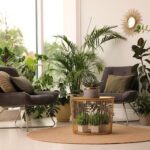
Indoor plants have become far more than decorative accessories in modern homes. For many people, houseplants are now part of a broader lifestyle focused on wellness, comfort, cleaner indoor environments, and stronger connections to nature. From tropical greenery and herbs to rare collector plants and indoor gardens, homeowners are investing more time and attention into creating healthy indoor ecosystems.
Yet many plant owners focus almost entirely on watering schedules, sunlight exposure, fertilizers, and potting mixes while overlooking one major factor that can dramatically affect indoor plant health. That is the condition of the home itself.
Temperature stability, humidity balance, airflow, insulation quality, moisture control, and roof ventilation all influence how indoor environments function. In many cases, hidden home ventilation or roofing issues can create indoor conditions that make plant care far more difficult than homeowners realize.
Indoor Plants React Quickly to Environmental Imbalance
Most indoor plants are highly sensitive to changes in their surrounding environment. Excess humidity, trapped heat, inconsistent airflow, condensation, poor insulation, or hidden moisture buildup can all affect plant growth patterns over time. Some plants develop yellowing leaves, root problems, fungal issues, weak growth, or brown edges. This occurs not because of watering mistakes, but because the indoor environment itself is unstable.
Homes with poor ventilation often struggle to regulate humidity properly, particularly during periods of intense heat, heavy rainfall, or seasonal temperature fluctuations. Moisture can gradually accumulate in attics, ceilings, walls, and indoor air systems without immediately becoming obvious to homeowners.
Indoor plants often respond to these changes early because they are constantly interacting with the surrounding air conditions. This is one reason many experienced plant owners now pay closer attention to broader home maintenance factors rather than focusing only on plant-specific care routines.
Roofing and Ventilation Directly Affect Indoor Growing Conditions
Roofing systems play a surprisingly important role in indoor environmental stability. A roof does much more than protect against rain. Proper roofing design and attic ventilation help regulate heat buildup, airflow circulation, insulation efficiency, and moisture control throughout the home. When ventilation systems underperform, indoor humidity levels can fluctuate more dramatically, especially in warmer climates.
Poor attic ventilation may also trap excess heat inside the structure, placing additional strain on cooling systems while affecting indoor temperature consistency. Over time, this can influence both homeowner comfort and plant health.
Homeowners researching moisture management, attic airflow, ventilation upgrades, and long-term indoor protection explore companies such as Altair Austin Roofing Company when evaluating ways to improve roofing performance and create more stable indoor living conditions overall. The broader trend reflects how exterior home systems increasingly influence interior wellness environments in ways many people previously overlooked.
Moisture Problems Often Develop Gradually
One challenge with hidden moisture issues is that they frequently develop slowly. A home may appear perfectly normal while humidity imbalance gradually affects indoor conditions behind the scenes. Condensation, restricted airflow, small roof leaks, inadequate insulation, or aging ventilation systems can slowly alter indoor air quality over time.
Indoor plants sometimes reveal these problems before major structural symptoms appear. Persistent mold on soil surfaces, repeated fungal issues, unexplained plant decline, or constantly damp indoor air can occasionally signal broader environmental imbalances inside the home itself. While these symptoms do not always indicate roofing problems, they can reflect ventilation conditions worth investigating more carefully.
As awareness surrounding indoor environmental quality continues growing, more homeowners are recognizing the relationship between home maintenance and plant health.
Indoor Wellness Has Become a Larger Lifestyle Trend
The popularity of indoor plants has expanded alongside broader interest in wellness-focused living environments. Many homeowners today want homes that feel healthier, calmer, cleaner, and more connected to natural elements. Indoor greenery has become central to that movement because plants are often associated with relaxation, aesthetics, and improved indoor atmosphere.
At the same time, homeowners are increasingly paying attention to air circulation, humidity regulation, natural lighting, insulation performance, and energy efficiency as part of creating healthier indoor spaces overall. This larger shift has encouraged more holistic thinking about how homes actually function on a daily basis.
Instead of treating roofing, ventilation, HVAC systems, insulation, and interior comfort as separate categories, many homeowners now understand that all these systems continuously affect one another. That whole house view is also how the building trade approaches a home that is being designed or upgraded to use less energy. Firms such as Whitecode sustainable building consultants assess insulation, ventilation and moisture together, because improving one on its own can unbalance the others. For plant owners the payoff is a steadier indoor climate, which is exactly what most tropical houseplants want.
Humidity Balance Is Essential for Plant Health
Humidity control is especially important for many indoor plants. Tropical species, ferns, calatheas, philodendrons, monsteras, and many other popular houseplants depend heavily on stable humidity conditions. Excessively dry air may cause browning edges and weak growth, while overly damp environments can increase the likelihood of fungal issues, root problems, and pest activity. Because of this, indoor environmental consistency matters just as much as watering routines in many cases.
Homes with balanced ventilation and proper airflow often maintain more stable humidity conditions naturally throughout changing seasons. Better insulation and roofing performance may also help reduce dramatic indoor temperature swings that place stress on sensitive plants. For homeowners building larger indoor plant collections, environmental stability often becomes increasingly important over time.
Proper Ventilation Plays a Bigger Role in Indoor Comfort Than Many Homeowners Realize
According to the Environmental Protection Agency, indoor moisture control and proper airflow are important factors in maintaining healthier indoor environments and reducing the likelihood of mold growth, condensation issues, and long-term structural damage inside residential properties.
The agency has also highlighted how poor ventilation and trapped humidity can gradually affect indoor air quality and overall home performance over time. These recommendations closely align with the growing homeowner focus on creating more balanced indoor environments that support comfort, energy efficiency, and long-term home health.
Modern Homes Are Becoming More Environmentally Aware
Another noticeable trend involves how homeowners now approach indoor spaces more intentionally. People are becoming increasingly aware that environmental quality affects comfort, sleep, productivity, wellness, and even hobbies such as indoor gardening. Homes are no longer viewed only as shelters or aesthetic spaces. They are increasingly treated as environments that actively influence daily wellbeing. This mindset has expanded interest in sustainable design, improved ventilation, healthier materials, energy efficiency, and balanced indoor ecosystems.
Indoor plants fit naturally into that movement because they encourage homeowners to pay closer attention to light exposure, airflow, humidity, and environmental consistency throughout the home.
Healthy Homes Support Healthy Houseplants
Perhaps the most important realization for many plant owners is that thriving indoor plants often reflect a well-functioning indoor environment overall. Good lighting, proper watering, and quality soil remain essential, but stable airflow, moisture control, insulation performance, and ventilation quality also play major roles in long-term plant success.
As indoor gardening continues growing in popularity, homeowners will likely keep paying closer attention to the relationship between home maintenance and indoor environmental quality.
For many people today, creating a healthy home no longer involves only furniture, décor, or organization. It increasingly means building a stable indoor environment where both people and plants can thrive comfortably over the long term.
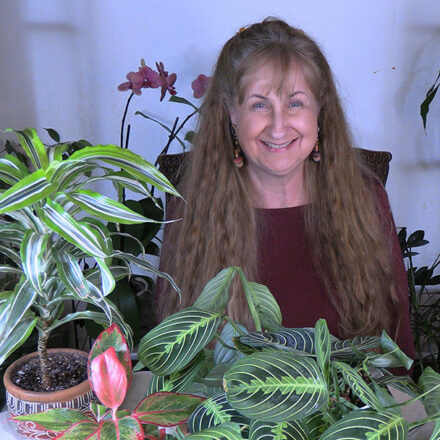
Julie Bawden-Davis is a best-selling garden author, blogger, YouTuber and Master Gardener dedicated to sharing indoor gardening expertise with aspiring gardeners. She has published several gardening books and more than 5,000 articles in major publications. A former garden columnist for the LA Times, San Francisco Chronicle and Parade.com, she is founder of HealthyHouseplants.com and its YouTube channel.
 Julie Bawden-DavisMay 20, 2026