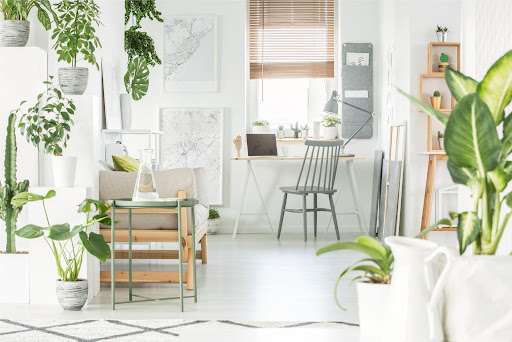
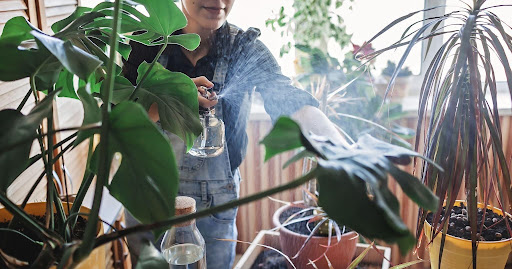
Before spending money on another houseplant, invest in understanding your home’s micro-climates. It’s likely no room will have perfectly uniform conditions of light and air circulation. By developing some knowledge about reading these tiny ecologies, you will make much better choices in indoor plants.
Identifying microclimates means trying to get a sense of where the brightest spots in the room will be throughout the day, how the heating vents will affect humidity, and how the cold air leaking in through your bedroom windows will make the room cold. Houseplants, which tend to be tropical in origin, aren’t happy in drafty, cold areas of the home.
What Is a Home Microclimate, Anyway?
A microclimate is a small area with unique environmental conditions that differs from the surrounding climate. For example, a portion of your indoor garden may dry out faster than other areas of the home.
These four key factors influence the different microclimates around the home.
Light intensity and duration. This refers to how much sun a space receives and for how long.
Temperature fluctuations. Areas near heating vents tend to be warm and areas near windows or exterior walls are cooler.
Underlying humidity levels. These levels determine whether you need to add humidification or remove moisture. Areas like kitchens and bathrooms will generally have higher humidity than a study, and centrally heated rooms can be drier than you think.
Any heating or air conditioning. This refers tospace heaters, fan heaters, central air conditioning or heating
Start With Light: Your Most Important Variable
Light is the single most important factor affecting the chances of a houseplant’s success or failure, and yet it is often the most overlooked. Most people have a rough sense of the amount of light their rooms receive but rarely realize the larger patterns of light and darkness that operate across the house.
Determine lighting in your home by noting your window orientations.
Windows facing south receive most of their daylight in a direct form and are suitable for sun-loving plants like cacti and succulents, as well as herbs.
East-facing windows receive gentle, warm morning light perfect for a number of plants, including ferns, peace lilies, and pothos.
South-facing windows are probably your best bet for most flowering houseplants.
North-facing windowsreceive indirect, low to medium light year-round, and are therefore well-suited for houseplants requiring these conditions, including African violets and ZZ plants.
You might think the only place you encounter light is near your windowsills. Actually, photosynthetic active radiation (PAR) decreases rapidly as distance from the window increases. This means a plant placed three feet from a south-facing window receives only 1/4 of the light a plant placed right on the sill receives. Research from the University of Missouri Extension suggests studying the amount of light in a room at different times of day to see where the sun will actually shine.
Mapping Temperature Zones
When determining your indoor microclimates, it’s important to consider the influence of your heating and cooling system. A spot right above a floor vent in the winter might seem snuggly and appealing, but most houseplants hate that spot. They dry out in a matter of days in that kind of heat.
Take a walk through your home and note:
Where the vacuum outlet is located.
Cold air leaks through openings around exterior doors, single-paned old windows or areas of the walls where insulation is inadequate.
Warm zones (e.g., near radiators, fireplaces, electronic components that are always in use) and Cold zones (e.g., attics, basements, crawlspaces, outside of walls)
Rooms that stay noticeably cooler in winter (often north-facing rooms or those above garages)
Don’t Forget Humidity
Humidity is something that a lot of plant parents don’t think about until it’s too late. Some plants, like tropicals, epiphytes, and many ferns, require high humidity to do well, while others like most cacti and succulents thrive in dry conditions.
There is some debate as to the ideal humidity for human health, but the Environmental Protection Agency suggests that ideal indoor humidity is between 30-50%. In many modern homes, due to heating in the winter months, indoor humidity can drop quite low. This is also a key consideration for property managers preparing spaces for new occupants. Companies like this LA area rental manager are ahead of the curve and approach this by thoroughly assessing indoor conditions, including humidity levels, before a rental goes to market.
Most people would never dream of putting their indoor plants in the bathroom or kitchen, but keep in mind these rooms are good at providing moisture-loving plants with the atmosphere they thrive in.
Meanwhile the living room is likely to be so dry it feels like the desert to houseplants, especially if it’s equipped with radiators or underfloor heating. Determine what the exact humidity in your home is, which can easily be done with an inexpensive hygrometer.
How to Create a Simple Microclimate Map
You don’t need to splurge on expensive software to create your own map. All you need to make one is a simple hand-drawn floor plan of your home as you walk through it. Start by marking these areas on your plan.
Window locations and their compass orientation
Vent and radiator positions
Known drafty areas
Rooms or corners that feel noticeably warmer or cooler
Areas with persistent dampness, water leaks, flood damage, structural decay, rising damp, efflorescence salt deposits or similar areas.
Choose houseplants that don’t require you to alter your space or move to accommodate it. Check out the plant’s needs prior to purchase.
Match the Plant to the Place
Most indoor gardeners choose a great houseplant first, then search around the house for a spot to display it. Instead, look for the various zones and nooks in your home first, then choose a plant that fits those particular locations.
Many niches exist in most homes that are suitable for indoor growing. That warm south-facing window is perfect for cacti and succulents, and cool, shady areas like basements or north-facing rooms are ideal for plants that prefer low light, like pothos or heartleaf philodendron. By working with your home’s conditions instead of fighting them, you can have beautiful, thriving houseplants.
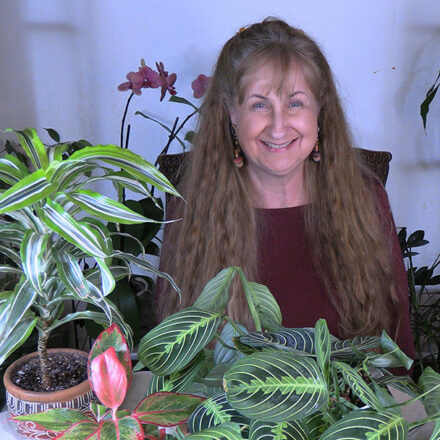
Julie Bawden-Davis is a best-selling garden author, blogger, YouTuber and Master Gardener dedicated to sharing indoor gardening expertise with aspiring gardeners. She has published several gardening books and more than 5,000 articles in major publications. A former garden columnist for the LA Times, San Francisco Chronicle and Parade.com, she is founder of HealthyHouseplants.com and its YouTube channel.
 Julie Bawden-DavisMay 6, 2026