About Shingle Plant

Shingle Plant Introduction

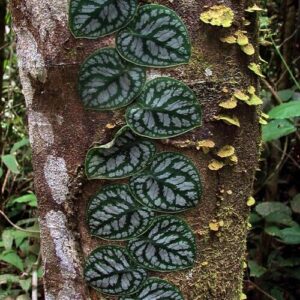
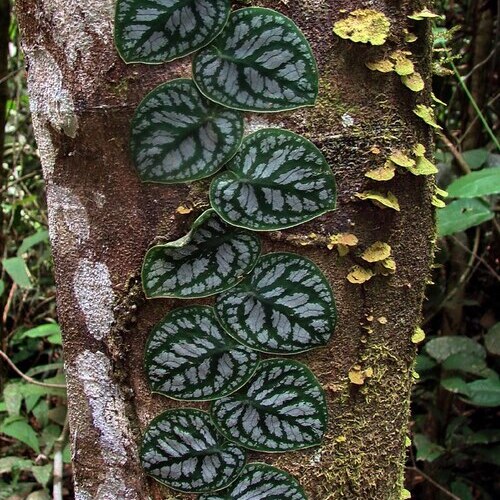
Monstera dubia is a climbing evergreen aroid native to the tropical rainforests of Central and South America, including regions of Mexico, Belize, Guatemala, Costa Rica, Panama, Colombia, Ecuador, Peru, and Brazil. Like its better-known relative Monstera deliciosa, it belongs to the Araceae family, but it has a growth habit unlike almost any other houseplant on the market. In its juvenile form, the plant presses itself flat against a host tree trunk, producing small, asymmetrical, dark green leaves with silvery variegation that overlap like roof shingles, which is where its common name originates. This shingling behavior, known botanically as skototropism, allows the seedling to grow toward the darkest area it perceives, which in a rainforest usually indicates the shadow of a large tree trunk it can climb.

As the vine matures and climbs higher into the canopy in search of brighter, more diffuse light, its growth changes dramatically. Leaves become larger, more symmetrical, and eventually begin to fenestrate, developing the characteristic holes and splits associated with the genus Monstera. Mature plants growing in the wild can produce leaves well over a foot long, a striking contrast to the coin-sized juvenile foliage most collectors are familiar with. This dramatic difference between juvenile and adult foliage is called heteroblasty, and it is one of the most fascinating aspects of this species’ natural history.

In cultivation, Monstera dubia is typically grown in its juvenile shingling stage, trained onto a moss pole, cork slab, or wooden totem to encourage the flattened growth pattern collectors prize. It rarely flowers indoors and is grown almost exclusively for its ornamental foliage. Because of its slow growth rate and specific humidity and support requirements, it is considered a more specialized houseplant, popular among aroid collectors rather than as a mainstream, big-box retail plant.

Shingle Plant Care & Growing Guide

Caring for Monstera dubia successfully starts with recreating the conditions of its native rainforest understory and lower canopy: warm temperatures, high humidity, bright but indirect light, and something vertical to climb. Because this species naturally grows flat against tree bark before ascending into the canopy, providing a rough, moisture-retentive climbing surface such as a cork bark slab, coco coir pole, or sphagnum moss pole is essential for encouraging the desirable shingling growth pattern. Without a climbing surface, the plant tends to grow more slowly and produce smaller, less attractive foliage.

Light and water are the two factors most collectors struggle with. Bright, indirect light is ideal; direct midday sun will scorch the thin leaves, while too little light slows growth and can cause the plant to revert to smaller leaves or stall entirely. Water should be applied when the top inch or two of the growing medium has dried out, using a well-draining, chunky aroid mix that never stays waterlogged, since Monstera dubia is highly susceptible to root rot in soggy conditions. Humidity above 60 percent is strongly recommended, and many growers keep this species in a greenhouse cabinet, terrarium, or humidity tent rather than in open room air.

Beyond the basics, consistent warmth (avoiding drafts and temperatures below 60°F/15°C), regular but light fertilization during the growing season, and periodic misting or wiping of the leaves to keep the foliage clean and pest-free will keep the plant thriving. Because it is a slower-growing, somewhat finicky aroid compared to more common houseplants, patience is key: new shingle leaves may take weeks to unfurl, and the plant may go through periods of dormancy, particularly in lower light or cooler months.

 Soil Soil

Monstera dubia needs a light, chunky, fast-draining aroid mix rather than standard potting soil. A good base combines regular potting soil or coco coir with generous amounts of orchid bark, perlite, and sphagnum moss in roughly equal parts, which mimics the loose, organic-rich, well-aerated substrate found on rainforest tree bark and forest floor debris where this hemiepiphyte naturally roots. A slightly acidic pH between about 5.5 and 6.5 is ideal, supporting nutrient availability without allowing salts to build up.

Good drainage is critical, since this species is prone to root rot if kept in dense, water-retentive soil. Adding horticultural charcoal can help keep the mix fresh and reduce the risk of fungal issues, while worm castings or a small amount of compost provide a gentle, slow-release nutrient boost. Because the plant is often mounted on a moss pole or cork slab rather than grown purely in a pot, the moss or coir surrounding the totem should be kept consistently moist but never soggy, as this is where the aerial roots actually attach and absorb moisture.

Common soil problems to watch for include poor drainage leading to root rot and yellowing leaves; compaction, which restricts oxygen to the roots and slows growth; inappropriate pH, which can lock out nutrients even when fertilizer is applied; salt buildup from tap water or over-fertilizing, visible as white crust on the soil surface; nutrient deficiencies, often showing as pale or stunted new growth; and root boundness, where a plant left too long in a small pot develops circling, congested roots that reduce overall vigor and signal it is time to repot into fresh, looser mix.

 Fertilizer Fertilizer

Monstera dubia benefits from a balanced, diluted liquid houseplant fertilizer (roughly a 3-1-2 or similar balanced NPK ratio) applied at half strength every 4 to 6 weeks during the active growing season in spring and summer. Because it is a relatively slow grower compared to other aroids, it does not need frequent, heavy feeding, and fertilizer should be withheld or reduced to once every couple of months in fall and winter when growth naturally slows.

Signs of over-fertilization include browned, crispy leaf tips and edges, a white crust of salts on the soil surface, and wilting despite adequate watering. Under-fertilization typically shows as pale, small new leaves, slow or stalled growth, and a general lack of vigor over successive growing seasons.

Organic alternatives such as worm castings, diluted seaweed or kelp extract, and compost tea can supplement or replace synthetic fertilizers and tend to be gentler on the sensitive root system. Like many aroids, Monstera dubia can be prone to magnesium or nitrogen deficiencies in nutrient-poor mixes, which show up as yellowing between leaf veins; occasional use of a fertilizer containing micronutrients can help prevent this.

 Watering Watering

Water Monstera dubia when the top inch or two of the growing medium (and the moss surrounding the totem) begins to dry out, then water thoroughly until it drains from the bottom of the pot. Room-temperature rainwater, distilled water, or filtered water is preferable to hard tap water, since this species can be sensitive to the chlorine, fluoride, and mineral salts that accumulate with regular tap water use over time.

Overwatering shows up as yellowing lower leaves, a mushy or blackened stem, and a sour smell from the soil, all signs of root rot setting in. Underwatering causes the thinner shingle leaves to wrinkle, curl, or feel crisp and dry, and the moss on the totem will feel bone dry to the touch. Because the plant absorbs a significant amount of moisture through aerial roots pressed against its climbing surface, keeping the totem itself consistently damp is just as important as watering the pot.

Watering frequency should be reduced during the cooler, lower-light months of fall and winter when growth slows, and increased during the active spring and summer growing season when the plant is putting out new shingle leaves and using more water.

Shingle Plant Watering Calculator

🪴 Precision Watering Intelligence

Science-Based Hydration for Your Collection

Stop guessing. Most houseplant failures are caused by volumetric errors and improper moisture tension. Our deterministic calculator moves beyond "once-a-week" watering by analyzing the four critical pillars of root health:

  • • Transpiration Coefficients: 120+ species mapped by metabolic rate.
  • • Substrate Porosity: Adjusts for Standard vs. Cactus/Well-Draining mixes.
  • • Geometric Volume (V = π r² h): Calculates exact cups based on pot surface area.
  • • The Drainage Factor: Accounts for pot material (Terracotta) and the risk of a perched water table.

Personalized for this plant

6"
🪴
--
approx. every --

Disclaimer: Our calculator is pretty smart. We’ve crunched the numbers, but we’re not measuring the quantum state of your living room. Since we don’t know your exact indoor temperature, humidity, light, airflow, or whether your plant receives daily sweet nothings and motivational speeches, use this calculator as a guide—and always keep an eye on your plant.

 Lighting Lighting

Bright, indirect light is ideal for Monstera dubia, replicating the dappled, filtered light it would receive climbing tree trunks beneath the rainforest canopy. An east-facing window, or a spot a few feet back from a south- or west-facing window with a sheer curtain, works well. Grow lights are also commonly used, especially in humidity cabinets or terrariums where natural light may be limited.

Insufficient light causes slow or stalled growth, smaller and more widely spaced shingle leaves, and a general lack of vigor; the plant may also fail to produce new leaves for extended periods. Excessive or direct sun, on the other hand, causes bleached, yellowed, or scorched patches on the thin leaves, particularly on foliage pressed flat against a totem where it cannot easily turn away from harsh light.

If natural light is inconsistent, supplementing with a full-spectrum LED grow light for 10 to 12 hours a day can stabilize growth, and rotating the totem periodically ensures even light exposure across all sides of the plant.

 Tempature Temperature

An ideal temperature range for Monstera dubia is 65 to 85°F (18 to 29°C), consistent with the warm, stable conditions of its tropical native range. It has little tolerance for cold and should never be exposed to temperatures below 60°F (15°C) for extended periods, as chilling can cause leaf damage, blackened tissue, and stunted growth.

The plant tolerates only moderate temperature fluctuations and does best away from cold drafts near doors and windows, as well as away from heating vents and air conditioning units that create dry, fluctuating microclimates. Sudden temperature swings can cause leaf drop or slowed growth even if the overall range stays within a generally acceptable window.

During cooler months or in drafty rooms, moving the plant to a warmer, more stable location, using a heat mat beneath the pot, or keeping it in an enclosed grow cabinet with supplemental heating can help protect it from cold stress and keep growth steady year-round.

 Humidity Humidity

Monstera dubia thrives in high humidity, ideally 60 to 80 percent, reflecting the consistently moist air of its native rainforest habitat. Average home humidity, typically 30 to 50 percent, is often too low for this species to grow vigorously long-term, which is why many collectors keep it in a greenhouse cabinet, enclosed terrarium, or humidity tent.

Low humidity stress shows up as crispy, browning leaf edges, slowed or stalled new growth, and shingle leaves that fail to fully press flat against the totem. Excessively high humidity combined with poor air circulation, on the other hand, can encourage fungal issues and bacterial leaf spotting, so ventilation matters just as much as moisture.

Pebble trays offer only a modest, localized humidity boost and are the least effective option for this species. Regular misting can help temporarily but does not sustain the levels this plant prefers and can encourage fungal spotting if leaves stay wet too long without airflow. A cool-mist humidifier placed near the plant, or housing it in an enclosed humidity cabinet with a small fan for air movement, is by far the most effective and reliable way to keep Monstera dubia consistently comfortable.

 ropagation Propagation

Monstera dubia is most commonly propagated through stem cuttings, since seed is rarely available and tissue culture is mainly used commercially. The most reliable method is a node cutting with at least one leaf and aerial root attached, rooted in sphagnum moss or a mix of moss and perlite kept consistently moist, ideally in a warm, humid propagation box or enclosed container to reduce moisture loss while roots establish.

Step-by-step guide:
1. Select a healthy section of vine with at least one node, one leaf, and preferably a visible aerial root.
2. Using clean, sharp shears, cut just below the node.
3. Allow the cut end to callus for a few hours in a dry, shaded spot.
4. Nestle the node into damp sphagnum moss, ensuring the node itself is in contact with the moss.
5. Place the cutting in a clear humidity box or bag to maintain high humidity around the cutting.
6. Provide bright, indirect light and temperatures around 75 to 80°F (24 to 27°C).
7. Keep the moss consistently moist but not saturated, checking every few days.
8. Look for new root growth within 3 to 6 weeks, and a new leaf shortly after roots establish.
9. Once roots are an inch or two long, mount the cutting onto a moss pole or cork slab to encourage shingling.
10. Gradually acclimate the new plant to normal humidity over several weeks.

Water propagation is possible but tends to have a lower success rate and can produce weaker, more water-dependent roots that struggle when transitioned to moss or soil. Moss propagation generally has the highest success rate for this species. Establishment is slow compared to many other houseplants; it can take one to three months before a cutting is well-rooted and putting out reliable new growth, and spring through summer is the best time to propagate, taking advantage of the plant’s natural active growing season.

 Potting Potting

Because Monstera dubia is typically grown mounted flat against a cork slab, coco pole, or moss totem rather than as a purely potted specimen, the growing container mainly needs to anchor the totem securely while providing excellent drainage for the small amount of chunky aroid mix around the roots. A nursery pot with several drainage holes, paired with a well-draining aroid mix as described above, works well.

Repotting is generally needed every 1 to 2 years, or when roots begin circling densely at the drainage holes, the totem becomes unstable in its current pot, or growth slows despite otherwise good care, which can indicate the roots have become congested. When repotting, gently loosen (rather than aggressively cut) any circling roots, trimming only rotten or clearly dead roots, and move the plant and its totem together into a pot one size larger with fresh mix packed loosely around the base.

To minimize transplant stress, repot during the warmer growing months, keep the humidity elevated for a couple of weeks afterward, and avoid fertilizing immediately after the move until the plant shows signs of resumed active growth.

 Pruning Pruning

When to Prune

The best time to prune Monstera dubia is during the active growing season in spring or summer, when the plant can recover and push new growth quickly.

Frequency and Purpose

Pruning is generally infrequent for this slow-growing species and is mainly done to remove damaged, yellowing, or diseased foliage, to control legginess, or to take propagation cuttings.

Tools and Preparation

Use clean, sharp bypass pruners or precision snips sterilized with rubbing alcohol to prevent spreading disease between cuts.

Step-by-Step Pruning Guide

  1. Inspect the vine and identify any yellowed, browned, or diseased leaves and stems.
  2. Sterilize pruning tools with isopropyl alcohol before making any cuts.
  3. Cut just above a healthy node or leaf junction, angling the cut slightly to shed excess moisture.
  4. Remove no more than about a quarter of the plant’s total foliage in a single session.
  5. Dispose of or compost removed material away from the rest of your plant collection if disease was present.

Aftercare

After pruning, keep humidity elevated, avoid fertilizing for a couple of weeks, and monitor cut sites for any signs of rot or infection.

Special Considerations

Because this species is mounted on a totem and grows flat against it, avoid detaching healthy shingled sections unnecessarily, as regrowth in the shingling form is slow.

 Blooming Blooming

Monstera dubia rarely flowers in cultivation, and even in the wild its blooming is infrequent and tied to reaching the mature, climbing adult growth phase high in the forest canopy, a stage that houseplants grown flat on totems almost never reach. When flowering does occur outdoors in tropical habitats, it produces a typical aroid inflorescence consisting of a creamy white to pale green spathe surrounding a spadix, generally appearing during the warm, humid growing months. Bloom duration is short, lasting only a few days, and the plant does not repeat bloom on a predictable annual cycle. Because flowering requires the vine to have climbed well into bright, open canopy conditions, indoor growers should not expect blooms and should instead focus on foliage as the primary ornamental feature.

 Pests & Diseases Pests and Diseases

Pests

Name: Spider mites

Symptoms: Fine webbing on leaf undersides, stippled or bronzed leaf surfaces, and overall dullness of foliage.

Treatment: Increase humidity, rinse foliage with lukewarm water, and treat with insecticidal soap or neem oil, repeating every 7 to 10 days until resolved.

Name: Mealybugs

Symptoms: Small cottony white masses in leaf axils and along stems, sticky honeydew residue, and sooty mold growth.

Treatment: Dab visible insects with rubbing alcohol on a cotton swab, then treat the whole plant with insecticidal soap or neem oil on a repeating schedule.

Name: Scale insects

Symptoms: Small brown or tan bumps along stems and leaf midribs, sticky residue, and yellowing foliage.

Treatment: Scrape off visible scale manually, then apply horticultural oil or neem oil to smother remaining nymphs, repeating treatments over several weeks.

Diseases

Name: Root rot

Symptoms: Yellowing lower leaves, mushy blackened stem tissue, foul odor from the soil, and wilting despite moist soil.

Treatment: Remove the plant from wet media, trim away rotten roots with sterilized tools, and repot into fresh, fast-draining mix, reducing watering frequency going forward.

Name: Bacterial or fungal leaf spot

Symptoms: Water-soaked or dark brown/black spots on leaves, sometimes with a yellow halo, that may enlarge over time.

Treatment: Remove affected leaves, improve airflow, avoid overhead misting, and apply a copper-based fungicide or bactericide if the issue persists.

 Special Features Special Features

Monstera dubia is prized above all for its dramatic heteroblastic growth: unlike almost any other common houseplant, its juvenile foliage is small, asymmetrical, and patterned with silvery variegation, and it presses flat against a climbing surface in an overlapping shingle pattern that gives the plant its charm and its name. This unusual form, combined with its rarity relative to more mainstream Monstera species, has made it a sought-after centerpiece for aroid collectors and terrarium or grow-cabinet displays, where its tactile, living-wall appearance provides a striking seasonal and year-round visual interest distinct from typical potted foliage plants.

 Benefits Plant Benefits

Monstera dubia has no established culinary, herbal, or pharmaceutical uses and is not recognized in traditional or modern herbal medicine; like other aroids, its tissues contain irritating calcium oxalate crystals, so it is grown strictly as an ornamental foliage plant rather than for any edible or medicinal purpose.

  Additional Information Additional Information

Monstera dubia is sometimes confused with other shingling aroids such as Rhaphidophora hayi or Rhaphidophora cryptantha, which show a similar flattened juvenile growth habit; correct identification is best confirmed by leaf venation patterns and, where present, inflorescence structure. Because it is still relatively uncommon in the trade, plants are often propagated slowly from limited stock, which contributes to higher prices compared to more widely available Monstera species.

  Lifecycle Life Cycle

Monstera dubia begins life as a seedling on the rainforest floor, growing flat against the nearest dark tree trunk it can find in its juvenile shingling phase, using skototropism to seek shadow rather than light. As the vine climbs higher up the host tree over months to years, it gradually transitions into its mature adult form, producing larger, fenestrated leaves adapted to the brighter light of the canopy. Only mature, canopy-level growth is capable of flowering and producing seed, completing the life cycle. In cultivation, most specimens are kept permanently in the juvenile shingling stage on a totem, so they rarely, if ever, progress to the mature, flowering phase.

  Plant ToxicityAre Shingle Plant Poisonous, Toxic

Monstera dubia, like other members of the Araceae family, contains insoluble calcium oxalate crystals (raphides) throughout its leaves and stems. All parts of the plant are considered toxic if chewed or ingested, affecting cats, dogs, and humans, including children. When plant tissue is chewed, the microscopic crystals penetrate the soft tissue of the mouth, tongue, and throat, causing immediate irritation.

Symptoms in pets and children typically include oral pain, intense burning or irritation of the mouth and lips, excessive drooling, difficulty swallowing, and swelling of the tongue, lips, or throat. Vomiting can occur, particularly in pets, and in more severe cases swelling may make breathing difficult. Toxicity is generally classified as mild to moderate rather than life-threatening, but reactions can vary based on how much plant material was chewed and the size of the individual.

First aid steps include gently rinsing the mouth with water or wiping the gums, offering a small amount of milk or water to help dilute residual crystals, and avoiding inducing vomiting since this can cause further irritation to already damaged tissue. A veterinarian or poison control center (or pediatrician, in the case of a child) should be contacted promptly, especially if swelling, drooling, or breathing difficulty is significant. Preventive measures include keeping the plant well out of reach of pets and small children, training the climbing totem in a location that is not easily accessible, and promptly removing any dropped or trimmed leaf material.

 FAQ Frequently Asked Questions

Can I grow this plant in my indoor spaceCan I grow Shingle Plant in my indoor space

Difficulty: Advanced

Size: Small to Medium (in juvenile shingling form; larger if allowed to mature and climb)

Light: Medium

Water: Medium

Flowering: No

Pet Safe: No

Air Purifier: Low

Can I grow this plant in my indoor spaceMonstera dubia botanical details

Common Name: Shingle Plant

Other Common Names: Shingle Plant, Shingling Monstera

Botanical Name: Monstera dubia

Native Area: Tropical Central and South America, including Mexico, Belize, Guatemala, Costa Rica, Panama, Colombia, Ecuador, Peru, and Brazil

Family Name: Araceae

Plant Type: Evergreen perennial hemiepiphytic vine

Genus: Monstera

Kingdom: Plantae

 Photo Gallery Photo Gallery

 Care recommendationsMy Shingle Plant Plant Care Recommendations

  •   Buy onlineBuy Shingle Plant Online

    “Bring Home This Beauty Today”

    “Get Your Own Shingle Plant Before It’s Gone”

    “Shop Trusted Sellers – Limited Availability”

    “Free Delivery”

    Monstera Dubia
    Monstera Dubia

    As an Amazon Associate, I earn commission from qualifying purchases.

      Plant Joke Plant Puns and Jokes

    Why did the Monstera dubia make a great roommate? Because it always kept things low-key and never asked for the spotlight, it just liked shingling in the shade.

    Newsletter Signup Signup to our newsletter and download Shingle Plant care guide

    Chatbot Icon
    AI Julie Chatbot, ask me!