About Baby Rubber Plant

Baby Rubber Plant Introduction

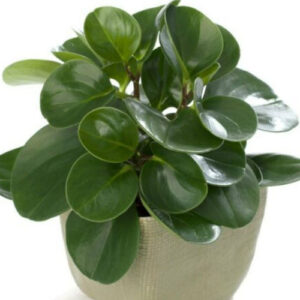
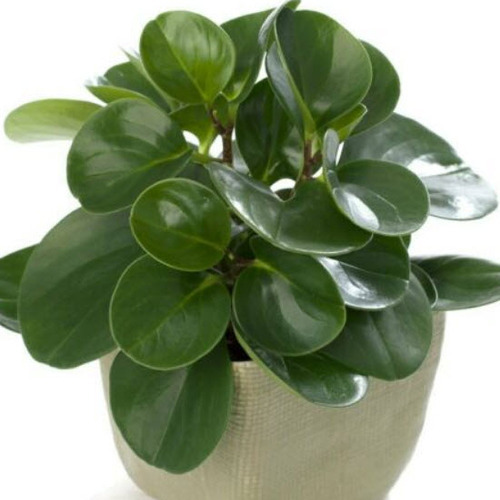
Peperomia obtusifolia, commonly known as the Baby Rubber Plant, is a compact, evergreen perennial prized for its thick, glossy, spoon-shaped leaves that superficially resemble those of the true rubber plant (Ficus elastica), though the two are unrelated. Native to parts of Mexico, Central America, the Caribbean, and northern South America, this species is a member of the Piperaceae family and typically grows as an epiphyte or terrestrial understory plant in warm, humid, low-light forest environments. Its succulent-like leaves store water, which allows it to tolerate occasional neglect and makes it a favorite among low-maintenance houseplant enthusiasts.

The plant typically reaches a mature height and spread of 8 to 12 inches, though it can occasionally grow larger under ideal conditions. Its fleshy, oval to obovate leaves grow on reddish stems and range from deep green to variegated forms depending on the cultivar, such as ‘Variegata’ with creamy yellow leaf margins, or ‘Golden Gate’ with marbled gold and green patterning. The compact, mounding growth habit makes it especially popular for tabletops, desks, terrariums, and dish gardens.

While grown primarily for its attractive foliage, Peperomia obtusifolia can occasionally produce narrow, upright flower spikes that are more curious than showy. The plant’s easygoing nature, resistance to many common pests, and tolerance of indoor conditions have made it a staple in offices, apartments, and beginner plant collections worldwide.

Baby Rubber Plant Care & Growing Guide

The Baby Rubber Plant is widely regarded as one of the easiest houseplants to grow, making it an excellent choice for beginners or anyone seeking a low-fuss addition to their indoor garden. It thrives in bright, indirect light but is remarkably adaptable to lower light conditions, though variegated cultivars need more light to maintain their coloring. Because its thick leaves retain water, this plant is far more forgiving of underwatering than overwatering, and allowing the soil to dry out between waterings is key to long-term success.

A well-draining potting mix, ideally amended with perlite or orchid bark, helps prevent the root rot that is the most common cause of decline in this species. The plant prefers average room humidity and temperatures between 65-80°F (18-27°C), and it should be kept away from cold drafts, heating vents, and air conditioning units. Regular but light fertilization during the growing season supports steady, compact growth without encouraging legginess.

Beyond its basic light, water, and soil needs, the Baby Rubber Plant benefits from occasional pruning to maintain a full, bushy shape, and it is easily propagated from stem or leaf cuttings, making it simple to share with friends or expand a collection. Its resistance to most pests and diseases, combined with its compact size, means it requires minimal ongoing intervention once its basic care routine is established.

 Soil Soil

Peperomia obtusifolia thrives in a light, well-draining potting mix that mimics its native epiphytic and forest-floor growing conditions. An ideal blend combines standard potting soil with perlite, orchid bark, and/or coarse sand in roughly equal parts to promote excellent drainage and aeration while still retaining some moisture. A slightly acidic to neutral pH range of about 6.0 to 6.5 supports optimal nutrient uptake. Because the plant’s leaves store water, the soil should never stay soggy; excess moisture around the roots is the leading cause of root rot in this species.

Soil composition directly affects plant health: dense, moisture-retentive soils suffocate roots and invite fungal problems, while overly gritty, nutrient-poor mixes can leave the plant undernourished. Amending with compost or worm castings at potting time can provide a slow-release nutrient boost without overwhelming the plant.

Common soil problems include poor drainage (leading to root rot and yellowing leaves), compaction (which restricts oxygen to roots and stunts growth), inappropriate pH (which can lock out nutrients), salt build-up from over-fertilizing or hard tap water (visible as white crust on the soil surface), nutrient deficiencies (causing pale or slow growth), and root boundness in plants left too long in the same pot (signaled by roots circling the pot or emerging from drainage holes, and slowed growth).

 Fertilizer Fertilizer

Feed Peperomia obtusifolia with a balanced, water-soluble houseplant fertilizer (such as a 20-20-20 formula) diluted to half strength, applied once a month during the active growing season of spring through summer. Reduce or suspend feeding entirely in fall and winter when growth naturally slows.

Signs of over-fertilization include browning leaf tips and margins, a white crust of salts on the soil surface, and stunted or wilting growth despite adequate water. Signs of under-fertilization include pale or yellowing older leaves, slow or stalled growth, and smaller-than-usual new leaves.

Organic alternatives such as diluted fish emulsion, worm castings, or compost tea can provide gentler, slow-release nutrition. This species has no unusual nutrient requirements beyond standard houseplant needs, though it can be sensitive to salt build-up, so flushing the soil with plain water every few months helps prevent fertilizer residue from accumulating.

 Watering Watering

This plant’s thick, water-storing leaves make it fairly drought-tolerant, and it is much more sensitive to overwatering than underwatering. Allow the top 1-2 inches of soil to dry out completely between waterings, then water thoroughly until liquid drains from the bottom of the pot, discarding any excess. Room-temperature filtered, distilled, or rainwater is preferable, as Peperomia can be sensitive to the chlorine, fluoride, and mineral salts found in some tap water, which may cause leaf tip browning over time.

Signs of overwatering include yellowing, mushy, or translucent leaves, a mushy stem base, and a sour smell from the soil indicating root rot. Signs of underwatering include wrinkled, shriveled, or limp leaves that typically plump back up soon after watering.

Watering needs decrease significantly in fall and winter when growth slows; the soil may only need watering every 2-3 weeks compared to weekly or biweekly during the active spring and summer growing season. Always check soil moisture with a finger test rather than watering on a fixed schedule.

Baby Rubber Plant Watering Calculator

🪴 Precision Watering Intelligence

Science-Based Hydration for Your Collection

Stop guessing. Most houseplant failures are caused by volumetric errors and improper moisture tension. Our deterministic calculator moves beyond "once-a-week" watering by analyzing the four critical pillars of root health:

  • • Transpiration Coefficients: 120+ species mapped by metabolic rate.
  • • Substrate Porosity: Adjusts for Standard vs. Cactus/Well-Draining mixes.
  • • Geometric Volume (V = π r² h): Calculates exact cups based on pot surface area.
  • • The Drainage Factor: Accounts for pot material (Terracotta) and the risk of a perched water table.

Personalized for this plant

6"
🪴
--
approx. every --

Disclaimer: Our calculator is pretty smart. We’ve crunched the numbers, but we’re not measuring the quantum state of your living room. Since we don’t know your exact indoor temperature, humidity, light, airflow, or whether your plant receives daily sweet nothings and motivational speeches, use this calculator as a guide—and always keep an eye on your plant.

 Lighting Lighting

Baby Rubber Plants prefer bright, indirect light, such as that from an east- or north-facing window, though they tolerate medium and even low light conditions better than most houseplants. Direct, harsh afternoon sun should be avoided, as it can scorch the thick leaves. Variegated cultivars require brighter light than solid green forms to preserve their patterning; insufficient light will often cause variegated types to revert to solid green.

Signs of insufficient light include leggy, stretched growth with increased space between leaves, smaller new leaves, loss of variegation, and a general dull appearance. Signs of excessive or direct light include bleached, scorched, or crispy brown patches on the leaves, and leaves that curl or appear washed out.

If natural light is suboptimal, the plant can be moved closer to a bright window or supplemented with a grow light positioned 12-18 inches above the foliage for 10-12 hours a day. Rotating the pot periodically ensures even growth on all sides.

 Tempature Temperature

The Baby Rubber Plant thrives in typical indoor temperatures between 65-80°F (18-27°C) and does best with consistent warmth year-round. It has low tolerance for cold and should be protected from temperatures below 50°F (10°C), which can cause chilling damage, leaf drop, or blackened tissue.

While it can handle brief fluctuations, sudden temperature swings, cold drafts near windows or doors, and proximity to heating or air conditioning vents should be avoided, as these can stress the plant and cause leaf curling or dropping.

To protect it from temperature extremes, keep the plant away from exterior doors in winter, avoid placing it directly against cold windowpanes, and bring it indoors well before the first frost if it has been kept outdoors for summer.

 Humidity Humidity

Peperomia obtusifolia adapts well to average indoor humidity levels of around 40-50% but grows most vigorously with moderate to higher humidity between 50-60%. It is more humidity-tolerant than many tropical houseplants due to its water-storing leaves.

Low humidity stress can show up as slightly curled leaf edges, slowed growth, or occasional leaf drop, though this plant is generally resilient in drier household air. High humidity is rarely problematic on its own but combined with poor air circulation can encourage fungal issues.

To boost humidity, a pebble tray filled with water placed beneath the pot (without letting the pot sit directly in water) offers mild, localized humidity as water evaporates. Grouping plants together also raises ambient moisture. A small humidifier nearby is the most effective and consistent method for larger collections. Misting offers only brief, minor humidity benefits and is not essential for this species.

 ropagation Propagation

Peperomia obtusifolia is most commonly propagated through stem cuttings or leaf cuttings, both of which root readily in water or moist soil.

1. Select a healthy, pest-free stem with at least 2-3 leaves, or a single healthy leaf with a bit of petiole attached.
2. Using clean, sharp scissors or pruning shears, cut the stem just below a leaf node, or remove the leaf with its stalk intact.
3. Allow the cutting to callus over for a few hours to a day in a dry spot out of direct sun, which helps prevent rot.
4. Place the cutting in a small container of water (submerging just the node or petiole) or insert it directly into a lightly moist, well-draining potting mix.
5. Keep the cutting in bright, indirect light and consistent warmth around 70-75°F (21-24°C).
6. If rooting in water, change the water every few days and watch for roots to form within 2-4 weeks.
7. If rooting in soil, keep the mix consistently moist (not soggy) and check for resistance after 3-4 weeks, which indicates roots have formed.
8. Once roots are at least an inch long, transplant water-rooted cuttings into a well-draining potting mix.
9. Care for the new plant as you would a mature specimen, keeping it in bright, indirect light with light watering until established.

Stem cuttings generally have a higher success rate and root more quickly than single leaf cuttings, which can take longer and occasionally fail to produce a new plantlet even if roots form. Late spring through summer is the best time to propagate, taking advantage of the plant’s active growth phase. New plants typically establish and show visible new growth within 4-8 weeks.

 Potting Potting

Choose a pot with adequate drainage holes, ideally made of terracotta or unglazed ceramic, which helps wick away excess moisture and reduces the risk of root rot. A pot only slightly larger than the current root ball is best, since Peperomia obtusifolia prefers being somewhat snug in its container. Use a well-draining mix of potting soil amended with perlite and orchid bark.

This slow-growing plant typically only needs repotting every 2-3 years, or when it becomes visibly rootbound. Signs that repotting is needed include roots circling the pot’s interior or emerging from drainage holes, water running straight through without being absorbed, stunted growth despite proper care, and the plant frequently drying out much faster than usual.

When repotting, minimal root pruning is typically necessary; simply loosen and lightly tease apart any tightly circling roots. Choose a new pot only one size larger to avoid overpotting, which can lead to excess moisture retention. To minimize transplant stress, repot during the growing season, water the plant a day before repotting, handle the root ball gently, and keep the newly potted plant out of direct sun for a week or two while it adjusts.

 Pruning Pruning

Best Time to Prune

Late spring through summer, during the plant’s active growing season, is the ideal time to prune, as it allows the plant to recover and produce new growth quickly.

Frequency

Light pruning can be done as needed, generally once or twice a year, to maintain shape and remove damaged growth.

Purpose

Pruning helps maintain a full, compact, bushy shape, removes leggy or damaged stems, encourages branching, and allows for propagation material to be collected.

Tools and Preparation

Use clean, sharp pruning shears or scissors sterilized with rubbing alcohol to prevent the spread of disease. Ensure the plant is well-hydrated a day or two before pruning to reduce stress.

Step-by-Step Pruning Guide

  1. Inspect the plant and identify any yellowing, damaged, leggy, or overly long stems.
  2. Sterilize your pruning shears or scissors with rubbing alcohol.
  3. Cut leggy stems back to just above a healthy leaf node to encourage bushier regrowth.
  4. Remove any dead, damaged, or diseased leaves and stems at their base.
  5. Pinch back the tips of healthy stems to promote fuller, more compact growth.
  6. Save any healthy cuttings for propagation if desired.
  7. Dispose of removed plant material and clean your tools afterward.

Aftercare

Keep the freshly pruned plant in bright, indirect light and maintain normal watering. Avoid fertilizing immediately after a heavy pruning session; resume feeding once new growth appears.

Special Considerations

Avoid removing more than about a third of the plant’s foliage at one time to prevent excessive stress.

 Blooming Blooming

Peperomia obtusifolia can bloom year-round indoors under favorable conditions, though flowering is infrequent and inconspicuous compared to the plant’s foliage. When blooms appear, they emerge as thin, upright, rat-tail-like spikes (spadices) roughly 2-4 inches long, typically greenish-white to cream in color, lacking petals. Flowering is most likely to occur during the warmer growing months of spring through summer when the plant receives bright, indirect light and consistent warmth and humidity. The flower spikes can last several weeks but produce no significant fragrance or ornamental value, so the plant is grown almost exclusively for its foliage rather than its blooms.

 Pests & Diseases Pests and Diseases

Pests

Name: Mealybugs

Symptoms: Small, white, cottony masses in leaf axils and along stems; sticky honeydew residue; sooty mold growth; yellowing or wilting leaves.

Treatment: Isolate the plant, wipe off visible pests with a cotton swab dipped in rubbing alcohol, and treat with insecticidal soap or neem oil weekly until resolved.

Name: Spider Mites

Symptoms: Fine webbing on the undersides of leaves and stems; stippled, speckled, or bronzed leaf discoloration; overall dull or unhealthy appearance.

Treatment: Increase humidity, rinse the plant thoroughly with lukewarm water, and apply insecticidal soap or neem oil every 5-7 days until mites are gone.

Name: Fungus Gnats

Symptoms: Small flying insects around the soil surface; larvae feeding on roots, which can stunt growth in severe infestations.

Treatment: Allow soil to dry out fully between waterings, use yellow sticky traps for adults, and apply a BTI-based (mosquito bit) soil drench to kill larvae.

Diseases

Name: Root Rot

Symptoms: Yellowing, wilting, or mushy leaves; blackened, soft, foul-smelling roots and stem base; stunted growth.

Treatment: Remove the plant from its pot, trim away all affected roots with sterilized scissors, repot into fresh, well-draining soil, and reduce watering frequency going forward.

Name: Bacterial Leaf Spot / Ring Spot

Symptoms: Water-soaked, dark brown or black circular lesions or ring patterns on leaves, sometimes with a yellow halo.

Treatment: Remove and discard affected leaves, avoid overhead watering and wetting foliage, improve air circulation, and apply a copper-based bactericide if the issue persists.

Name: Powdery Mildew

Symptoms: White, powdery patches on leaf surfaces; leaf distortion in severe cases.

Treatment: Increase air circulation, avoid overhead watering, remove affected leaves, and treat with a fungicidal spray or diluted neem oil solution.

 Special Features Special Features

The Baby Rubber Plant stands out for its glossy, succulent-like foliage that offers rubber-plant aesthetics in a fraction of the space, making it ideal for small living areas, desks, and shelving. Its variegated cultivars, such as ‘Variegata’ and ‘Golden Gate,’ add splashes of cream, gold, and green that bring visual interest without the need for flowering. Beyond its ornamental appeal, the plant’s compact, mounding growth habit and general tolerance of varied indoor conditions make it a popular choice for terrariums, dish gardens, and mixed succulent-style plant displays. Its resilience, ease of propagation, and pet-safe status further enhance its appeal as a low-maintenance, decorative, and shareable houseplant.

 Benefits Plant Benefits

Peperomia obtusifolia has a modest history of traditional and folk herbal use in parts of its native range, where some related Peperomia species have been used in traditional remedies for minor ailments such as headaches, coughs, or skin irritations. However, there is limited scientific or pharmaceutical research confirming significant medicinal benefits, and the plant is not recognized in modern pharmacology as a therapeutic agent. It is grown almost exclusively as a decorative houseplant rather than for herbal or medicinal purposes.

  Additional Information Additional Information

Peperomia obtusifolia is sometimes confused with true rubber plants (Ficus elastica) due to its similar glossy leaves, but the two belong to entirely different plant families and have different care requirements, particularly around toxicity, as Ficus is toxic to pets while Peperomia is not. This species is also a popular choice for hydroponic and semi-hydroponic growing setups due to its tolerance for consistent moisture when drainage is adequate.

  Lifecycle Life Cycle

As a perennial, Peperomia obtusifolia lives for multiple years under proper care, progressing from a rooted cutting or seedling through a juvenile growth phase focused on leaf and stem development, into a mature, mounding plant capable of occasional flowering. Growth is slow to moderate, with new leaves emerging most actively in spring and summer and slowing considerably in fall and winter. Individual leaves are long-lived and thick, and older lower leaves may occasionally yellow and drop as the plant redirects energy to new growth. With stable conditions, this species can live for many years indoors, often being refreshed periodically through pruning and propagation.

  Plant ToxicityAre Baby Rubber Plant Poisonous, Toxic

Peperomia obtusifolia is considered non-toxic and is classified by the ASPCA as safe for cats and dogs. It is also generally regarded as safe around children. No part of the plant – leaves, stems, or roots – contains significant toxic compounds. Because it lacks calcium oxalate crystals or other common toxic plant chemicals, ingestion typically does not cause poisoning, though eating any non-food plant material can occasionally cause mild, transient gastrointestinal upset such as vomiting or diarrhea due to plant fiber irritation rather than true toxicity. Severity is minimal to none. First aid steps, if mild digestive upset occurs, include offering fresh water, monitoring the pet or child for continued symptoms, and contacting a veterinarian or physician if symptoms persist or worsen. As a preventive measure, it’s still good practice to discourage pets and small children from chewing on any houseplant, and to keep the plant out of easy reach to prevent leaf damage or accidental ingestion of soil and fertilizer.

 FAQ Frequently Asked Questions

Is Peperomia obtusifolia toxic to cats and dogs?

No, Peperomia obtusifolia is considered non-toxic to cats and dogs according to the ASPCA.

How often should I water my Baby Rubber Plant?

Water only when the top 1-2 inches of soil have dried out, typically every 1-2 weeks in the growing season and less often in winter.

Why are my Peperomia obtusifolia leaves turning yellow?

Yellowing leaves are most often caused by overwatering and root rot, though they can also result from too little light or natural aging of older leaves.

How much light does a Baby Rubber Plant need?

It prefers bright, indirect light but tolerates medium light well; direct sun should be avoided to prevent leaf scorch.

How do you propagate Peperomia obtusifolia?

It is propagated most easily from stem or leaf cuttings rooted in water or moist soil, typically taking 2-4 weeks to develop roots.

Why is my Baby Rubber Plant losing leaves?

Leaf drop is commonly caused by overwatering, cold drafts, or sudden temperature changes.

Does Peperomia obtusifolia need high humidity?

No, it adapts well to average household humidity, though it grows best with moderate humidity around 50-60%.

How big does a Baby Rubber Plant get?

It typically stays compact, reaching about 8 to 12 inches in height and spread.

What type of soil is best for Peperomia obtusifolia?

A light, well-draining mix of potting soil, perlite, and orchid bark with a slightly acidic pH of 6.0 to 6.5 works best.

How often does Peperomia obtusifolia need to be repotted?

It generally only needs repotting every 2-3 years, or once it becomes visibly rootbound.

Can I grow this plant in my indoor spaceCan I grow Baby Rubber Plant in my indoor space

Difficulty: Easy

Size: Small

Light: Medium

Water: Low

Flowering: Yes

Pet Safe: Yes

Air Purifier: Low

Can I grow this plant in my indoor spacePeperomia obtusifolia botanical details

Common Name: Baby Rubber Plant

Other Common Names: American Rubber Plant, Pepper Face, Blunt-Leaved Peperomia

Botanical Name: Peperomia obtusifolia

Native Area: Mexico, Central America, the Caribbean, and northern South America (including Colombia and Venezuela)

Family Name: Piperaceae

Plant Type: Perennial (evergreen, succulent-leaved epiphyte/terrestrial subshrub)

Genus: Peperomia

Kingdom: Plantae

 Photo Gallery Photo Gallery

 Care recommendationsMy Baby Rubber Plant Plant Care Recommendations

  •   Buy onlineBuy Baby Rubber Plant Online

    “Bring Home This Beauty Today”

    “Get Your Own Baby Rubber Plant Before It’s Gone”

    “Shop Trusted Sellers – Limited Availability”

    “Free Delivery”

    Baby Rubber Plant Care
    Baby Rubber Plant Care

    As an Amazon Associate, I earn commission from qualifying purchases.

      Plant Joke Plant Puns and Jokes

    Why did the Baby Rubber Plant refuse to stretch during yoga class? It already had plenty of flexibility stored up in its leaves!

    Newsletter Signup Signup to our newsletter and download Baby Rubber Plant care guide

    Chatbot Icon
    AI Julie Chatbot, ask me!