About Network Plant

Network Plant Introduction

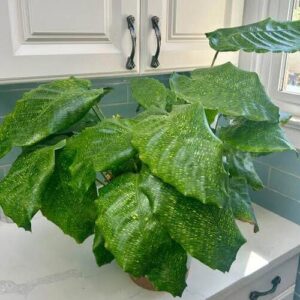
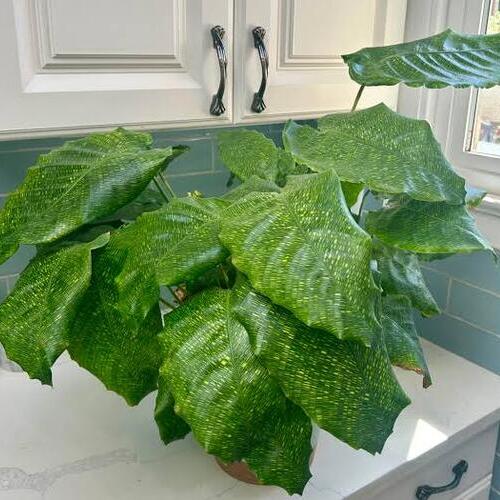
The Network Plant (Goeppertia musaica), formerly classified as Calathea musaica, is a striking foliage perennial prized for the intricate mosaic-like patterning on its leaves. Each oval leaf displays a fine, interlocking lattice of light and dark green checkered markings that resemble a woven net or circuit board, which is how the plant earned its common name. The undersides of the leaves often carry a soft purple or maroon flush, adding contrast when the foliage moves or folds in response to changing light, a behavior typical of the broader prayer-plant family.

Native to the tropical rainforests of Brazil, particularly the understory regions of the Amazon basin, Goeppertia musaica has adapted to life beneath a dense forest canopy. In its natural habitat it grows in dappled, filtered light, high humidity, and warm, stable temperatures, conditions that inform nearly every aspect of its care in cultivation. The species belongs to the Marantaceae family, a group of plants collectively known as prayer plants because their leaves rise and fold together at night and lower again during the day, following a circadian rhythm driven by specialized joints called pulvini at the base of each leaf stem.

As a houseplant, the Network Plant is valued not for flowers but for its foliage display, making it a favorite among collectors who appreciate detailed leaf patterning over blooming interest. It typically grows to a modest clumping size, forming a dense rosette of upright to slightly arching stems. While it has a reputation for being fussier than some of its Marantaceae relatives, understanding its rainforest origins makes its care requirements far more intuitive, and with consistent humidity and indirect light it can become a long-lived, rewarding specimen.

Network Plant Care & Growing Guide

Caring for the Network Plant successfully starts with replicating the humid, warm, and shaded conditions of its native Amazonian understory. Bright, indirect light is essential; direct sun will scorch the delicate leaf patterning, while too little light causes the foliage to fade and the plant to become leggy. A spot a few feet back from an east or north-facing window, or filtered light from a sheer curtain near a brighter window, tends to work well. Consistency matters more than intensity, since sudden swings between bright and dim conditions stress the plant.

Water and humidity are the two factors most likely to make or break this species. The soil should be kept lightly and evenly moist, never fully dried out nor waterlogged, using a well-draining, chunky aroid-style mix. Because Network Plants are sensitive to the minerals and chlorine found in tap water, many growers see better results using filtered, distilled, or rainwater. Humidity above 60% is strongly recommended; in drier homes, a humidifier, pebble tray, or grouping with other plants can prevent the crispy leaf edges that are the hallmark of low-humidity stress.

Beyond light and moisture, steady warmth between 65-80°F (18-27°C), protection from cold drafts, and a light monthly feeding during the growing season round out the plant’s basic needs. Repotting every one to two years into fresh, aerated mix helps prevent root compaction and salt buildup. With attentive but not excessive care, the Network Plant rewards patience with dense, patterned foliage that makes it one of the more visually distinctive members of the prayer-plant family.

 Soil Soil

The Network Plant thrives in a light, well-aerated, and moisture-retentive soil mix that mimics the loose organic litter of a rainforest floor. A blend of high-quality peat-free potting mix or coco coir, perlite, and orchid bark in roughly equal parts provides both moisture retention and the drainage needed to prevent waterlogging. A slightly acidic to neutral pH range of about 5.5 to 6.5 supports healthy nutrient uptake. Amendments such as horticultural charcoal can help keep the mix fresh and reduce the risk of root rot, while a small amount of worm castings or compost adds slow-release organic nutrition.

Soil composition directly affects root respiration, water availability, and nutrient absorption; a mix that is too dense will suffocate roots and encourage rot, while one that is too fast-draining will leave the plant chronically thirsty. Common soil problems to watch for include poor drainage, which causes root rot and yellowing leaves; compaction over time, which restricts oxygen and water movement and signals it is time to repot with fresh mix; inappropriate pH, which can lock out nutrients even when fertilizer is applied correctly; salt buildup from tap water or over-fertilizing, visible as white crust on the soil surface or pot rim; nutrient deficiencies, seen as pale or discolored new growth; and root boundness, where a tightly circling root mass in an undersized pot limits water uptake and stunts growth, calling for repotting into a slightly larger container.

 Fertilizer Fertilizer

During the active growing season in spring and summer, feed the Network Plant every 4-6 weeks with a balanced, diluted liquid houseplant fertilizer, typically mixed at half the strength recommended on the label to avoid the plant’s sensitivity to salt buildup. Fertilizing should be paused or reduced to once every 8-10 weeks, or stopped altogether, during fall and winter when growth naturally slows. Signs of over-fertilization include brown, crispy leaf-tip burn, white mineral crust on the soil surface, and stunted or distorted new leaves, while under-fertilization shows up as pale, slow-growing foliage and a general lack of vigor over time. Organic alternatives such as diluted worm-casting tea or a light top-dressing of compost can provide gentler, slow-release nutrition and help reduce the risk of chemical fertilizer burn. This species has no unusual nutrient requirements beyond a standard balanced houseplant feed, though it does benefit from occasional flushing of the soil with plain water to prevent salt accumulation from regular fertilizing.

 Watering Watering

This species prefers consistently moist, never soggy, soil. Water when the top inch of soil begins to feel dry, thoroughly saturating the mix until water drains from the bottom, then discarding any standing water in the saucer. Because Network Plants are sensitive to fluoride, chlorine, and mineral salts, filtered water, distilled water, or rainwater is preferred over untreated tap water, which can cause brown leaf-tip burn over time. Underwatering shows up as drooping, curling leaves and dry, crispy edges, while overwatering leads to yellowing leaves, a mushy stem base, and a musty soil smell indicating root rot. Watering needs increase during the active growing season in spring and summer, when the plant is using more water to support new growth, and should be reduced in fall and winter as growth slows, allowing the topsoil to dry slightly more between waterings to avoid cold, waterlogged roots.

Network Plant Watering Calculator

🪴 Precision Watering Intelligence

Science-Based Hydration for Your Collection

Stop guessing. Most houseplant failures are caused by volumetric errors and improper moisture tension. Our deterministic calculator moves beyond "once-a-week" watering by analyzing the four critical pillars of root health:

  • • Transpiration Coefficients: 120+ species mapped by metabolic rate.
  • • Substrate Porosity: Adjusts for Standard vs. Cactus/Well-Draining mixes.
  • • Geometric Volume (V = π r² h): Calculates exact cups based on pot surface area.
  • • The Drainage Factor: Accounts for pot material (Terracotta) and the risk of a perched water table.

Personalized for this plant

6"
🪴
--
approx. every --

Disclaimer: Our calculator is pretty smart. We’ve crunched the numbers, but we’re not measuring the quantum state of your living room. Since we don’t know your exact indoor temperature, humidity, light, airflow, or whether your plant receives daily sweet nothings and motivational speeches, use this calculator as a guide—and always keep an eye on your plant.

 Lighting Lighting

Bright, indirect light is ideal for the Network Plant, replicating the filtered canopy light of its native habitat. A position near an east-facing window, or several feet back from a south- or west-facing window with a sheer curtain to diffuse the light, works well. Insufficient light causes the leaves to fade, lose their contrasting pattern, and grow smaller, with the plant often stretching toward the nearest light source. Excessive or direct light causes visible scorching such as bleached, crispy, or brown-edged patches, along with curling leaves as the plant tries to reduce its light exposure. If natural light is inconsistent or too low, a full-spectrum LED grow light placed 12-18 inches above the foliage for 10-12 hours a day can supplement or replace natural light effectively, and rotating the pot periodically helps ensure even growth on all sides.

 Tempature Temperature

The Network Plant prefers stable warmth between 65-80°F (18-27°C), with 70-75°F being close to ideal for active growth. It has little tolerance for cold drafts, sudden temperature swings, or exposure to air conditioning and heating vents, all of which can cause leaf curling, browning, or dropped foliage. Temperatures below 60°F (15°C) can slow growth significantly and, if sustained, cause cold damage or root stress. To protect the plant from extreme temperatures, keep it away from drafty windows and doors in winter, avoid placing it near radiators or heat vents, and bring it indoors well before any risk of frost if it has been kept outdoors during warmer months.

 Humidity Humidity

High humidity, ideally 60% or above, is one of the most important factors for keeping this species healthy, directly reflecting its rainforest origin. Low humidity stress appears as curling, crispy brown leaf edges and tips, while unusually high humidity combined with poor airflow can occasionally encourage fungal spotting on the leaves. Effective ways to raise humidity include running a small humidifier nearby, which is generally the most reliable and consistent method; grouping the plant with other humidity-loving houseplants to create a shared microclimate; and using a pebble tray filled with water beneath the pot, which offers a mild, localized humidity boost as the water evaporates. Misting can offer brief relief but is the least effective long-term solution since humidity levels drop again within minutes, and misting alone should not be relied upon in dry climates or during winter heating season.

 ropagation Propagation

The most reliable way to propagate the Network Plant is by division during repotting, since it grows in a clumping habit with multiple stems arising from a shared root system. Stem cuttings are possible but root much less consistently in this species compared to division, making division the preferred method for most growers. Late spring through summer, when the plant is actively growing, is the best time to propagate, as warmth and longer daylight hours support faster root establishment.

Step-by-step division guide:
1. Water the parent plant a day before dividing so the root ball is hydrated and easier to work with.
2. Gently remove the plant from its pot and shake or rinse away excess soil to expose the root system.
3. Identify natural separations where clumps of stems share their own distinct root mass.
4. Using clean, sharp shears or your hands, carefully separate the clump into sections, ensuring each division has healthy roots and at least two to three stems.
5. Trim away any damaged, mushy, or rotten roots with sterilized scissors.
6. Pot each division into fresh, well-draining aroid mix in a container just slightly larger than its root mass.
7. Water thoroughly and place in bright, indirect light with high humidity, using a humidity dome or plastic bag loosely tented over the plant if humidity is low.
8. Keep the soil consistently moist for the first few weeks while new roots establish, avoiding fertilizer until new growth appears.

Divisions typically establish within 3-6 weeks, showing new leaf growth as a sign of successful rooting, while stem cuttings, when they do succeed, can take considerably longer and have a lower overall success rate.

 Potting Potting

A pot with ample drainage holes is essential, paired with a light, chunky, well-aerated potting mix as described in the soil section. Terracotta pots can help wick away excess moisture and reduce the risk of overwatering, though plastic or glazed ceramic pots work well too as long as drainage is adequate and humidity is otherwise maintained. Repot every 1-2 years, or when roots begin circling the bottom of the pot, water runs straight through without being absorbed, or growth noticeably slows despite good care, all of which indicate the plant has become root bound.

When repotting, gently loosen and tease apart tightly circling roots, trimming away any that are dead, mushy, or excessively long to encourage healthy new growth, but avoid heavy root pruning unless necessary since this species can be sensitive to root disturbance. Move up only one pot size at a time, since an oversized pot holds excess moisture that can lead to root rot. To minimize transplant stress, repot during the active growing season, water the plant a day beforehand, keep as much of the original root ball intact as possible, and place the plant in stable warmth, humidity, and indirect light for a couple of weeks afterward while it adjusts.

 Pruning Pruning

Best Time to Prune

Late spring through summer, during the active growing season, is the best time to prune the Network Plant, as the plant recovers and regrows most quickly during this period.

Frequency and Purpose

Pruning is generally light and occasional, done as needed rather than on a fixed schedule. Its main purposes are removing damaged, yellowing, or dead leaves, encouraging a fuller, bushier habit, and controlling overall size.

Tools and Preparation

Use clean, sharp pruning snips or scissors sterilized with rubbing alcohol to prevent the spread of disease. Water the plant lightly the day before pruning so the leaves and stems are well hydrated.

Step-by-Step Pruning Guide

  1. Inspect the plant and identify any yellow, brown, damaged, or dead leaves and stems.
  2. Sterilize your pruning tool with rubbing alcohol before starting.
  3. Cut unwanted leaves or stems at the base, close to the soil line or main stem, using a clean angled cut.
  4. Remove any flower spikes after blooming has finished, if applicable.
  5. Trim back any leggy or overly long stems to encourage bushier new growth from the base.
  6. Dispose of removed plant material and avoid composting any parts showing signs of disease.

Aftercare

After pruning, keep the plant in its usual bright, indirect light and high-humidity spot, and hold off on fertilizing for a couple of weeks to let it recover.

Special Considerations

Avoid heavy pruning all at once, since removing too much foliage can stress the plant; spread significant trimming across multiple sessions if a large amount of growth needs to be removed.

 Blooming Blooming

Goeppertia musaica is grown almost exclusively for its foliage, and blooming indoors is rare to nonexistent. In its native tropical habitat, mature plants may produce small, inconspicuous white to pale lavender flowers on short spikes, typically during the warm, humid months of the wet season. When blooms do appear, they are modest in size and easily overlooked next to the showy leaves, lasting only a short time before fading. Optimal conditions for any chance of flowering include high humidity, warm stable temperatures, bright indirect light, and an undisturbed, mature root system, though most indoor growers should not expect regular blooming and should instead focus on foliage health.

 Pests & Diseases Pests and Diseases

Pests

Name: Spider Mites

Common Issues: Tiny arachnids that thrive in dry indoor air and are one of the most frequent pests on this species.

Symptoms: Fine webbing on leaf undersides, stippled yellow or bronze speckling on leaves, and an overall dusty appearance to the foliage.

Treatment: Increase humidity, rinse foliage thoroughly under lukewarm water, and treat with insecticidal soap or neem oil, repeating every 7-10 days until resolved.

Name: Mealybugs

Common Issues: Small, cottony white pests that cluster in leaf joints and along stems.

Symptoms: White cottony masses, sticky honeydew residue, and distorted or yellowing new growth.

Treatment: Dab visible pests with a cotton swab dipped in rubbing alcohol and follow up with insecticidal soap or neem oil applications every 7-10 days.

Name: Fungus Gnats

Common Issues: Small flying insects whose larvae live in overly moist potting soil.

Symptoms: Adult gnats hovering near the soil surface and, in heavier infestations, weakened seedlings or root damage from larvae.

Treatment: Allow the soil surface to dry out more between waterings, use yellow sticky traps for adults, and apply a soil drench such as diluted hydrogen peroxide or a BTI-based product to target larvae.

Diseases

Name: Root Rot

Common Issues: Caused by overwatering or poorly draining soil that leads to fungal pathogens attacking the roots.

Symptoms: Yellowing and wilting leaves despite moist soil, a mushy dark stem base, and a foul odor from the soil.

Treatment: Remove the plant from its pot, trim away all mushy or blackened roots with sterilized scissors, and repot into fresh, well-draining mix, adjusting future watering habits.

Name: Bacterial Leaf Spot

Common Issues: Bacterial infection often triggered by excess moisture on the foliage combined with poor air circulation.

Symptoms: Water-soaked spots that turn brown or black, sometimes surrounded by a yellow halo, which can enlarge and merge over time.

Treatment: Remove and discard affected leaves, avoid overhead watering or misting directly on foliage, improve airflow around the plant, and consider a copper-based bactericide for persistent cases.

Name: Powdery Mildew

Common Issues: A fungal disease that can appear in conditions of high humidity combined with stagnant air.

Symptoms: A white, powdery coating on leaf surfaces, sometimes accompanied by slight leaf curling or distortion.

Treatment: Improve air circulation around the plant, remove heavily affected leaves, and apply a fungicide labeled for powdery mildew if the problem persists.

 Special Features Special Features

The Network Plant’s defining feature is its remarkably intricate, mosaic-like leaf pattern, an interlocking network of light and dark green veining that makes each leaf look almost hand-painted or digitally rendered. As a member of the prayer-plant family, it also displays nyctinastic movement, folding its leaves upward at night and lowering them again during the day in a slow, visible rhythm that adds a dynamic, almost animated quality uncommon among houseplants. It does not produce showy flowers or edible fruit, and its appeal lies entirely in this combination of detailed foliage patterning and gentle daily movement, making it a favorite centerpiece for collectors of ornamental, pattern-rich tropical plants.

 Benefits Plant Benefits

Goeppertia musaica has no established herbal, medicinal, or pharmaceutical uses and is grown purely as an ornamental foliage houseplant rather than for any therapeutic or culinary application.

  Additional Information Additional Information

Goeppertia musaica was formerly classified under the genus Calathea before a taxonomic revision moved many former Calathea species, including this one, into the genus Goeppertia based on updated botanical research. It is sometimes still sold under its older name, Calathea musaica, in nurseries and garden centers, so both names commonly appear together in plant listings.

  Lifecycle Life Cycle

As a herbaceous tropical perennial, the Network Plant grows from a rhizomatous root system, sending up new leaves continuously from its base throughout the active growing season rather than following an annual bloom-and-die cycle. New leaves emerge tightly furled and unfurl over several days to reveal their mosaic pattern, while older leaves are gradually shed and replaced as the plant matures. With stable warmth, humidity, and light, it can live for many years indoors, periodically expanding through new stem growth at its base, which is also what allows it to be propagated by division.

  Plant ToxicityAre Network Plant Poisonous, Toxic

Goeppertia musaica is considered non-toxic. It does not contain calcium oxalate crystals or other compounds known to cause poisoning in cats, dogs, or children. Accidental ingestion of leaves or stems is not expected to cause systemic toxicity, though as with any non-food plant material, chewing or swallowing large amounts can occasionally lead to mild, self-limiting gastrointestinal upset such as drooling, mild vomiting, or stomach discomfort due to the physical irritation of plant fiber rather than a toxic reaction. Severity is generally very low. If a pet or child ingests plant material and shows signs of distress, rinse the mouth, offer water, monitor closely, and contact a veterinarian, pediatrician, or poison control center if symptoms persist or worsen. As a preventive measure, it is still wise to keep any houseplant out of easy reach of curious pets and young children to avoid mechanical injury, choking, or disturbance of the plant.

 FAQ Frequently Asked Questions

Is the Network Plant easy to care for?

The Network Plant is considered an advanced-level houseplant because it needs consistently high humidity, filtered water, and stable warmth to thrive, making it more demanding than many common houseplants.

Is Goeppertia musaica toxic to cats and dogs?

No, the Network Plant is considered non-toxic to cats, dogs, and children, though ingesting large amounts of any houseplant can cause mild stomach upset.

How often should I water my Network Plant?

Water when the top inch of soil feels dry, keeping the soil consistently moist but never soggy, and reduce watering frequency during fall and winter.

Why are the leaf edges on my Network Plant turning brown?

Brown, crispy leaf edges are most often caused by low humidity or mineral buildup from tap water, so increasing humidity and switching to filtered or distilled water usually helps.

What is the difference between Calathea musaica and Goeppertia musaica?

They are the same plant; a taxonomic reclassification moved many former Calathea species into the genus Goeppertia, so both names are used interchangeably in the trade.

How much light does a Network Plant need?

It needs bright, indirect light and should be kept out of direct sun, which can scorch its delicate mosaic-patterned leaves.

Does the Network Plant flower indoors?

Flowering indoors is rare; this species is grown primarily for its ornamental foliage rather than its small, inconspicuous blooms.

How do I propagate a Network Plant?

The most reliable method is division during repotting, separating the clump into sections that each have healthy roots and several stems.

Why does my Network Plant fold its leaves at night?

This is normal nyctinastic movement common to prayer-plant family members, where leaves rise and fold at night and lower again during the day.

What humidity level does the Network Plant need?

It prefers humidity of 60% or higher, which can be achieved with a humidifier, pebble tray, or by grouping it with other humidity-loving plants.

Can I grow this plant in my indoor spaceCan I grow Network Plant in my indoor space

Difficulty: Advanced

Size: Small to Medium

Light: Medium

Water: Medium

Flowering: No

Pet Safe: Yes

Air Purifier: Low

Can I grow this plant in my indoor spaceGoeppertia musaica botanical details

Common Name: Network Plant

Other Common Names: Mosaic Plant, Calathea Network Plant, Fishnet Plant, Calathea musaica

Botanical Name: Goeppertia musaica

Native Area: Tropical rainforests of Brazil, primarily the Amazon basin understory

Family Name: Marantaceae

Plant Type: Herbaceous perennial (houseplant)

Genus: Goeppertia

Kingdom: Plantae

 Photo Gallery Photo Gallery

 Care recommendationsMy Network Plant Plant Care Recommendations

  •   Buy onlineBuy Network Plant Online

    “Bring Home This Beauty Today”

    “Get Your Own Network Plant Before It’s Gone”

    “Shop Trusted Sellers – Limited Availability”

    “Free Delivery”

    Network Plant Care
    Network Plant Care

    As an Amazon Associate, I earn commission from qualifying purchases.

      Plant Joke Plant Puns and Jokes

    Why did the Network Plant get invited to the office party? Because it already had all the right connections.

    Newsletter Signup Signup to our newsletter and download Network Plant care guide

    Chatbot Icon
    AI Julie Chatbot, ask me!