About Blue Star Fern
Blue Star Fern Introduction
The Blue Star Fern (Phlebodium aureum) is an epiphytic fern native to the tropical and subtropical regions of the Americas, including parts of Florida, Mexico, Central America, South America, and the Caribbean. In its natural habitat, it grows attached to tree bark, rocks, and decaying logs, drawing moisture and nutrients from the air, rain, and organic debris rather than from soil in the traditional sense. This growth habit makes it a fascinating specimen for indoor cultivation, as it thrives in conditions that mimic a humid, dappled-light forest canopy.
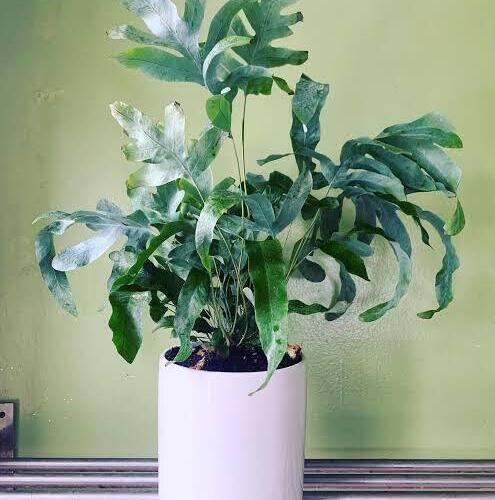
The most distinctive feature of this fern is its blue-green, undulating fronds, which emerge from thick, fuzzy, golden-brown rhizomes that creep along the surface of its growing medium. These rhizomes are often compared in appearance to a caterpillar or a furry paw, giving the plant one of its most memorable characteristics. The fronds themselves can grow up to two to three feet long in ideal conditions, with a leathery texture and a wavy, lobed margin that adds textural interest wherever the plant is displayed.
Unlike many houseplants, Phlebodium aureum does not produce flowers; instead, it reproduces via spores that develop in small round clusters called sori on the undersides of mature fronds. Its unusual coloration, resilient nature, and low-maintenance requirements have made it an increasingly popular choice among houseplant enthusiasts, particularly those drawn to unique foliage plants that diverge from the typical glossy green aesthetic of most indoor ferns.
Blue Star Fern Care & Growing Guide
Caring for a Blue Star Fern is relatively straightforward once its epiphytic origins are understood. Because it naturally grows on other surfaces rather than rooting deep into soil, it prefers a light, airy, well-draining growing medium and benefits from being slightly pot-bound. Bright, indirect light, consistent moisture without waterlogging, and elevated humidity are the three pillars of successful care for this species.
Indoors, the plant does best near an east- or north-facing window where it receives gentle morning light or filtered brightness throughout the day. It should be shielded from direct afternoon sun, which can scorch its delicate blue-green fronds. Watering should be approached with a ‘soak and dry’ rhythm: allow the top inch or two of the growing medium to dry out between waterings, then water thoroughly until it drains from the bottom of the pot.
Beyond light and water, the Blue Star Fern appreciates warm, stable temperatures and humidity levels above average household conditions, making bathrooms, kitchens, or spaces with a humidifier ideal locations. Light monthly feeding during the growing season, along with occasional grooming to remove spent or damaged fronds, will keep the plant looking full and healthy. With attentive but minimal care, this fern rewards growers with steady, ornamental growth and relatively few pest or disease issues compared to many other ferns.
Soil
Blue Star Fern thrives in a loose, chunky, and highly aerated growing medium that mimics the bark and debris it would naturally grow on in the wild. A mix formulated for epiphytes works best, such as a combination of orchid bark, perlite, coarse peat or coco coir, and a small amount of charcoal. This blend should never be dense or compact, since the fern’s rhizomes need airflow around them and roots that sit in heavy, waterlogged soil are prone to rot. An ideal pH range for this species is mildly acidic to neutral, roughly 5.5 to 7.0.
Amending the mix with perlite or pumice improves drainage and prevents compaction, while a small amount of compost or worm castings can provide a slow trickle of organic nutrients. Because the plant’s fuzzy rhizomes are meant to sit partially on top of the medium rather than buried within it, soil composition directly affects how well the plant can breathe and take up moisture; a mix that is too fine or too wet suffocates the roots and rhizomes and invites fungal problems.
Common soil-related problems include poor drainage from mixes that are too dense, compaction over time as organic matter breaks down, inappropriate pH from mineral-heavy tap water buildup, salt build-up from over-fertilization or hard water, nutrient deficiencies in old or depleted mixes, and root boundness when the plant outgrows its container. Refreshing the growing medium every one to two years helps prevent most of these issues.
Fertilizer
Feed the Blue Star Fern with a balanced, water-soluble houseplant fertilizer diluted to about half strength, applied once a month during the active growing season in spring and summer. Fertilization should be reduced or stopped entirely in fall and winter when the plant’s growth naturally slows. A gentle, fern-specific or all-purpose liquid fertilizer works well, and organic alternatives such as diluted fish emulsion, compost tea, or worm casting tea can provide a milder, slow-release nutrient boost.
Signs of over-fertilization include browning frond tips, a crusty white buildup of mineral salts on the soil surface, and stunted or burned new growth. Signs of under-fertilization include pale fronds, slow or minimal new growth, and an overall lack of vigor. Because this fern is sensitive to salt buildup, flushing the growing medium with plain water every couple of months helps prevent fertilizer residue from accumulating around the roots and rhizomes.
Watering
This fern likes consistent moisture but should never sit in soggy, waterlogged soil. The best approach is a soak-and-dry method: water thoroughly when the top inch or two of the growing medium feels dry to the touch, allowing excess water to fully drain away. Rainwater, distilled water, or filtered water is preferable to hard tap water, since Phlebodium aureum can be sensitive to the mineral salts and chlorine commonly found in municipal water supplies.
Signs of underwatering include curling, crispy, or shriveled fronds and a growing medium that pulls away from the sides of the pot. Signs of overwatering include yellowing fronds, a mushy or foul-smelling rhizome, and soil that stays wet for extended periods without drying. During the active growing season in spring and summer, the plant will need more frequent watering as it uses more moisture; in fall and winter, when growth slows, watering frequency should be reduced to prevent rot.
Blue Star Fern Watering Calculator
🪴 Precision Watering Intelligence
Science-Based Hydration for Your Collection
Stop guessing. Most houseplant failures are caused by volumetric errors and improper moisture tension. Our deterministic calculator moves beyond "once-a-week" watering by analyzing the four critical pillars of root health:
- • Transpiration Coefficients: 120+ species mapped by metabolic rate.
- • Substrate Porosity: Adjusts for Standard vs. Cactus/Well-Draining mixes.
- • Geometric Volume (V = π r² h): Calculates exact cups based on pot surface area.
- • The Drainage Factor: Accounts for pot material (Terracotta) and the risk of a perched water table.
Personalized for this plant
Disclaimer: Our calculator is pretty smart. We’ve crunched the numbers, but we’re not measuring the quantum state of your living room. Since we don’t know your exact indoor temperature, humidity, light, airflow, or whether your plant receives daily sweet nothings and motivational speeches, use this calculator as a guide—and always keep an eye on your plant.
Lighting
The Blue Star Fern prefers bright, indirect light, similar to the dappled sunlight it would receive under a tree canopy in the wild. An east-facing window with gentle morning sun or a bright north-facing window is ideal. It can also tolerate a few feet back from a south- or west-facing window as long as it is shielded from direct, intense rays. Direct sunlight, especially during the hottest part of the day, can scorch or bleach the fronds.
Signs of insufficient light include pale, weak, or elongated fronds, slower-than-normal growth, and a general loss of the plant’s characteristic blue-gray hue in favor of a duller green. Signs of excessive light include crispy, browning frond tips or edges, faded or bleached patches on the foliage, and overall wilting despite adequate watering.
If natural light is insufficient, a full-spectrum grow light placed a foot or two above the plant for eight to ten hours a day can supplement or replace sunlight effectively. Conversely, if the plant is receiving too much direct sun, moving it further from the window or adding a sheer curtain to diffuse the light will help protect the fronds.
Temperature
This fern thrives in warm, stable temperatures between 65 and 80°F (18 to 27°C). It is not cold-hardy and should be protected from temperatures below 50°F (10°C), which can cause damage or stunted growth. Sudden temperature swings, cold drafts from windows or doors, and proximity to air conditioning vents or heaters should all be avoided, as this species prefers a steady, moderate climate.
If grown outdoors in a suitable warm, humid climate (USDA zones 8 through 11), the plant should be brought indoors or given frost protection well before temperatures drop into the danger zone. Keeping the plant away from drafty windows in winter and away from hot, dry air currents in summer will help maintain the consistent conditions it prefers.
Humidity
Blue Star Fern prefers elevated humidity, ideally in the range of 50 to 70 percent, though it can tolerate slightly lower levels better than many other ferns due to its epiphytic, somewhat drought-tolerant rhizomes. Low humidity often shows up as browning or crisping frond edges and tips, while excessively high humidity combined with poor air circulation can encourage fungal issues on the fronds or rhizomes.
To increase humidity, a pebble tray filled with water placed beneath the pot is a simple and moderately effective option, as is grouping the plant with other humidity-loving houseplants. A cool-mist humidifier placed nearby is the most reliable and consistent method for maintaining ideal humidity levels, especially in dry climates or during winter when indoor heating lowers ambient moisture. Misting the fronds directly can offer brief, temporary relief but is the least effective long-term solution since the moisture evaporates quickly.
Propagation
The most reliable and common method of propagating Blue Star Fern is rhizome division, since the plant’s spreading, fuzzy rhizomes naturally produce new growth points that can be separated from the parent plant. Propagation from spores is possible but far slower and more technical, typically reserved for hobbyists and growers with specialized setups; division has a notably higher success rate for home growers.
Step-by-step division guide:
1. Choose a healthy, mature plant with several visible rhizome sections, ideally in spring or early summer when the plant is actively growing.
2. Gently remove the plant from its pot and shake or brush away excess growing medium to expose the rhizomes.
3. Identify natural separation points where a rhizome segment has its own roots and at least one or two healthy fronds attached.
4. Using clean, sharp scissors or a knife, cut through the rhizome to separate the segment from the main plant.
5. Allow the cut ends to callus over for a few hours in a dry, shaded spot to reduce the risk of rot.
6. Plant each division into a small pot filled with a loose, well-draining epiphytic mix, positioning the rhizome so it rests on top of or just barely under the surface rather than buried deep.
7. Water lightly to settle the mix and place the new division in bright, indirect light with high humidity, such as under a humidity dome or in a naturally humid room.
8. Keep the growing medium consistently moist but not soggy for the first few weeks while the division establishes new roots.
9. Reduce humidity dome use gradually over several weeks as new growth appears, signaling successful establishment.
Division typically shows signs of new growth within four to eight weeks, and a newly divided section can become a well-established, self-sufficient plant within three to six months. Spore propagation, by contrast, can take many months to over a year before a usable young plant develops, making division by far the preferred method for most growers.
Potting
Choose a pot with ample drainage holes, since Blue Star Fern’s rhizomes and roots are highly sensitive to sitting in excess moisture. Terracotta or unglazed clay pots are especially useful because they allow the growing medium to breathe and dry out evenly between waterings. A shallow, wide pot is often preferable to a deep one, since the plant’s rhizomes spread horizontally along the surface rather than growing deep roots.
Repotting is generally needed every one to two years, or when the rhizomes have visibly outgrown the container and are creeping over the edges. Signs that repotting is needed include rhizomes spilling over the pot’s rim, water running through too quickly without being absorbed, and slowed growth despite otherwise good care. When repotting, minimal root pruning is usually necessary since Phlebodium aureum tends to have a relatively shallow, non-invasive root system; any dead or mushy roots can be trimmed away with clean scissors.
To transition the plant with minimal stress, move it to a pot only one to two inches larger in diameter, use fresh well-draining epiphytic mix, and keep the plant in slightly lower light with consistent humidity for one to two weeks after repotting to help it recover.
Pruning
Best Time to Prune
The ideal time to prune a Blue Star Fern is during spring or early summer, at the start of its active growing season, when the plant recovers quickly from any trimming.
Frequency
Pruning is generally an as-needed task rather than a regular schedule; most growers trim their fern every few months to remove damaged or spent fronds.
Purpose
Pruning helps maintain the plant’s appearance, redirects energy toward healthy new growth, and removes fronds that may be harboring pests or disease.
Tools and Preparation
Use clean, sharp pruning snips or scissors, and wipe the blades with rubbing alcohol before and after use to prevent the spread of pathogens between plants.
Step-by-Step Pruning Guide
- Inspect the plant and identify fronds that are yellowed, browned, damaged, or dead.
- Trace each unwanted frond back to its point of origin at the rhizome.
- Using sterilized scissors, cut the frond cleanly at its base, close to the rhizome, without damaging surrounding healthy growth.
- Remove any fallen or trapped debris from around the base of the plant to improve air circulation.
- Dispose of pruned material rather than composting it if pest or disease issues were the cause of removal.
- Wipe down tools again with rubbing alcohol once finished.
Aftercare
After pruning, water the plant as normal and place it back in its usual bright, indirect light location; no special aftercare products are typically needed.
Special Considerations
Avoid cutting into the fuzzy rhizomes themselves unless propagating, as this is the plant’s main growth structure and unnecessary damage can slow overall development.
Blooming
Phlebodium aureum is a non-flowering plant; it does not bloom or produce flowers at any point in its life cycle. Instead of flowers, it reproduces through spores that form in round clusters (sori) on the undersides of mature fronds, typically visible year-round once the plant reaches maturity. Spore production is most active during warm, humid growing conditions in spring and summer, when the plant is putting out the most new growth. There are no flower characteristics to describe, as reproduction occurs entirely through this spore-based process rather than pollination.
Pests and Diseases
Pests
Issue: Scale insects
Symptoms: Small, brown or tan bumps on the undersides of fronds and stems, sticky honeydew residue, and yellowing or weakened fronds.
Treatment: Wipe affected areas with a cotton swab dipped in rubbing alcohol, then treat with insecticidal soap or neem oil, repeating every one to two weeks until the infestation clears.
Issue: Mealybugs
Symptoms: White, cottony clusters at leaf joints and along the rhizome, sticky residue, and stunted new growth.
Treatment: Remove visible mealybugs with an alcohol-dipped cotton swab and apply insecticidal soap or neem oil weekly until no further signs appear.
Issue: Spider mites
Symptoms: Fine webbing on the undersides of fronds, tiny yellow or bronze speckling on the foliage, and overall dull or stippled appearance.
Treatment: Increase humidity, rinse fronds with lukewarm water to dislodge mites, and apply insecticidal soap or neem oil, repeating treatment every five to seven days.
Diseases
Issue: Root and rhizome rot
Symptoms: Mushy, blackened, or foul-smelling rhizomes, yellowing fronds, and an overall wilted appearance despite moist soil.
Treatment: Remove the plant from its pot, trim away all affected rhizome and root tissue with sterilized scissors, repot into fresh well-draining mix, and reduce watering frequency going forward.
Issue: Fungal leaf spot
Symptoms: Small, discolored brown or black spots on the fronds, sometimes with a yellow halo, that can expand over time.
Treatment: Remove affected fronds, improve air circulation around the plant, avoid overhead watering or misting directly on the foliage, and apply a fungicide labeled for ferns if the issue persists.
Special Features
The Blue Star Fern stands out among houseplants for its striking blue-green, wavy fronds and its unusual golden-brown, fuzzy rhizomes that creep visibly across the surface of its pot, often compared to a caterpillar or a furry paw. Unlike most common ferns, it does not require constant misting or fussy attention to remain healthy, making it more forgiving for growers who love the look of a fern but not the maintenance demands. Its epiphytic growth habit also makes it well suited to mounted or hanging displays, where its rhizomes can spread naturally over bark or moss in a way that showcases its unique texture. As an added seasonal interest, mature fronds develop visible spore clusters on their undersides, offering a bit of botanical curiosity for observant plant lovers.
Plant Benefits
Phlebodium aureum has a history of traditional use in some cultures, where extracts of the rhizome have been studied for anti-inflammatory and antioxidant properties, and it is sometimes referenced in herbal contexts related to skin health. However, it is not widely used in mainstream pharmaceutical applications, and any medicinal use should be approached with caution and guided by a qualified professional rather than home experimentation, as it is primarily grown today as an ornamental houseplant.
Additional Information
The Blue Star Fern is sometimes grown mounted on bark or driftwood to highlight its epiphytic habit, in addition to being grown in traditional pots. It is a slow to moderate grower and generally long-lived with proper care, often becoming a full, cascading specimen over several years. It is also relatively resistant to many of the pest and disease issues that plague more delicate fern species, making it a popular entry point for growers new to caring for ferns.
Life Cycle
As a perennial fern, Phlebodium aureum does not follow an annual life cycle but instead grows continuously over many years under suitable conditions. New fronds unfurl from the creeping rhizomes throughout the active growing season, gradually maturing and eventually developing spore-producing sori on their undersides once fully grown. Older fronds naturally yellow and die back over time and can be pruned away, while the rhizome continues to spread and produce new growth points, allowing the plant to expand outward indefinitely as long as it has adequate space, light, and care.
Are Blue Star Fern Poisonous, Toxic
The Blue Star Fern is considered non-toxic to cats, dogs, and children according to the ASPCA. All parts of the plant, including the fronds and rhizomes, are safe if ingested in small amounts. However, ingestion of any large quantity of plant material, even non-toxic species, can occasionally cause mild digestive upset in pets, such as vomiting or diarrhea, simply due to the fibrous plant matter irritating the gastrointestinal tract. Symptoms, if they occur, are typically mild and self-limiting. As a general precaution, it is still wise to discourage pets and small children from chewing on houseplants, keep the plant out of easy reach, offer water to dilute any irritation, and monitor for unusual behavior. If symptoms persist or worsen, contact a veterinarian or pediatrician.
Frequently Asked Questions
How often should I water a Blue Star Fern?
Water when the top inch or two of the growing medium feels dry, typically every one to two weeks depending on humidity and light levels.
Is the Blue Star Fern toxic to cats and dogs?
No, the Blue Star Fern is considered non-toxic to cats, dogs, and children.
Why are the fronds turning brown?
Browning fronds are usually caused by low humidity, underwatering, or too much direct sunlight.
Does the Blue Star Fern need direct sunlight?
No, it prefers bright, indirect light and can be damaged by prolonged direct sun exposure.
What is the fuzzy brown growth on my Blue Star Fern?
That is the plant’s rhizome, a natural part of its growth structure that should not be removed or buried.
How do I propagate a Blue Star Fern?
The most reliable method is dividing a healthy rhizome section with roots and fronds attached, then potting it in a well-draining mix.
What kind of soil does a Blue Star Fern need?
It needs a loose, well-draining, chunky mix similar to an orchid or epiphyte blend, rather than dense potting soil.
Does the Blue Star Fern flower?
No, it is a fern and reproduces through spores rather than producing flowers.
How much humidity does a Blue Star Fern need?
It prefers humidity levels between 50 and 70 percent, though it can tolerate somewhat lower levels than many other ferns.
How big does a Blue Star Fern get?
Indoors, it typically reaches a medium size, with fronds that can grow up to two to three feet long under ideal conditions.
Can I grow Blue Star Fern in my indoor space
Difficulty: Easy
Size: Medium
Light: Medium
Water: Medium
Flowering: No
Pet Safe: Yes
Air Purifier: Low
Phlebodium aureum botanical details
Common Name: Blue Star Fern
Other Common Names: Golden Polypody, Hare's Foot Fern, Cabbage Palm Fern, Serpent Fern, Bear's Paw Fern
Botanical Name: Phlebodium aureum
Native Area: Tropical and subtropical regions of the Americas, including Florida, Mexico, Central America, South America, and parts of the Caribbean
Family Name: Polypodiaceae
Plant Type: Perennial, epiphytic fern
Genus: Phlebodium
Kingdom: Plantae
Photo Gallery
My Blue Star Fern Plant Care Recommendations
- Perky Plant fertilizer: https://amzn.to/3RdLA00
- Seaweed extract: https://amzn.to/3z2CsFh
- Rooting hormone: https://amzn.to/3bIXi0t
- Espoma fertilizer: https://amzn.to/3vPa9bs
- Worm compost: https://amzn.to/3HVL01u
- Full-spectrum Light Bulb-Large: https://amzn.to/3yR6VBu
- Full-spectrum Lighting: https://amzn.to/3qhhaiv
- Light meter: https://amzn.to/4dpmp3s
- Moisture meter: https://amzn.to/3TEUu5N
- Hygrometer: https://amzn.to/3Cf6h2F
- Pruning shears: https://amzn.to/3X6oOcg
- ProMix Potting Soil: https://amzn.to/3iVIrjE
- My Organic Green Gourmet Houseplant Fertilizer: Healthy Houseplants Store
- My Perfect Pumice: Healthy Houseplants Store
- My Healthy Houseplants Store: All Products
Buy Blue Star Fern Online
✅ “Bring Home This Beauty Today”
✅ “Get Your Own Blue Star Fern Before It’s Gone”
✅ “Shop Trusted Sellers – Limited Availability”
✅ “Free Delivery”
As an Amazon Associate, I earn commission from qualifying purchases.
Plant Puns and Jokes
Why did the Blue Star Fern refuse to gossip? Because it didn’t want to spread any more rumors than it already spreads rhizomes.