About Crocodile Fern
Crocodile Fern Introduction
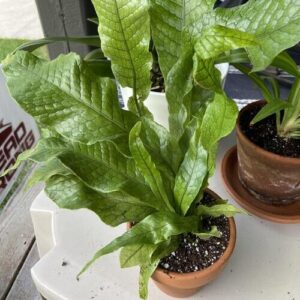
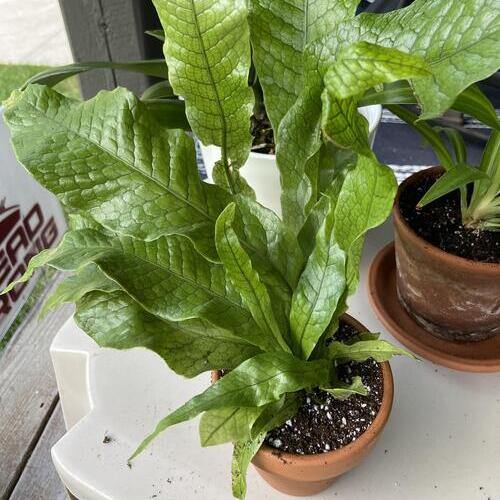
The Crocodile Fern is a striking epiphytic fern prized for its long, leathery fronds that display a deeply quilted, textured surface reminiscent of reptilian skin, which is how the plant earned its common name. It belongs to the genus Microsorum, a group of ferns native to the tropical regions of Southeast Asia and the western Pacific, and the cultivar ‘Crocodyllus’ is a selection of Microsorum musifolium chosen specifically for its bold, undulating leaf texture. In its native habitat, the Crocodile Fern grows attached to tree trunks and branches in humid rainforest understories, where it receives filtered light and consistently high atmospheric moisture.
The fronds of this fern are undivided and strap-shaped, often reaching two to three feet in length in mature specimens, and they emerge in a rosette pattern from a creeping rhizome. The deep green coloration paired with the raised, corrugated veining gives the plant a dramatic, almost prehistoric appearance that has made it a sought-after specimen among collectors of unusual foliage plants. Unlike many popular houseplant ferns, the Crocodile Fern tends to be somewhat more tolerant of average indoor humidity, although it still performs best when moisture levels are elevated.
As an epiphyte, the Crocodile Fern does not rely on soil in the traditional sense in the wild, instead anchoring its rhizome to bark and absorbing nutrients from decomposing organic debris and rainfall. This growth habit informs many of its cultivation requirements, particularly its preference for a loose, well-aerated growing medium and its sensitivity to waterlogged conditions. The plant is non-flowering, reproducing instead through spores produced on the underside of mature fronds, a reproductive strategy typical of ferns.
Crocodile Fern Care & Growing Guide
Caring for the Crocodile Fern involves recreating the warm, humid, filtered-light conditions of a tropical rainforest canopy. This fern thrives when given bright indirect light, consistently moist but not soggy growing medium, and humidity levels above average household conditions. It is considered a moderately easy plant for growers who already have some experience with tropical foliage, though its need for elevated humidity can make it more challenging in dry climates or heated indoor environments during winter.
A well-draining, chunky substrate that mimics the loose organic debris the fern would find on a tree trunk in the wild is essential to prevent root rot. Regular watering that keeps the medium evenly moist, paired with attentive monitoring of soil moisture between waterings, will support healthy frond production. Because the Crocodile Fern is an epiphyte, it also appreciates occasional misting or placement near a humidifier, especially in drier seasons.
Feeding should be light and consistent during the active growing season, using a diluted balanced fertilizer to avoid burning the fern’s relatively delicate root system. Repotting is typically needed only every couple of years, as the plant does not mind being slightly pot-bound. With stable warmth, consistent moisture, and protection from direct sun and cold drafts, the Crocodile Fern rewards growers with bold, textured foliage that makes a strong visual statement in any tropical plant collection.
Soil
The Crocodile Fern prefers a loose, chunky, well-aerated growing medium that mimics the organic debris it would root into on a tree trunk in the wild, rather than a dense potting soil. A mix of orchid bark, coarse perlite, sphagnum moss, and a small amount of standard potting mix creates the ideal balance of moisture retention and drainage. The ideal soil pH range is slightly acidic to neutral, roughly 6.0 to 7.0, which supports nutrient availability without stressing the root system.
Good drainage is critical, since this epiphytic fern’s roots are adapted to brief moisture exposure followed by drying rather than constant saturation. Amendments such as horticultural charcoal can help keep the mix fresh and reduce the risk of root rot, while added sphagnum moss helps retain enough moisture between waterings. Soil composition directly affects the plant’s vigor: a mix that is too dense will hold excess water and suffocate roots, while a mix that is too coarse will dry out too quickly and stress the plant.
Common soil problems to watch for include poor drainage leading to root rot, compaction over time as organic material breaks down, inappropriate pH locking out nutrients, salt build-up from fertilizer or tap water causing leaf tip burn, nutrient deficiencies showing as pale or yellowing fronds, and root boundness, which can stunt growth if the fern is left in too small a container for too long.
Fertilizer
Feed the Crocodile Fern with a balanced, water-soluble fertilizer diluted to about half strength, applied every four to six weeks during the active growing season in spring and summer. Fertilization should be reduced or paused entirely in fall and winter when growth slows. Signs of over-fertilization include browned or burnt frond tips and a crust of salts on the soil surface, while under-fertilization presents as pale green fronds and slowed or stunted growth.
Organic alternatives such as diluted fish emulsion or worm casting tea can provide a gentler nutrient source that is less likely to cause fertilizer burn. This fern benefits from a nitrogen-rich feed to support lush foliage growth, along with trace micronutrients, and can be prone to deficiency symptoms such as yellowing between leaf veins if potassium or magnesium levels are inadequate in the growing medium.
Watering
Water the Crocodile Fern when the top inch of the growing medium begins to dry out, keeping the mix evenly moist but never waterlogged. Rainwater, distilled water, or filtered water is preferred over hard tap water, since this fern can be sensitive to the mineral and chlorine content found in some municipal water supplies, which may cause leaf tip browning over time.
Signs of underwatering include crispy, curling frond edges and a generally droopy appearance, while overwatering typically presents as yellowing fronds, a mushy rhizome, or a sour smell from the growing medium indicating root rot. During the active growing season in spring and summer, the plant will need more frequent watering, while in fall and winter, watering frequency should be reduced as growth slows and the medium stays moist longer between waterings.
Crocodile Fern Watering Calculator
🪴 Precision Watering Intelligence
Science-Based Hydration for Your Collection
Stop guessing. Most houseplant failures are caused by volumetric errors and improper moisture tension. Our deterministic calculator moves beyond "once-a-week" watering by analyzing the four critical pillars of root health:
- • Transpiration Coefficients: 120+ species mapped by metabolic rate.
- • Substrate Porosity: Adjusts for Standard vs. Cactus/Well-Draining mixes.
- • Geometric Volume (V = π r² h): Calculates exact cups based on pot surface area.
- • The Drainage Factor: Accounts for pot material (Terracotta) and the risk of a perched water table.
Personalized for this plant
Disclaimer: Our calculator is pretty smart. We’ve crunched the numbers, but we’re not measuring the quantum state of your living room. Since we don’t know your exact indoor temperature, humidity, light, airflow, or whether your plant receives daily sweet nothings and motivational speeches, use this calculator as a guide—and always keep an eye on your plant.
Lighting
The Crocodile Fern thrives in bright, indirect light, similar to the dappled light it would receive beneath a rainforest canopy. Direct sun should be avoided, as it can scorch the broad, thin fronds. An east-facing window or a spot a few feet back from a bright south or west window works well indoors. Insufficient light leads to slow growth, smaller fronds, and a less pronounced textured quilting on the leaves, while excessive direct light causes bleached, brown, or crispy patches on the foliage.
If natural light is limited, growers can supplement with a full-spectrum grow light placed a couple of feet above the plant for several hours a day to encourage healthy frond development. Rotating the plant periodically also helps ensure even growth on all sides.
Temperature
The Crocodile Fern grows best in consistently warm temperatures between 65 and 80 degrees Fahrenheit (18 to 27 degrees Celsius). It has little tolerance for cold and should be protected from temperatures below 55 degrees Fahrenheit (13 degrees Celsius), as cold exposure can cause frond damage or dieback. Sudden temperature fluctuations and cold drafts from windows or air conditioning vents should be avoided. During colder months, keep the plant away from drafty windows and doors, and avoid placing it near heating vents that can dry out the surrounding air.
Humidity
The Crocodile Fern prefers elevated humidity levels, ideally in the range of 60 to 80 percent, reflecting its native rainforest habitat. In average indoor conditions with lower humidity, the fronds may develop crispy brown edges or fail to fully unfurl, signaling low humidity stress. Excessively high humidity combined with poor air circulation, on the other hand, can encourage fungal issues on the foliage.
To raise humidity, growers can use a room humidifier, which is the most effective and consistent method, place the pot on a pebble tray filled with water to create localized moisture around the plant, or group it with other humidity-loving plants. Misting can offer a temporary boost but is less effective long-term and should be paired with good airflow to prevent fungal problems on the textured fronds.
Propagation
The Crocodile Fern can be propagated primarily through rhizome division, and less commonly through spore propagation, which is slower and more suited to experienced growers. Division tends to have a higher success rate and produces establishable plants much faster than spore propagation, which can take many months to produce viable young ferns.
1. Choose a mature, healthy plant with multiple growth points along the rhizome.
2. Carefully remove the plant from its pot and gently loosen the root ball to expose the rhizome.
3. Identify a section of rhizome with at least one healthy frond and a portion of root attached.
4. Using a clean, sharp blade, cut through the rhizome to separate the section.
5. Allow the cut surface to callous for a few hours in a dry, shaded spot.
6. Plant the divided section into a well-draining, chunky fern mix similar to the parent plant.
7. Place in bright indirect light and maintain high humidity around the new division.
8. Keep the medium consistently moist but not waterlogged while roots establish.
9. New growth typically appears within four to eight weeks under favorable conditions.
The best time to propagate is during the spring or early summer growing season, when the plant has the energy reserves to recover quickly from division.
Potting
The Crocodile Fern does best in a pot with ample drainage holes, such as a terracotta or plastic nursery pot, paired with a chunky, well-aerated fern mix. Repotting is generally only needed every two to three years, as this fern tolerates being slightly pot-bound and can even benefit from snug conditions that support its epiphytic root structure.
Signs that repotting is needed include roots growing out of the drainage holes, water running straight through the pot without being absorbed, or visibly reduced growth despite good care. When repotting, minimal root pruning is usually necessary; only remove clearly dead or rotted roots. To transition the plant with minimal stress, repot during the active growing season, keep the new pot only slightly larger than the old one, and maintain consistent moisture and humidity for a few weeks afterward to help the fern settle in.
Pruning
When to Prune
The best time to prune the Crocodile Fern is during the active growing season in spring or summer, though dead or damaged fronds can be removed at any time of year.
Frequency and Purpose
Pruning is done as needed rather than on a strict schedule, primarily to remove yellowing, browning, or damaged fronds and to maintain the plant’s appearance and health.
Tools and Preparation
Use clean, sharp scissors or pruning shears sterilized with rubbing alcohol to prevent the spread of disease between cuts.
Step-by-Step Pruning Guide
- Inspect the plant and identify fronds that are yellowed, browned, or damaged.
- Sterilize your cutting tool with rubbing alcohol before starting.
- Trace the affected frond back to its base near the rhizome.
- Cut the frond cleanly at its base rather than partway along the leaf.
- Dispose of removed fronds rather than composting them if any disease is suspected.
- Wipe down tools again after finishing to avoid cross-contamination with other plants.
Aftercare
After pruning, maintain consistent watering and humidity to support new frond production, and monitor the plant for a few weeks to ensure no further decline appears.
Special Considerations
Avoid removing more than a small portion of the plant’s foliage at once, as over-pruning can stress the fern and slow its recovery.
Blooming
The Crocodile Fern does not produce flowers at any time of year, as ferns are non-flowering vascular plants that reproduce via spores rather than seeds. Instead of a bloom period, the plant has an active growth period, typically in spring and summer, during which new fronds unfurl from the rhizome. Spore production occurs on the undersides of mature, healthy fronds and can happen periodically throughout the year when growing conditions are favorable, appearing as small raised brown clusters called sori. There is no showy flower display associated with this species.
Pests and Diseases
Pests:
Common pests affecting the Crocodile Fern include mealybugs, scale insects, and spider mites. Mealybugs appear as small cottony white clusters typically found in leaf crevices, and symptoms include stunted growth and sticky honeydew residue on foliage; treatment involves wiping affected areas with isopropyl alcohol and applying insecticidal soap. Scale insects present as small brown or tan bumps on stems and frond undersides, causing yellowing and weakened growth; treatment includes manual removal and horticultural oil applications. Spider mites are tiny and often invisible until fine webbing appears, along with stippled or bronzed foliage; treatment involves increasing humidity, rinsing the foliage, and applying miticide or insecticidal soap as needed.
Diseases:
The most common disease issues are root rot and fungal leaf spot. Root rot results from overly wet, poorly draining soil and presents as mushy, blackened rhizome tissue and wilting or yellowing fronds; treatment requires removing affected tissue, repotting into fresh well-draining medium, and reducing watering frequency. Fungal leaf spot appears as dark, irregular spots on the fronds, often in conditions of high humidity with poor air circulation; treatment includes removing affected fronds, improving airflow, and applying a fungicide labeled for ferns if the problem persists.
Special Features
The Crocodile Fern stands out for its dramatically textured, deeply quilted foliage that resembles reptilian skin, making it a distinctive statement plant among tropical foliage collections. Its bold, glossy green leaves add strong visual interest without the need for flowers, and its epiphytic growth habit allows it to be mounted on bark or grown in hanging baskets in addition to traditional pots, giving collectors flexibility in how they display it. The plant is also relatively low-maintenance once its humidity and light needs are met, and its unique texture makes it a popular choice for adding contrast among smoother-leaved houseplants.
Plant Benefits
The Crocodile Fern is not widely recognized for specific herbal or pharmaceutical uses in mainstream practice, and it is primarily grown as an ornamental foliage plant rather than a medicinal one. Like many houseplants, it may offer minor general benefits associated with indoor greenery, such as adding humidity to a room and contributing to a calming indoor environment, though it should not be relied upon for any therapeutic or medicinal purpose.
Additional Information
The Crocodile Fern is sometimes confused with other Microsorum species due to similar leaf shapes, but the pronounced quilted texture of the ‘Crocodyllus’ cultivar sets it apart. It is increasingly available at specialty nurseries and through online tropical plant sellers as its popularity has grown among houseplant collectors seeking unusual foliage textures.
Life Cycle
As a fern, the Crocodile Fern follows a life cycle distinct from flowering plants, alternating between a spore-producing sporophyte stage, which is the leafy plant most growers are familiar with, and a separate, much smaller gametophyte stage that occurs during reproduction. Mature fronds develop spore clusters on their undersides, which, when released under favorable moist conditions, germinate into tiny heart-shaped gametophytes that eventually give rise to new sporophyte plants. In cultivation, most growers propagate via rhizome division rather than relying on this slower spore-based cycle, but under ideal greenhouse conditions, the full life cycle from spore to mature plant can take one to two years.
Are Crocodile Fern Poisonous, Toxic
The Crocodile Fern is generally regarded as non-toxic to cats and dogs, and it does not contain the compounds commonly associated with serious poisoning in pets. However, as with many houseplants, ingestion of any part of the fern, including the fronds or rhizome, may cause mild gastrointestinal upset in sensitive animals or children due to fibrous plant material irritating the digestive tract rather than any specific toxin. Symptoms, if they occur, are typically limited to mild vomiting, drooling, or diarrhea and usually resolve without intervention. Severity is considered low. If ingestion occurs and symptoms persist or worsen, contacting a veterinarian or pediatrician and, for pets, the ASPCA Animal Poison Control Center is recommended as a precaution. Preventive measures include keeping the plant out of reach of curious pets and small children and monitoring young animals that tend to chew on foliage.
Frequently Asked Questions
How often should I water a Crocodile Fern?
Water when the top inch of the growing medium starts to dry out, keeping it evenly moist but never soggy, and reduce frequency in fall and winter.
Is the Crocodile Fern toxic to cats or dogs?
The Crocodile Fern is considered non-toxic to cats and dogs, though ingestion of any plant material may cause mild stomach upset.
How much light does a Crocodile Fern need?
It prefers bright, indirect light and should be protected from direct sun, which can scorch its fronds.
Why are the leaves of my Crocodile Fern turning brown?
Browning frond edges are usually caused by low humidity, inconsistent watering, or mineral buildup from tap water.
What kind of soil does a Crocodile Fern need?
A chunky, well-draining mix of orchid bark, perlite, and sphagnum moss with a slightly acidic to neutral pH works best.
How do I propagate a Crocodile Fern?
The most reliable method is dividing the rhizome into sections with healthy fronds and roots, then potting each section in a well-draining fern mix.
Does the Crocodile Fern flower?
No, it is a non-flowering fern that reproduces through spores rather than seeds.
What humidity level does a Crocodile Fern prefer?
It thrives in humidity levels of 60 to 80 percent and benefits from a humidifier or pebble tray in drier environments.
How big does a Crocodile Fern get?
Mature fronds can reach two to three feet in length, making it a medium to large specimen plant.
How often should I fertilize a Crocodile Fern?
Feed with a half-strength balanced fertilizer every four to six weeks during spring and summer, and pause during fall and winter.
Can I grow Crocodile Fern in my indoor space
Difficulty: Intermediate
Size: Medium
Light: Medium
Water: Medium
Flowering: No
Pet Safe: Yes
Air Purifier: Low
Microsorum musifolium 'Crocodyllus' botanical details
Common Name: Crocodile Fern
Other Common Names: Crocodile Fern Fig, Musifolium Fern, Alligator Fern, Crocodyllus Fern
Botanical Name: Microsorum musifolium 'Crocodyllus'
Native Area: Southeast Asia, including Malaysia, Indonesia, and the Philippines, extending into parts of the western Pacific
Family Name: Polypodiaceae
Plant Type: Epiphytic perennial fern
Genus: Microsorum
Kingdom: Plantae
Photo Gallery
My Crocodile Fern Plant Care Recommendations
- Perky Plant fertilizer: https://amzn.to/3RdLA00
- Seaweed extract: https://amzn.to/3z2CsFh
- Rooting hormone: https://amzn.to/3bIXi0t
- Espoma fertilizer: https://amzn.to/3vPa9bs
- Worm compost: https://amzn.to/3HVL01u
- Full-spectrum Light Bulb-Large: https://amzn.to/3yR6VBu
- Full-spectrum Lighting: https://amzn.to/3qhhaiv
- Light meter: https://amzn.to/4dpmp3s
- Moisture meter: https://amzn.to/3TEUu5N
- Hygrometer: https://amzn.to/3Cf6h2F
- Pruning shears: https://amzn.to/3X6oOcg
- ProMix Potting Soil: https://amzn.to/3iVIrjE
- My Organic Green Gourmet Houseplant Fertilizer: Healthy Houseplants Store
- My Perfect Pumice: Healthy Houseplants Store
- My Healthy Houseplants Store: All Products
Buy Crocodile Fern Online
✅ “Bring Home This Beauty Today”
✅ “Get Your Own Crocodile Fern Before It’s Gone”
✅ “Shop Trusted Sellers – Limited Availability”
✅ “Free Delivery”
As an Amazon Associate, I earn commission from qualifying purchases.
Plant Puns and Jokes
Why did the Crocodile Fern win the houseplant beauty contest? Because it always had the most texture in the room.