About Sundew

Sundew Introduction

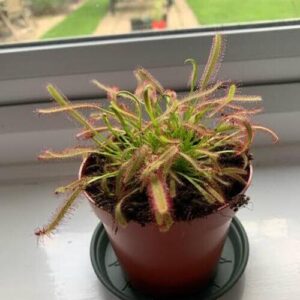
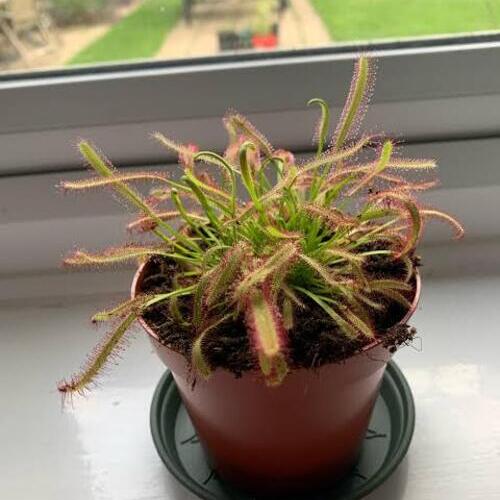
Sundews, belonging to the genus Drosera, are one of the largest genera of carnivorous plants, with over 250 recognized species distributed across nearly every continent except Antarctica. They are best known for their glistening, dew-covered leaves, which are not actually moisture but rather a sticky mucilage secreted by specialized glandular hairs called tentacles. This adaptation allows sundews to thrive in nutrient-poor, boggy, and acidic soils where few other plants can survive, since they supplement their nutrient intake by trapping and digesting small insects rather than relying solely on root uptake.

Native populations of Drosera are found in a remarkably wide range of habitats, from the temperate bogs of North America and Europe to the tropical wetlands of Southeast Asia, and especially in Australia, which hosts the greatest diversity of species. Depending on the species, sundews may grow as small rosettes only a few centimeters across, or as sprawling, climbing vines that reach over a meter in length. Some species, such as Drosera capensis from South Africa, are particularly popular in cultivation due to their ease of care and rapid growth, while others, like the pygmy sundews, remain more specialized and are prized by collectors.

Notable features of the sundew include its striking red or green tentacled leaves that curl inward when they capture prey, a slow but visible movement that has fascinated botanists since Charles Darwin’s detailed studies of the genus in the 19th century. Sundews also produce delicate, star-shaped flowers on tall, wiry stalks held above the sticky foliage, an adaptation that keeps pollinators safely away from the trap zone. Their combination of botanical curiosity, low-maintenance care, and striking appearance has made sundews a favorite among houseplant enthusiasts and carnivorous plant hobbyists alike.

Sundew Care & Growing Guide

Caring for a sundew is more approachable than many people expect, provided a few key environmental needs are met. The most important factors are bright light, consistently moist and mineral-free soil, and high humidity. Unlike most houseplants, sundews should never be fertilized through the soil or given tap water, since mineral salts and excess nutrients can damage their sensitive root systems. Instead, they are best watered with distilled water, reverse osmosis water, or clean rainwater, kept in a shallow tray so the growing medium stays constantly damp.

Sundews thrive in a nutrient-poor, well-draining but moisture-retentive medium, typically a mix of peat moss (or a peat alternative) and horticultural sand, which mimics the boggy conditions of their native habitat. Regular potting soil or anything containing fertilizer or lime should be strictly avoided, as it will quickly kill the plant. Placement near a sunny, south- or west-facing window, or under a grow light for 12 to 16 hours a day, will encourage the plant to produce abundant dew and vibrant coloration, which is a good visual indicator of plant health.

Beyond light and water, sundews benefit from feeding, though this is optional since they can capture their own prey if kept outdoors or near an open window. Indoors, hobbyists often supplement feeding with small dead insects, freeze-dried bloodworms, or a diluted foliar fertilizer applied directly to the leaves in tiny amounts. With the right balance of moisture, light, and occasional feeding, sundews are forgiving, low-maintenance plants that reward attentive growers with continuous, fascinating growth throughout the year.

 Soil Soil

Sundews require a nutrient-poor, acidic growing medium that mimics the boggy wetlands they originate from. The standard mix is one part peat moss (or a sustainable peat alternative such as coco coir blended with sphagnum) to one part coarse horticultural sand or perlite, avoiding any soil that contains added fertilizer, lime, or mineral amendments. The ideal pH range is acidic, roughly 4.0 to 6.0, and the medium should remain consistently damp but never waterlogged to the point of anaerobic stagnation.

Because sundews evolved to obtain nutrients from prey rather than soil, rich or fertilized soil is actively harmful and can cause root burn or death. Common soil problems include salt build-up from tap water or fertilizer, which manifests as blackened leaf tips and stunted growth; compaction, which reduces oxygen to the roots and should be corrected by repotting into a looser peat-sand mix; and inappropriate pH from using standard potting soil, which disrupts the plant’s ability to take up water. Poor drainage leading to constant standing water above the soil surface (rather than in a shallow tray beneath the pot) can cause rot, while root-boundness in mature plants is addressed through division or repotting every one to two years into a slightly larger container with fresh medium.

 Fertilizer Fertilizer

Sundews should never be fertilized through the soil, as their roots are highly sensitive to mineral salts and excess nutrients found in standard fertilizers, which can quickly kill the plant. Instead, feeding is done directly on the leaves, either by letting the plant catch its own insects outdoors or near an open window, or by placing tiny amounts of freeze-dried bloodworms, small dead insects, or a heavily diluted foliar orchid fertilizer (typically diluted to around 1/4 strength or less, applied with a fine brush directly onto a few leaves) roughly once every two to four weeks during active growth. Signs of overfeeding include blackened, rotting leaves where food was placed, while underfeeding simply results in slower growth without any dew production issues, since sundews can survive and grow using only photosynthesis if unfed. Organic alternatives include small pieces of freeze-dried daphnia or bloodworms sold for aquarium use, which provide a safe nutrient boost without introducing soil-damaging salts.

 Watering Watering

Sundews should be kept constantly moist, using the tray method: set the pot in a shallow saucer of water so the soil wicks up moisture as needed, keeping roughly half an inch to one inch of standing water in the tray at all times during the growing season. Only distilled water, reverse osmosis water, or clean rainwater should be used, since tap water minerals and chlorine build up in the soil over time and damage the roots. Signs of underwatering include dried-out, crispy leaf tips and a lack of the glistening dew droplets that give the plant its name, while overwatering is less common given their bog origin but can occur if the medium becomes stagnant and anaerobic, leading to blackened, rotting crowns. During active growth in spring and summer, keep the tray consistently filled; in winter dormancy for temperate species, reduce standing water and allow the soil to stay just barely moist.

Sundew Watering Calculator

🪴 Precision Watering Intelligence

Science-Based Hydration for Your Collection

Stop guessing. Most houseplant failures are caused by volumetric errors and improper moisture tension. Our deterministic calculator moves beyond "once-a-week" watering by analyzing the four critical pillars of root health:

  • • Transpiration Coefficients: 120+ species mapped by metabolic rate.
  • • Substrate Porosity: Adjusts for Standard vs. Cactus/Well-Draining mixes.
  • • Geometric Volume (V = π r² h): Calculates exact cups based on pot surface area.
  • • The Drainage Factor: Accounts for pot material (Terracotta) and the risk of a perched water table.

Personalized for this plant

6"
🪴
--
approx. every --

Disclaimer: Our calculator is pretty smart. We’ve crunched the numbers, but we’re not measuring the quantum state of your living room. Since we don’t know your exact indoor temperature, humidity, light, airflow, or whether your plant receives daily sweet nothings and motivational speeches, use this calculator as a guide—and always keep an eye on your plant.

 Lighting Lighting

Sundews need bright, direct to intense indirect light for at least 6 to 8 hours a day, ideally supplemented to 12–16 hours under a grow light if grown indoors. A sunny, unobstructed south- or west-facing windowsill works well in most climates. Insufficient light causes the tell-tale sticky dew to dry up, leaves to elongate and become pale green, and overall growth to become leggy and weak. Excessive, unfiltered light in very hot climates can occasionally scorch leaves, though most sundews tolerate intense sun far better than typical houseplants and actually develop more vivid red coloration with stronger light. If natural light is inadequate, a full-spectrum LED grow light positioned 6 to 12 inches above the plant for 12 to 16 hours daily will maintain healthy dew production and compact growth.

 Tempature Temperature

Temperate sundew species thrive between 60-80°F (15-27°C) during the growing season and tolerate a cooler winter dormancy down to near freezing, while tropical and subtropical species such as Drosera capensis prefer a steadier 65-85°F (18-29°C) year-round without a strong dormancy requirement. Most sundews handle moderate temperature fluctuations well, but sudden cold snaps below 40°F (4°C) for non-dormant tropical types can cause damage, and prolonged heat above 95°F (35°C) combined with low humidity can stress the plant. To protect sundews from extremes, move potted specimens indoors or to a sheltered spot during frost warnings or heat waves, and avoid placing them near drafty windows, air conditioning vents, or heating registers that cause rapid temperature swings.

 Humidity Humidity

Most sundews prefer moderate to high humidity, generally in the 50 to 80 percent range, though many common species like Drosera capensis adapt reasonably well to average indoor humidity if watering is consistent. Low humidity can cause the sticky dew droplets to dry out faster than the plant can replenish them, reducing its ability to catch prey and giving leaves a duller, less glistening appearance. Symptoms of low humidity stress include shriveled tentacles and slowed growth, while excessively high humidity with poor airflow can occasionally encourage fungal issues on the crown. Effective humidifying methods include growing the plant in a terrarium or under a humidity dome, using a room humidifier nearby, or placing the pot on a pebble tray filled with water; misting is less effective for sundews specifically since their humidity needs are better met by ambient moisture and the water tray beneath the pot.

 ropagation Propagation

Sundews can be propagated through several methods, with leaf cuttings and seed being the most common for home growers, and division being useful for clumping or rosette-forming species. Leaf cuttings tend to have the highest success rate for most Drosera species, often exceeding 70 to 90 percent under good conditions, while seed propagation has a lower and slower success rate but allows for large numbers of new plants.

1. Select a healthy, mature leaf from the plant, ideally one that is fully colored and producing good dew.
2. Using clean, sharp scissors or a blade, cut the leaf close to its base.
3. Lay the leaf horizontally on top of moist peat-sand propagation mix, pressing it gently so the underside makes contact with the medium.
4. Place the tray in a humidity dome or clear plastic bag to maintain high moisture and humidity.
5. Keep in bright, indirect light and maintain constant moisture using distilled or rainwater in the tray beneath.
6. Small plantlets will begin emerging from the leaf margins within 3 to 6 weeks.
7. Once plantlets have several leaves of their own, gently separate and transplant them into individual small pots with standard sundew mix.
8. Continue high humidity care for another few weeks until the new plants are established and producing dew independently.

The best time to propagate is during the active growing season in spring or early summer, when warmth and light encourage faster rooting. New plantlets typically take two to four months to become independent, established plants capable of normal watering routines, while root division of mature clumping species can produce viable new plants almost immediately with minimal transplant shock.

 Potting Potting

Sundews do best in plastic pots rather than terracotta, since plastic retains moisture better and won’t wick away water needed for the tray method; pots should have drainage holes and be sized only slightly larger than the root system to avoid excess wet medium. The ideal soil composition is a 1:1 mix of peat moss (or peat alternative) and horticultural sand or perlite, free of fertilizers or lime. Repotting is generally needed every one to two years, or when roots begin circling densely at the drainage holes or the plant outgrows its container.

Signs that a sundew needs repotting include stunted new growth, roots visibly emerging from drainage holes, or soil that has broken down and become compacted, reducing aeration. Root pruning is rarely necessary for most Drosera species since their root systems are typically fine and shallow, though overly long roots on mature plants can be lightly trimmed during repotting. To transition a sundew to a new pot with minimal stress, gently ease the rootball out, place it into fresh moistened medium at the same depth it was previously growing, and immediately return it to a humid, bright environment with the water tray refilled to help it settle in quickly.

 Pruning Pruning

Best Time to Prune

Pruning is best done during active growth in spring or summer, though dead or blackened leaves can be removed at any time of year.

Frequency

Light pruning of spent or dead leaves can be done every few weeks as needed; major shaping is rarely required since sundews naturally maintain a tidy rosette or trailing form.

Purpose

Pruning removes dead, blackened, or non-productive leaves to improve airflow, reduce the risk of fungal issues, and redirect the plant’s energy toward healthy new growth.

Tools and Preparation

Use clean, sharp micro-scissors or fine-tipped tweezers, and sterilize them with rubbing alcohol before and after use to prevent spreading disease.

Step-by-Step Guide

  1. Inspect the plant and identify leaves that are fully blackened, dried, or rotting.
  2. Using sterilized scissors, snip the dead leaf as close to the base or stem as possible without disturbing healthy tissue.
  3. Remove the cut leaf from the growing medium to prevent fungal buildup.
  4. For trailing species, trim overly long or leggy stems to encourage bushier growth if desired.
  5. After pruning, keep the plant in its normal bright, humid conditions and avoid fertilizing the cut area.

Aftercare

Maintain consistent moisture and humidity after pruning; new leaves typically emerge from the center within a few weeks.

Special Considerations

Avoid removing healthy, dew-covered leaves even if they look unusual, since active traps are a sign of a thriving plant, not a problem.

 Blooming Blooming

Most sundew species bloom in spring through summer, with individual flowering periods lasting several weeks depending on species and climate. Flowers are typically small, star-shaped, and range from white to pink or purple, opening only in bright sunlight and often closing by midday. Blooming is triggered by long daylight hours and warm temperatures, and flower stalks rise well above the sticky leaves to keep pollinating insects safe from the traps below. Some tropical and subtropical species can flower nearly year-round under stable indoor conditions.

 Pests & Diseases Pests and Diseases

Pests

Name: Aphids

Symptoms: Clusters of small insects on flower stalks or new growth; sticky residue distinct from the plant’s own dew; distorted new leaves.

Treatment: Manually remove with a cotton swab dipped in diluted rubbing alcohol, rinse gently with distilled water, and isolate the plant until resolved. Avoid chemical pesticides, which can harm the plant’s sensitive traps.

Name: Mealybugs

Symptoms: Small white, cottony masses typically at leaf bases or the crown; weakened, stunted growth.

Treatment: Dab affected areas with a cotton swab soaked in diluted alcohol, and improve airflow around the plant to discourage recurrence.

Name: Fungus gnats

Symptoms: Small flying insects around the soil surface; larvae may feed on roots of stressed plants.

Treatment: Allow the top layer of medium to dry slightly between waterings where possible, use yellow sticky traps, and ensure the growing medium isn’t overly waterlogged at the surface.

Diseases

Name: Botrytis (gray mold)

Symptoms: Fuzzy gray mold on leaves or crown, usually in cool, stagnant, overly humid conditions.

Treatment: Improve air circulation, remove affected leaves immediately with sterilized scissors, and avoid misting directly onto the crown.

Name: Root rot

Symptoms: Blackened, mushy crown or roots, foul smell, sudden collapse of the plant.

Treatment: Remove the plant from standing water immediately, trim away rotted tissue, and repot into fresh, well-draining peat-sand medium.

Name: Algae growth

Symptoms: Green film on the soil surface or in the water tray, competing with the plant for resources and reducing medium aeration.

Treatment: Empty and refresh the water tray regularly, increase light levels, and scrape visible algae from the soil surface if it becomes excessive.

 Special Features Special Features

Sundews are celebrated among plant enthusiasts primarily for their astonishing carnivorous adaptation: glistening, dew-tipped tentacles that lure, trap, and digest small insects, offering a rare glimpse of visible plant movement as the leaf slowly curls around its prey. This makes them a favorite educational plant for children and hobbyists alike, and a popular natural alternative to chemical flypaper and pest control in greenhouses and sunrooms. Beyond their functional novelty, many species display brilliant red, pink, or orange coloration in bright light, adding ornamental value to windowsills and terrariums. Their delicate, star-shaped flowers provide additional seasonal interest, and their compact size makes them well suited to small spaces, bog gardens, and mixed carnivorous plant displays.

 Benefits Plant Benefits

While sundews are not widely used in modern mainstream medicine, some species have a history in traditional and folk herbalism. Drosera has historically been used in European and other traditional preparations aimed at soothing coughs, and extracts from certain species have been studied for compounds with mild antimicrobial and antispasmodic properties. Some herbal cough syrups and lozenges, particularly in European traditional medicine, have historically included Drosera extract as an ingredient. However, these uses are largely historical or found in complementary/alternative preparations rather than established, clinically validated pharmaceutical treatments, and anyone considering herbal use should consult a qualified healthcare provider.

  Additional Information Additional Information

Sundews have played a notable role in botanical history, most famously through Charles Darwin’s 1875 book Insectivorous Plants, in which he documented detailed experiments on Drosera’s trapping mechanism and digestive responses. Today they remain popular subjects in both scientific research on plant movement and carnivory, and in the hobbyist carnivorous plant community, where growers cultivate hundreds of species and hybrids ranging from beginner-friendly types to highly specialized pygmy and tuberous species.

  Lifecycle Life Cycle

Sundews germinate from tiny dust-like seeds or emerge from leaf/root cuttings, first forming a small rosette of dew-covered leaves. As the plant matures over several months to a couple of years depending on species, it develops the characteristic sticky tentacled foliage used for trapping prey and grows a flowering stalk once mature, typically blooming in spring or summer. Many temperate species undergo a winter dormancy period, dying back to a resting bud called a hibernaculum before regrowing in spring, while tropical species may grow continuously year-round. Mature plants can live for several years, propagating naturally through seed dispersal, and in cultivation are often divided or leaf-propagated to produce new individuals indefinitely.

  Plant ToxicityAre Sundew Poisonous, Toxic

Sundews are considered non-toxic to cats, dogs, and humans, including children. No part of the plant—including the sticky mucilage on the leaves—contains compounds known to be poisonous if touched or ingested in typical household exposure. The primary risk to pets is mechanical rather than chemical: curious cats or small dogs may chew on the foliage, which can cause mild gastrointestinal upset (vomiting or diarrhea) purely from ingesting plant matter, not from toxins. Severity is generally very low. If a pet ingests a significant amount, monitor for vomiting, drooling, or lethargy, offer fresh water, and contact a veterinarian if symptoms persist beyond 24 hours or worsen. As a preventive measure, keep the plant on a high shelf or terrarium out of reach of pets prone to chewing houseplants, and avoid using any fertilizer or pesticide on the plant that could introduce actual toxicity.

 FAQ Frequently Asked Questions

What is a sundew plant?

A sundew is a carnivorous plant in the genus Drosera, known for its sticky, dew-covered leaves that trap and digest small insects.

Are sundews safe for pets?

Yes, sundews are considered non-toxic to cats and dogs, though ingestion of plant matter can cause mild stomach upset.

How do you water a sundew?

Sundews should be watered with distilled, reverse osmosis, or rainwater kept in a shallow tray so the soil stays constantly moist, never with tap water.

Do sundews need fertilizer?

Sundews should never be fertilized through the soil; they get nutrients by catching insects and can optionally be fed tiny amounts of insects or diluted foliar fertilizer directly on the leaves.

How much light does a sundew need?

Sundews need bright, direct to intense indirect light for at least 6 to 8 hours a day, or 12 to 16 hours under a grow light.

What soil is best for sundews?

A nutrient-poor, acidic mix of peat moss and horticultural sand or perlite, free of fertilizer or lime, works best for sundews.

Why is my sundew not producing dew?

Lack of dew is usually caused by insufficient light or low humidity; increasing light exposure and humidity typically restores dew production.

How do you propagate a sundew?

Sundews are commonly propagated from leaf cuttings placed on moist peat-sand medium under high humidity, with new plantlets emerging within a few weeks.

Do sundews need a dormancy period?

Many temperate sundew species need a cool winter dormancy, while tropical and subtropical species like Drosera capensis can grow year-round without one.

How big do sundews get?

Most sundews stay small, forming compact rosettes a few centimeters to about 30 centimeters wide, though some climbing species can grow much longer.

Can I grow this plant in my indoor spaceCan I grow Sundew in my indoor space

Difficulty: Easy

Size: Small

Light: High

Water: High

Flowering: Yes

Pet Safe: Yes

Air Purifier: Low

Can I grow this plant in my indoor spaceDrosera spp. botanical details

Common Name: Sundew

Other Common Names: Sundew, Round-leaved Sundew, Cape Sundew, Dew Plant, Youth-wort, Red Rot

Botanical Name: Drosera spp.

Native Area: Worldwide, with the greatest species diversity in Australia; also native to North America, South America, Europe, Africa, and Southeast Asia, typically in bogs, marshes, and nutrient-poor wetlands.

Family Name: Droseraceae

Plant Type: Perennial (some species annual or biennial); carnivorous herbaceous plant

Genus: Drosera

Kingdom: Plantae

 Photo Gallery Photo Gallery

 Care recommendationsMy Sundew Plant Care Recommendations

  •   Buy onlineBuy Sundew Online

    “Bring Home This Beauty Today”

    “Get Your Own Sundew Before It’s Gone”

    “Shop Trusted Sellers – Limited Availability”

    “Free Delivery”

    Sundew Drosera Plant Care
    Sundew Drosera Plant Care

    As an Amazon Associate, I earn commission from qualifying purchases.

      Plant Joke Plant Puns and Jokes

    Why did the sundew get invited to every party? Because it always knows how to catch a fly on the wall.

    Newsletter Signup Signup to our newsletter and download Sundew care guide

    AI Julie Chatbot, ask me!
    Let's ask AI Julie
    Chatbot Icon