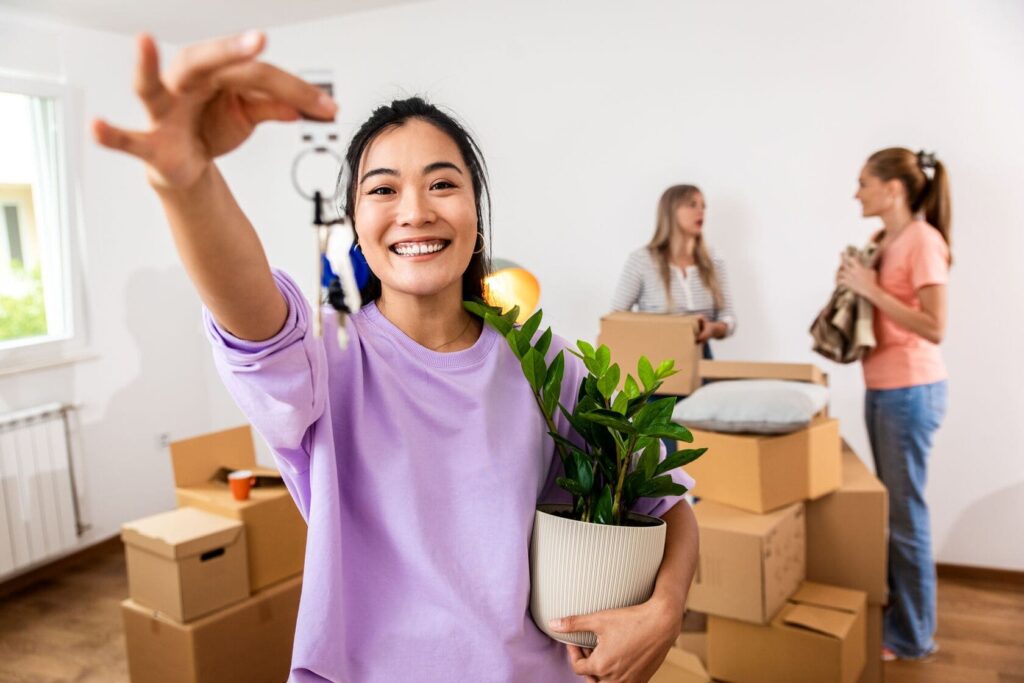
Of everything you pack for a move, your houseplants are the only cargo that is alive. They bruise, they drop leaves when stressed, and they cannot spend two days in a dark, broiling truck without irreversible damage.
With a little planning, though, your indoor garden can make the trip and settle happily into its new home. Here is how to move your plants without losing them along the way.
Know That Movers Usually Won’t Take Your Plants
Most professional movers will not transport live plants, and for good reason. A moving truck has no light, swings between hot and cold, and long-distance loads can run afoul of agricultural rules about carrying plants across state lines.
The smart division of labor is to let a moving company like ZeroMax Moving and Storage handle the furniture and boxes while you personally carry your plants in your own vehicle. That way the heavy lifting is off your plate, and your greenery rides with the one person who actually cares whether it survives.
Prep Your Plants a Week Ahead
A few days out, give each plant a light grooming. Trim dead or damaged leaves, check under the foliage for pests you don’t want to bring to the new place, and water so that on moving day, the soil is lightly moist, not soggy, and not bone dry.
Resist the urge to repot right before you move. Repotting and moving are each a shock on their own and stacking them doubles the stress. Save any repotting for after the plant has settled in to its new home.
Pack Houseplants for the Trip
Move indoor plants in lightweight plastic nursery pots when you can, and leave heavy ceramic planters empty for the truck. Wrap each pot in a plastic bag secured around the base to keep the soil in, then loosely sleeve larger plants in paper to protect the leaves.
Stand the pots upright in sturdy boxes, wedging them with towels or packing paper so they cannot tip. And leave the box tops open so the plants can breathe.
Give Your Indoor Garden the Right Ride
Your car, not the moving truck, is the right vehicle for plants, because it stays within a livable temperature range. Load houseplants last so they spend the least time in transit. Keep them out of direct sun shining on the seats, and never leave them in a closed, parked car in heat or cold. On a long move, bring them into the hotel with you overnight rather than leaving them out in the vehicle.
Help Houseplants Recover After the Move
Expect a little sulking from your houseplants after the move. Some leaf drop and drooping in the first couple of weeks is normal as plants adjust to new light, humidity, and temperature. Reintroduce them to bright spots gradually rather than parking a shade-adjusted plant in a blazing window.
A move is stressful for anything with roots, but your plants have survived worse on a drafty windowsill. Prep them early, drive them yourself, and give them a gentle landing, and the houseplant collection that made your old place feel alive will do the same for the new one.
Julie Bawden-Davis is a best-selling garden author, blogger, YouTuber and Master Gardener dedicated to sharing indoor gardening expertise with aspiring gardeners. She has published several gardening books and more than 5,000 articles in major publications. A former garden columnist for the LA Times, San Francisco Chronicle and Parade.com, she is founder of HealthyHouseplants.com and its YouTube channel.
 Julie Bawden-DavisSeptember 9, 2026