A home filled with greenery can feel luxurious, yet an indoor garden does not require constant shopping. Houseplant propagation creates new plants from specimens you already own. With patience and reused containers, one healthy houseplant can become several.
That matters when every purchase needs careful thought. A pothos cutting or spider plant offset can replace another store visit. The process also reduces waste and develops practical gardening skills.
Why Houseplant Propagation Fits a Tight Budget
Propagation is a simple form of budget gardening. It turns existing growth into future plants without specialist equipment. Water, clean scissors, suitable light, and a basic container are often enough.
One Plant Can Keep Producing Value
Popular indoor varieties respond well to trimming. Pothos, philodendrons, tradescantia, coleus, and spider plants can supply new cuttings throughout the year.
A mature parent plant may eventually provide greenery for several rooms. It can also replace a damaged specimen without another purchase. Over time, the original plant becomes far more valuable.
Slow growth also discourages impulsive decorating. You build your collection gradually, while each new root becomes part of the experience.
Propagation Reduces Hidden Plant Costs
Decorative pots, delivery charges, fresh compost, and replacement specimens can make a small purchase surprisingly expensive.
Young cuttings fit into reused nursery pots and need less potting mix than mature store-bought plants. Avoiding several purchases protects money needed for rent, groceries, transport, or household bills.
The habit of comparing costs can be useful well beyond a plant collection. Once you start looking at how individual expenses add up, the same way of thinking can help make more complicated financial ideas easier to follow.
This can be particularly useful for students working through accounting topics, where understanding how individual figures contribute to a larger calculation can make difficult concepts easier to grasp. When a topic becomes difficult to follow, learners can get extra support with accounting homework and work through unfamiliar calculations more confidently.
Gardeners can apply the same principle on a smaller scale by comparing the cost of soil, containers, and other supplies with the price of buying new plants, making it easier to see how much propagation can save over time.
Easy Propagation Methods for Common Houseplants
Plants reproduce in different ways. Before cutting, check whether your variety grows from stems, leaves, offsets, or division. Healthy material forms roots more reliably and limits pest problems.
Root Stem Cuttings in Water
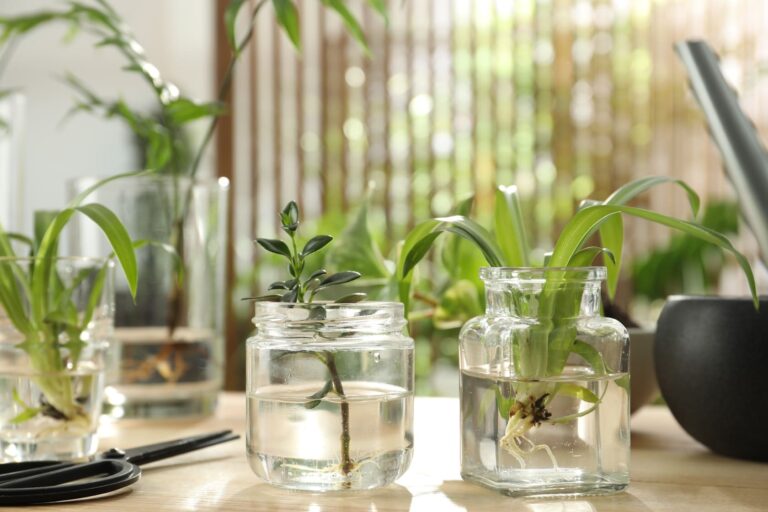
Water propagation is popular because root development remains visible. It works well for pothos, heartleaf philodendron, monstera, coleus, and many trailing plants.
Cut just below a node, where new roots usually emerge. Remove foliage that would sit underwater, then place the stem in a clean glass.
Keep the container in bright, indirect light. Replace cloudy water and refill the glass after evaporation. Once several roots appear, transfer the cutting into a small pot.
You do not need a decorative propagation station. Most useful supplies may already be available at home:
clean glass jars or narrow bottles;
reused nursery pots with drainage holes;
sharp scissors or pruning shears;
fresh water at room temperature;
a small amount of suitable potting mix.
These items can support many rounds of rooting. Washing them between uses helps prevent bacteria, rot, and fungal problems.
Divide Mature Plants or Separate Offsets
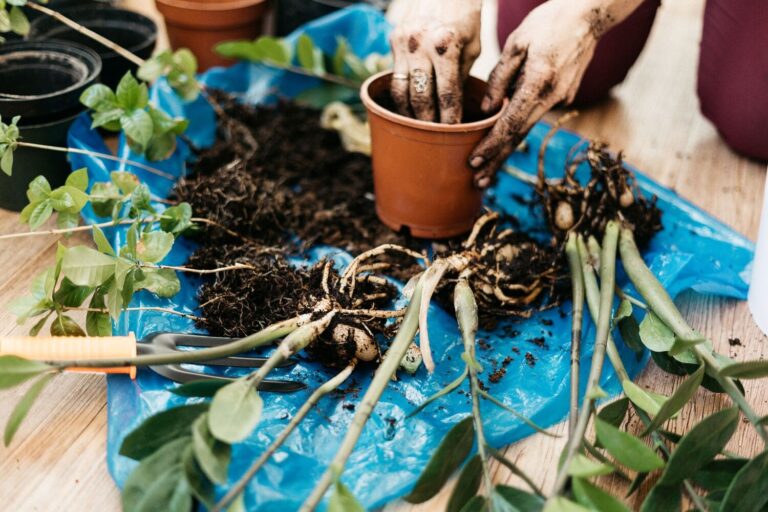
Snake plants, peace lilies, ferns, and ZZ plants may be divided while repotting. Each section needs healthy roots and enough foliage to recover.
Spider plants and aloe often produce offsets. Remove these baby plants once they have enough growth to survive independently. Their established roots usually make recovery quicker.
Succulents may grow from healthy leaves. Let the cut end dry before placing it in a gritty growing medium. Excess moisture can cause decay before roots form.
Take only a few strong pieces at once. Heavy cutting can weaken the parent and turn a money-saving project into a replacement purchase.
How to Keep Propagation Costs Close to Zero
Propagation saves money when the process stays simple. Focus on plant health rather than decorative accessories. Roots do not care whether their container came from a design shop.
Reuse Safe Household Containers
Glass jars work well for water rooting. Yogurt cups and takeaway tubs can become temporary pots after you add drainage holes.
Old saucers and food trays can protect shelves from moisture. Cardboard labels record plant names and starting dates without adding another purchase.
Wash every item thoroughly. Avoid containers that once held paint, strong cleaning products, or other harmful chemicals.
Follow a Careful, Repeatable Routine
A consistent method improves results without increasing expenses. The following steps suit many plants grown from stem cuttings:
Choose a healthy parent plant without pests or disease.
Find a stem section with at least one visible node.
Make a clean cut using sanitized scissors.
Remove every leaf that would sit below the waterline.
Place the cutting in bright, indirect light.
Check weekly for rot, cloudiness, or low water.
Pot the cutting after a robust root system develops.
Some varieties root within weeks, while others need longer. Patience prevents damaged stems, unnecessary products, and repeated attempts.
Choose a Sensible Pot Size
An oversized planter can hold too much moisture around a small root system. Damp, airless soil increases the risk of root rot.
Choose a container only slightly larger than the roots. Small pots use less growing medium and fit easily on shelves or windowsills.
Repot only when growth demands more space. Practical upgrades cost less than placing every cutting in a decorative planter immediately.
Turn New Plants into Everyday Savings
New plants can replace décor purchases, support gift-giving, and create opportunities for free exchanges. These benefits suit students, renters, and households managing unpredictable expenses.
Decorate Slowly with What You Grow
A propagated plant can brighten a desk, kitchen shelf, or bathroom ledge without another shopping trip. Several cuttings planted together may create a fuller display.
Matching containers are unnecessary. A varied collection often looks more personal, especially when pots share a neutral finish or similar shape.
Moving greenery between rooms also refreshes a space for free. Keep each variety’s light and humidity needs in mind.
Swap Cuttings Instead of Buying Varieties
Plant swaps provide diversity without retail prices. Friends, neighbors, classmates, and local gardening groups may exchange rooted cuttings, offsets, or divisions.
Offer healthy, pest-free material and label it clearly. Honest care information makes the exchange safer and more useful.
Swapping can introduce species that once felt too expensive. It also prevents one fast-growing plant from overwhelming a small home.
Grow Affordable, Personal Gifts
A rooted cutting can become a thoughtful birthday, housewarming, or holiday present. The gift feels personal because you raised it yourself.
Reuse a clean pot, add a handwritten care card, and choose an easy variety for beginners. This replaces rushed gift shopping with something meaningful and budget friendly.
Common Mistakes That Cancel the Savings
Repeated losses often come from preventable problems, including poor hygiene, unsuitable light, and excessive water. Small adjustments protect both the cutting and the original specimen.
Avoid Weak or Pest-Damaged Growth
A struggling plant is not the best propagation source. Unhealthy material may root slowly, fail completely, or carry insects into nearby containers.
Inspect stems, foliage, and soil before cutting. Treat infestations first, then wait for fresh, vigorous growth.
Do Not Move Cuttings Too Early
Tiny roots can struggle after moving from water to potting mix. Wait until several roots have formed, rather than relying on one fragile strand.
Keep the compost lightly moist during the first adjustment period. Never flood the pot, since oxygen must still reach the developing roots.
Skip Extras Until They Solve a Real Problem
Rooting powders, heat mats, specialist vessels, and premium substrates can be useful. Most beginners do not need every accessory.
Start with the cheapest suitable method. Buy additional supplies only when a specific plant or repeated problem justifies the expense.
Build a Greener Home Without Stretching Your Budget
Houseplant propagation rewards patience more than spending. A healthy cutting, reused container, and sensible care can produce a strong new plant.
Over time, you can fill empty spaces, replace damaged specimens, trade varieties, and prepare inexpensive gifts. One established plant becomes a renewable source of greenery.
For anyone on a tight budget, that value is difficult to ignore. You save money while gaining useful skills and creating a more personal home.
Julie Bawden-Davis is a best-selling garden author, blogger, YouTuber and Master Gardener dedicated to sharing indoor gardening expertise with aspiring gardeners. She has published several gardening books and more than 5,000 articles in major publications. A former garden columnist for the LA Times, San Francisco Chronicle and Parade.com, she is founder of HealthyHouseplants.com and its YouTube channel.
 Julie Bawden-DavisAugust 28, 2026