Student life rarely leaves much room for complicated plant care. Classes, assignments, part-time work, and social plans can fill every week.
However, a little greenery can make a dorm room or apartment feel warmer and more personal. The right plant adds character without becoming another demanding responsibility.
Low-maintenance houseplants suit students who travel, forget watering days, or study late during exam season. Hardy varieties can handle imperfect routines and ordinary indoor conditions.
Why Easy-Care Indoor Plants Suit Student Life
Beginner-friendly houseplants do not need constant attention. Many tolerate missed watering, average humidity, and changing light throughout the academic year.
That flexibility matters in student housing. Bedrooms may have small windows, dry heating, crowded shelves, or limited space for large containers.
What Low Maintenance Really Means
A resilient plant should match your room and daily habits. No living plant is effortless, but some species forgive common beginner mistakes.
Look for practical qualities that reduce weekly care such as the following:
low or moderate light tolerance;
infrequent watering needs;
resilience after missed care;
compact growth for desks and shelves;
simple feeding and repotting requirements.
These features make indoor gardening realistic during deadlines and examinations. They also reduce damage caused by excessive attention.
That flexibility matters when coursework suddenly becomes demanding. A major research project can absorb several evenings, leaving less time for routine plant care. During especially busy weeks, some students may decide to hire research paper writer to organize their workload and regain a more manageable schedule. A resilient plant can handle a delayed watering session, so academic pressure doesn’t turn indoor gardening into another source of stress.
Match the Plant to Your Room
Before buying any houseplant, observe your space during the day. Notice where direct sun falls and where softer, indirect light remains.
Check whether the chosen corner feels warm, drafty, humid, or unusually dry. A suitable position often matters more than an ambitious maintenance plan.
Best Low-Maintenance Houseplants for Busy Students
The following plants cope well with demanding schedules and typical indoor environments. Choose according to available light, free space, and your usual watering habits.
1. Snake Plant
The snake plant is among the toughest options for student rooms. Its upright leaves fit narrow corners, desks, and small bedside tables.
The plant tolerates low light, although bright indirect light encourages stronger growth. Allow the potting mix to dry fully before watering again.
Excess moisture causes more trouble than temporary dryness. A container with drainage holes helps protect the roots from rot.
2. ZZ Plant
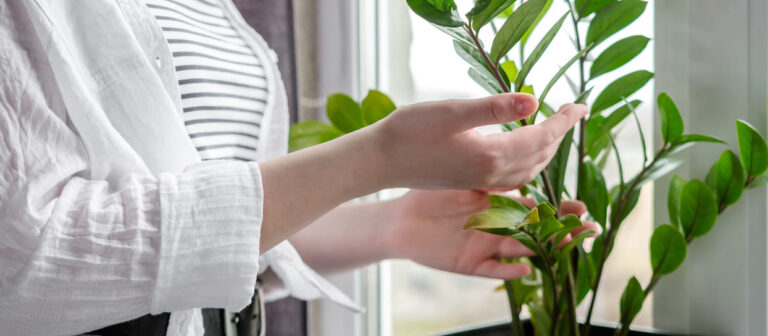
A ZZ plant has glossy foliage and thick underground rhizomes that store water. This reserve makes the species highly drought tolerant.
The plant grows in low or medium light and needs little seasonal attention. Add water only after most of the soil feels dry.
Slow development means it rarely outgrows a compact apartment quickly. Its polished appearance also complements modern study spaces.
3. Pothos
Pothos is a flexible trailing plant with heart-shaped leaves. It looks attractive on shelves, bookcases, or in hanging planters.
The vines tolerate irregular watering and several light levels. Variegated types retain stronger patterns in bright, indirect sunlight.
Trim long stems when they become untidy. Cuttings root easily in water, offering an affordable way to grow new greenery.
4. Spider Plant
Spider plants have arching, striped leaves and small offshoots called plantlets. They work well in hanging baskets or elevated pots.
These adaptable houseplants prefer bright, indirect light but tolerate less ideal rooms. Water when the upper soil starts feeling dry.
Brown leaf tips may appear because of dry air or mineral buildup. This cosmetic issue rarely means the whole plant is unhealthy.
5. Chinese Evergreen
Chinese evergreen combines decorative foliage with dependable growth. Different cultivars feature silver, green, cream, or pink leaf patterns.
Most varieties cope with moderate or lower light. Pale and colorful types usually need a brighter location to preserve their markings.
Keep the soil slightly moist but never waterlogged. This option suits students who enjoy checking their plants about once each week.
6. Cast-Iron Plant
The cast-iron plant earned its name through exceptional toughness. Its broad, dark leaves handle shade, temperature changes, and occasional neglect.
Growth remains slow, which reduces pruning and repotting. Water after the upper soil layer dries, then remove any excess from the saucer.
This sturdy species works especially well in darker bedrooms. It suits anyone who prefers simple foliage over trailing vines or bright patterns.
7. Haworthia
Haworthia is a compact succulent with firm, textured leaves. Its small size makes it practical for windowsills and crowded study desks.
Unlike many desert succulents, it can manage bright, indirect light. Strong afternoon sunshine may scorch the foliage behind hot glass.
Use gritty, well-draining soil and water sparingly. The container should dry between waterings, especially during cooler months.
8. Ponytail Palm
Despite its name, the ponytail palm is not a true palm. Its swollen trunk stores moisture for long periods.
Narrow, curling leaves create visual movement without taking much floor space. Bright light is ideal, but the plant can adjust to moderate conditions.
Water deeply, then wait until the soil dries. Frequent watering may damage the thick base and encourage root problems.
A Simple Plant Care Routine for a Packed Week
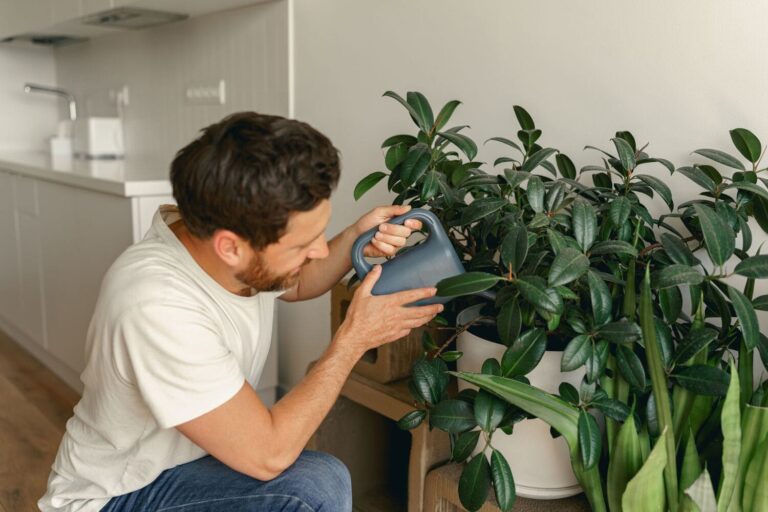
Busy students need a routine that takes minutes rather than hours. One weekly inspection is more useful than watering every container automatically.
Use this simple sequence to keep care consistent:
Check the soil with a finger before adding water.
Water slowly until moisture reaches the drainage holes.
Empty the saucer so roots never sit in standing water.
Rotate the pot slightly for more balanced growth.
Remove damaged leaves and inspect the foliage for pests.
This method helps you respond to each plant’s actual condition. It also prevents watering simply because a particular day has arrived.
Adjust Care During Exams and Holidays
Move greenery away from radiators before an intense study period. Heated air can dry small containers faster than expected.
Before leaving for a break, water only plants that truly need moisture. Soaking every pot may cause root rot while the room remains empty.
Group containers near suitable light to simplify care. Ask a roommate for help only when your absence will be unusually long.
Common Houseplant Mistakes Students Should Avoid
Overwatering is the largest problem for many new plant owners. Yellow leaves, soft stems, and unpleasant soil smells often indicate excess moisture.
Another mistake involves decorative pots without drainage. Keep the plant inside a nursery container, then place it within the outer cover.
Poor lighting can also weaken growth. A species may survive in darkness for weeks, but survival does not always indicate healthy development.
Do Not Overfeed Slow-Growing Plants
Fertilizer cannot repair weak light, damaged roots, or unsuitable watering. Too much plant food may burn roots and leave mineral deposits.
Feed lightly during active spring and summer growth. Many easy-care varieties need little fertilizer during darker winter months.
Consider Pets and Shared Spaces
Some popular indoor plants can irritate pets when chewed. Check plant safety before placing greenery near cats, dogs, or curious small animals.
Shared accommodation creates practical concerns as well. Choose stable pots and keep long vines away from walkways, counters, and communal work areas.
How to Choose the Best Plant for Your Schedule
Students who often forget watering should consider snake plants, ZZ plants, haworthias, or ponytail palms. These species store moisture and prefer drying periods.
Students who enjoy weekly care may prefer pothos, spider plants, or Chinese evergreens. Their foliage often gives clearer signs of thirst.
Think about mature size before purchasing a specimen. A compact starter plant costs less, travels easily, and adapts better to changing accommodation.
Success with Houseplants
Choose a houseplant that matches your light, space, and watering habits. The right variety can add color and comfort without creating extra pressure.
Start with one species and observe how it responds. Consistent, thoughtful care matters far more than perfection.
Julie Bawden-Davis is a best-selling garden author, blogger, YouTuber and Master Gardener dedicated to sharing indoor gardening expertise with aspiring gardeners. She has published several gardening books and more than 5,000 articles in major publications. A former garden columnist for the LA Times, San Francisco Chronicle and Parade.com, she is founder of HealthyHouseplants.com and its YouTube channel.
 Julie Bawden-DavisAugust 28, 2026