Your indoor plants shape how you enjoy your home, guiding where you place seating, shelving, and art. When you plan exterior renovations, you must consider how structural changes alter the indoor light your greenery requires.
Careful updates expand your living space while protecting ambient light and indoor humidity. Coordinating outdoor remodeling projects with indoor garden needs allows you to support your greenery without sacrificing daily comfort.
How Do Home Expansions Shift Interior Light Paths?
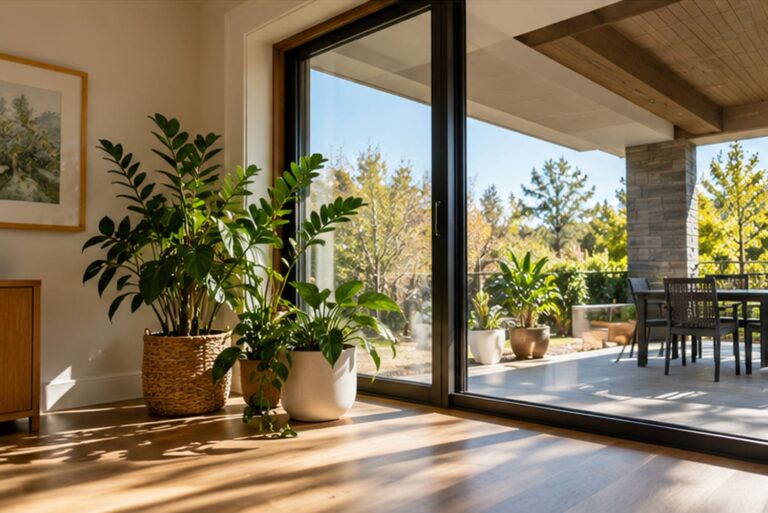
You change the path of natural light across your living space whenever you add a room or extend an exterior wall. New square footage can cast unintended shadows on plant stands that once received hours of morning sun, so observing seasonal light patterns before construction begins can help you identify areas where indoor growing conditions may change.
When planning an addition or exterior renovation, working with contractors such as Property Revolution can help you anticipate how structural changes may affect the amount and direction of natural light entering your home.
Window size, orientation, room depth, and glazing characteristics all influence how much daylight reaches indoor spaces and how much solar heat enters the room. Considering these factors together can help preserve useful light for houseplants while maintaining comfortable indoor conditions.
How Do Exterior Fixtures and Overhangs Diffuse Sunlight?
Deep roof overhangs, broad patio awnings, and heavy trim intercept sunlight before it reaches your windows. While these exterior elements keep cooling bills down, they can strip delicate plants of critical ambient brightness. You can counter this shadowing by selecting reflective exterior finishes or repositioning outdoor shade structures.
Strategic architectural elements redirect sunlight deep into rooms rather than blocking it entirely. The U.S. General Services Administration notes that light shelves and light tubes can help redirect daylight deeper into interior spaces. Installing these features helps your indoor greenery receive consistent illumination throughout long winter months.
Why Does Thermal Envelope Integrity Protect Indoor Microclimates?
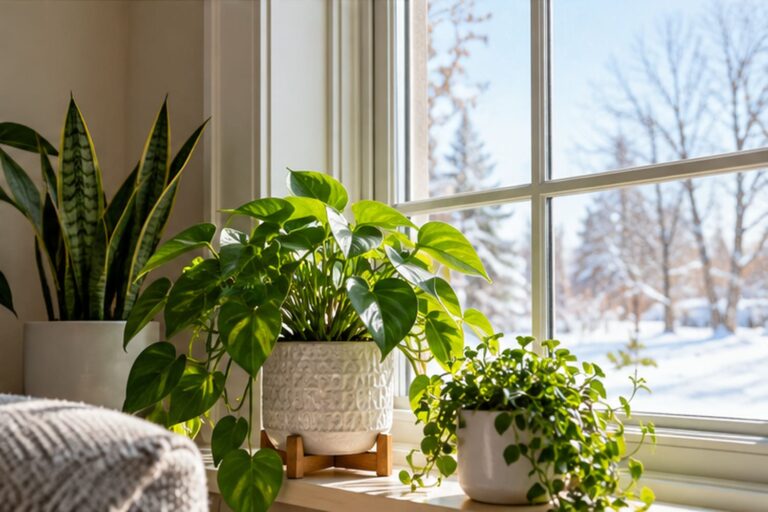
Large window expanses offer abundant light, but poor insulation creates drafts that damage sensitive foliage. Well-insulated windows and properly sealed frames can reduce cold drafts while still allowing useful natural light into the room. Quality seals around window frames stabilize indoor temperatures so your tropical plants remain safe through sudden weather shifts.
Humidity control requires equal attention when creating botanical zones. Houseplants release moisture through transpiration, which can contribute modestly to the humidity immediately around them. At the same time, the building envelope should prevent outdoor moisture from entering walls and interior spaces. Choosing durable siding materials and high-grade vapor barriers preserves wall framing while maintaining a stable growing environment inside.
Coordinating Exterior Remodels with Botanical Needs
You can coordinate exterior upgrades with horticultural requirements by addressing architectural details during early planning stages. Experienced contractors help you choose building materials that balance curb appeal with optimal solar transmission.
Audit solar paths: Track where natural light falls across rooms during morning and afternoon hours.
Select slim profiles: Where appropriate, choose narrower window frames and trim to increase usable daylight.
Angle patio covers: Position porch roofs to deflect harsh summer midday rays while admitting gentle winter sunshine.
Optimizing residential daylighting requires considering the entire building envelope. When exterior remodeling is planned with indoor light conditions in mind, home improvements can support both the building itself and the plants growing inside. Thoughtful planning can help maintain comfortable living spaces while providing houseplants with the light they need.
 Plant ParentOctober 29, 2026