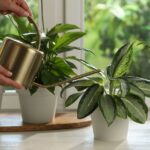
Houseplants have become an important part of modern interiors. They soften minimalist spaces, improve visual appeal, and help create a stronger connection with nature. While choosing the right species is important, many plant owners focus almost exclusively on watering and fertilizing while overlooking the environment the plants actually live in.
The health of indoor plants is influenced by much more than the pot they’re growing in. Temperature, humidity, airflow, natural light, and even the condition of the house itself all play a role in helping greenery thrive.
Every Home Creates Its Own Growing Environment
Unlike outdoor gardens, indoor plants depend entirely on the conditions inside the house.
A room that becomes excessively hot in summer, too dry during winter, or unusually humid throughout the year creates challenges for many popular houseplants. Even resilient varieties eventually show signs of stress when environmental conditions fluctuate too dramatically.
Understanding the home as an ecosystem helps explain why identical plants often perform very differently in different houses.
Light Is More Than Sunshine
Most homeowners know plants need light, but the quality of that light matters just as much as the amount.
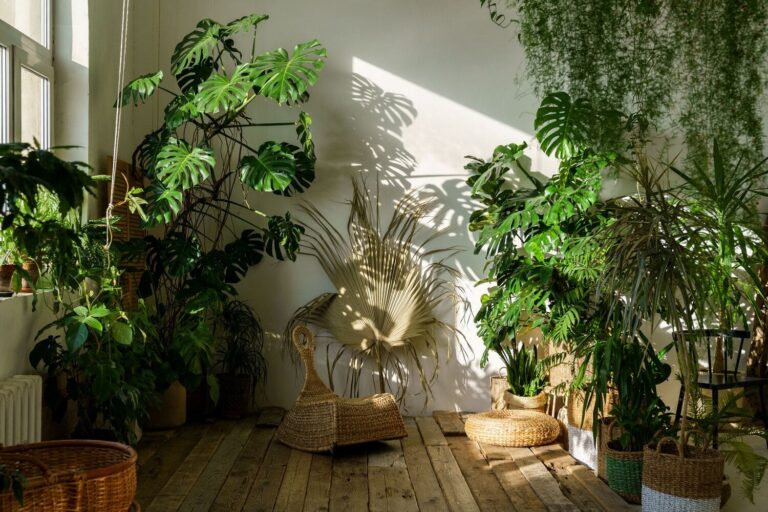
South-facing windows provide bright conditions suitable for many tropical species, while north-facing rooms may be better suited to shade-tolerant plants. Seasonal changes also influence light levels. For instance, a perfect location in spring may require adjustments during winter.
Rotating plants occasionally encourages more even growth while preventing them from leaning excessively toward one direction.
Airflow Keeps Plants Healthier
Fresh air benefits plants in several ways. Good airflow helps reduce fungal diseases, discourages mold growth, and allows moisture to evaporate more naturally from leaves and soil. Rooms with poor ventilation often create damp conditions that encourage pests and diseases.
At the same time, strong drafts from frequently opened doors or poorly sealed windows can stress sensitive tropical species.
Finding the right balance usually produces healthier, more vigorous growth.
The Home Itself Affects Indoor Humidity
Many plant owners purchase humidifiers without first considering why indoor humidity may be unusually low or high.
Insulation, ventilation, roofing, and the overall condition of the building all influence the indoor climate. Small moisture problems hidden within the structure can increase humidity unexpectedly, while poor insulation may create overly dry living conditions during colder months.
Homeowners interested in maintaining healthier indoor environments often explore guidance from companies such as Austin Roofing Company, to learn how roofing systems, ventilation, and moisture management work together to protect both the building and the comfort of the people and plants living inside it. Stable indoor conditions benefit furniture, flooring, and houseplants alike.
Choosing Plants That Match the Space
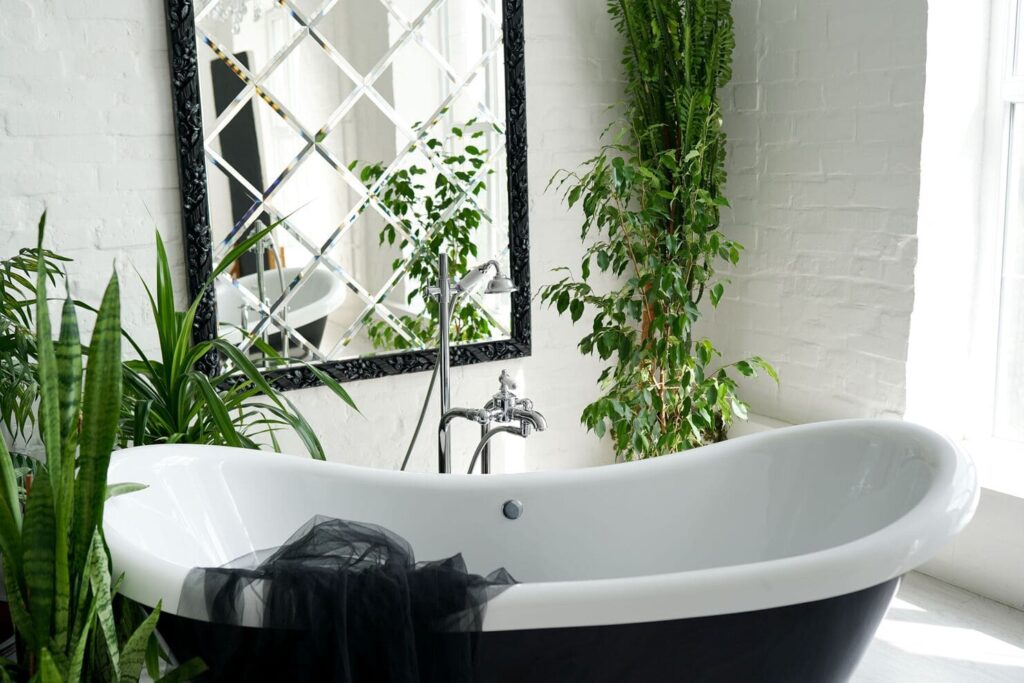
Not every plant belongs in every room. Bathrooms often support ferns and moisture-loving tropical plants because humidity levels tend to be higher. Living rooms with large windows may suit rubber plants, fiddle-leaf figs, or birds of paradise. Bedrooms with softer light can be ideal for snake plants, ZZ plants, or peace lilies.
Selecting plants based on existing conditions is usually more successful than constantly trying to change the environment to suit demanding species.
Clean Homes Help Plants Thrive
Dust doesn’t only affect shelves and furniture. Plant leaves gradually collect dust as well, reducing the amount of light available for photosynthesis. Wiping leaves occasionally with a damp microfiber cloth allows plants to absorb light more efficiently while improving their appearance.
Keeping windows clean also maximizes natural light, especially during shorter winter days.
These simple habits often produce noticeable improvements without requiring additional fertilizers or specialized equipment.
Prevention Is Better Than Treatment
Healthy houseplants are naturally more resistant to pests and disease. Rather than waiting until insects appear, regular observation allows owners to notice yellowing leaves, unusual spots, slow growth, or changes in soil moisture before problems become severe.
The same principle applies to maintaining the home itself. Addressing minor maintenance issues promptly helps create a more stable indoor environment that supports both the property and everything inside it.
According to the Royal Horticultural Society (RHS), providing plants with appropriate light, watering, and environmental conditions is one of the most effective ways to prevent common indoor plant problems before they develop.
Plants Make Homes Feel More Alive
Houseplants contribute much more than decoration. They introduce texture, color, and seasonal change into interior spaces while encouraging homeowners to pay closer attention to the environment around them. Caring for plants naturally encourages better awareness of light, temperature, airflow, and moisture, which are many of the same factors that influence the long-term condition of a home.
When both the house and its living greenery receive consistent care, they complement one another beautifully.
Healthy Houseplants Start with a Healthy Home
Successful indoor gardening isn’t simply about choosing attractive plants or following a watering schedule. It begins with creating an environment where plants can thrive naturally.
A well-maintained home with balanced humidity, good ventilation, reliable weather protection, and abundant natural light provides the foundation for healthy greenery throughout the year. When homeowners care for the building as thoughtfully as they care for their houseplants, both continue to flourish for years to come.
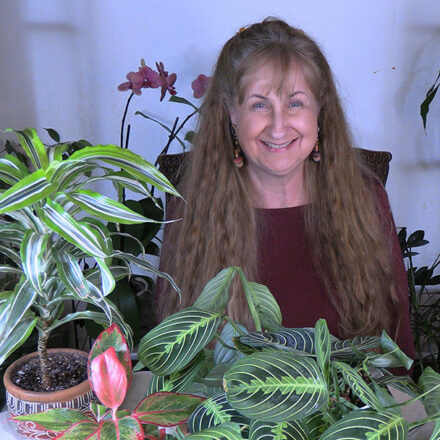
Julie Bawden-Davis is a best-selling garden author, blogger, YouTuber and Master Gardener dedicated to sharing indoor gardening expertise with aspiring gardeners. She has published several gardening books and more than 5,000 articles in major publications. A former garden columnist for the LA Times, San Francisco Chronicle and Parade.com, she is founder of HealthyHouseplants.com and its YouTube channel.
 Julie Bawden-DavisAugust 6, 2026