About Raindrop Peperomia

Raindrop Peperomia Introduction

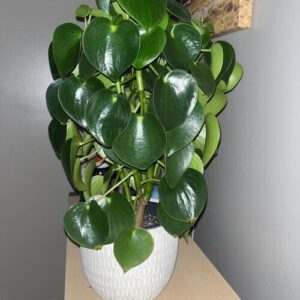
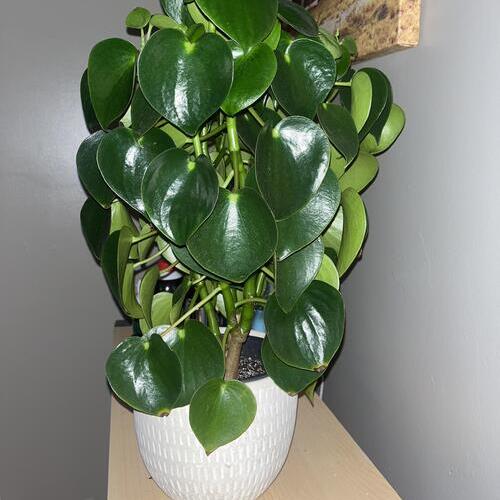
The Raindrop Peperomia (Peperomia polybotrya) is a compact, semi-succulent houseplant prized for its glossy, teardrop-shaped leaves that resemble suspended droplets of water. Native to the tropical forests of Colombia, Ecuador, and Peru in South America, this species grows naturally in the dappled understory of the rainforest, often as an epiphyte or terrestrial groundcover nestled among leaf litter, rocks, and fallen branches. Its thick, fleshy foliage is an adaptation to these humid but sometimes unpredictable rainfall patterns, allowing the plant to store moisture and tolerate brief dry spells between rains.

As a member of the Piperaceae, or pepper family, Peperomia polybotrya is a relative of black pepper (Piper nigrum), though it is grown almost exclusively as an ornamental rather than a culinary crop. The plant forms a low, mounding rosette of upright stems, typically reaching 10 to 12 inches in height and a similar spread at maturity, making it well suited to tabletops, shelves, and terrariums. Its deep green, heart-to-teardrop-shaped leaves have a slightly waxy sheen and radiate outward from central stems on reddish petioles, creating a lush, symmetrical silhouette.

While it is grown chiefly for its foliage, mature specimens occasionally produce slender, upright flower spikes reminiscent of rat-tails, a hallmark of the genus. These blooms are subtle and largely ornamental, contributing little visual drama compared to the foliage itself. The Raindrop Peperomia has become a popular choice among houseplant enthusiasts for its forgiving nature, compact growth habit, and striking leaf shape, and it pairs well with other tropical foliage plants in curated indoor collections.

Raindrop Peperomia Care & Growing Guide

Caring for the Raindrop Peperomia is straightforward, making it an excellent choice for beginners as well as collectors seeking a low-maintenance addition to their plant shelf. This species thrives in bright, indirect light, which encourages compact growth and rich leaf color, though it will also tolerate lower light conditions with a somewhat leggier habit. Direct, harsh sunlight should be avoided, as it can scorch the semi-succulent leaves, while insufficient light often leads to stretched stems and smaller foliage.

Because its thick leaves store water, the Raindrop Peperomia is more drought-tolerant than many houseplants and prefers to dry out between waterings. A well-draining, chunky potting mix combined with a pot that has ample drainage holes is essential to prevent the root rot to which this species can be susceptible if kept consistently wet. Average home humidity is generally sufficient, though the plant will respond positively to slightly elevated humidity, particularly during the drier winter heating months.

Regular but light fertilization during the active growing season, moderate warmth, and occasional grooming to remove spent or damaged leaves will keep the plant looking its best. Repotting is infrequent, needed only every couple of years as growth is slow to moderate. With attentive but minimal care, this Peperomia rewards growers with dense, glossy foliage and steady, manageable growth for years.

 Soil Soil

The Raindrop Peperomia requires a light, well-draining, and airy soil mix that mimics the loose forest floor conditions of its native habitat. An ideal blend combines standard potting soil with perlite, coarse sand, or orchid bark in roughly equal parts to promote fast drainage and adequate airflow around the roots. A slightly acidic to neutral pH range of about 6.0 to 6.5 supports optimal nutrient uptake. Amending the mix with a small amount of compost or worm castings can supply gentle, slow-release nutrition without risking salt buildup. Because this species stores water in its leaves, soggy or compacted soil is one of the most common causes of decline, so drainage is more critical than fertility. Poor drainage leads to waterlogged roots and root rot, while compacted soil restricts oxygen flow and stunts growth. Inappropriate pH can lock out nutrients even when they are present in the soil, and salt build-up from tap water or over-fertilizing can cause leaf tip burn. Nutrient deficiencies, though uncommon in fresh potting mix, may appear as pale or yellowing leaves over time as the mix breaks down. Root-boundness, indicated by roots circling the pot or emerging from drainage holes, signals it is time to refresh the soil and consider repotting.

 Fertilizer Fertilizer

During the active growing season from spring through early fall, feed the Raindrop Peperomia with a balanced, water-soluble houseplant fertilizer (such as a 20-20-20 or similar N-P-K ratio) diluted to half strength, applied once every four to six weeks. Fertilization should be paused or reduced to once every two months during fall and winter when growth naturally slows. Over-fertilization can cause a visible crust of mineral salts on the soil surface, brown and crispy leaf tips or margins, and in severe cases, wilting despite moist soil due to root burn. Under-fertilization, though less common given the plant’s modest nutrient needs, may present as slow growth, smaller new leaves, and an overall pale or dull leaf color over an extended period. Organic alternatives such as diluted fish emulsion, compost tea, or worm casting tea can be used in place of synthetic fertilizers and tend to reduce the risk of salt buildup, though they should still be applied sparingly given this species’ relatively low nutrient demands.

 Watering Watering

The Raindrop Peperomia’s fleshy leaves store moisture, so it prefers a thorough soak followed by a period of drying out rather than constant dampness. Watering deeply until liquid drains from the pot’s base, then waiting until the top inch or two of soil is dry before watering again, closely matches its natural rhythm. Room-temperature filtered, distilled, or rainwater is preferable to hard tap water, which can cause mineral buildup and leaf tip browning over time, though most plants tolerate tap water that has been left to sit overnight. Overwatering is signaled by yellowing, mushy, or translucent leaves, a soft or blackened stem base, and a sour smell from the soil, all pointing toward root rot. Underwatering instead causes leaves to wrinkle, soften, and eventually shrivel or drop, though the plant typically recovers quickly once watered. During the active growing season in spring and summer, watering may be needed roughly every one to two weeks depending on light and temperature, while in fall and winter, when growth slows, watering frequency should be reduced to every two to three weeks or longer.

Raindrop Peperomia Watering Calculator

🪴 Precision Watering Intelligence

Science-Based Hydration for Your Collection

Stop guessing. Most houseplant failures are caused by volumetric errors and improper moisture tension. Our deterministic calculator moves beyond "once-a-week" watering by analyzing the four critical pillars of root health:

  • • Transpiration Coefficients: 120+ species mapped by metabolic rate.
  • • Substrate Porosity: Adjusts for Standard vs. Cactus/Well-Draining mixes.
  • • Geometric Volume (V = π r² h): Calculates exact cups based on pot surface area.
  • • The Drainage Factor: Accounts for pot material (Terracotta) and the risk of a perched water table.

Personalized for this plant

6"
🪴
--
approx. every --

Disclaimer: Our calculator is pretty smart. We’ve crunched the numbers, but we’re not measuring the quantum state of your living room. Since we don’t know your exact indoor temperature, humidity, light, airflow, or whether your plant receives daily sweet nothings and motivational speeches, use this calculator as a guide—and always keep an eye on your plant.

 Lighting Lighting

This Peperomia performs best in bright, indirect light, such as that found a few feet from an east- or north-facing window, or filtered light near a south- or west-facing window. A few hours of gentle morning sun is tolerated, but intense midday or afternoon sun should be filtered through a sheer curtain to prevent scorching. Signs of insufficient light include leggy, stretched stems, smaller-than-normal leaves, and a loss of the plant’s compact rosette shape as it reaches toward a light source. Excessive or direct light, on the other hand, causes bleached, pale, or crispy brown patches on the leaves, particularly on the sides facing the sun. If natural light is limited, a full-spectrum LED grow light positioned 12 to 18 inches above the plant for 10 to 12 hours daily can effectively supplement or replace sunlight, especially in low-light apartments or during shorter winter days.

 Tempature Temperature

The Raindrop Peperomia thrives in typical indoor temperatures between 65 and 80°F (18 to 27°C) and does not tolerate cold well, as it has no frost hardiness and originates from consistently warm tropical regions. Sudden temperature swings, cold drafts from doors and windows, or placement near air conditioning vents can cause leaf drop or slowed growth. Temperatures below 50°F (10°C) can cause chilling damage, appearing as dark, water-soaked spots on the leaves, while prolonged exposure below freezing is fatal. On the warmer end, the plant tolerates heat reasonably well up to the high 80s°F as long as humidity and watering are adjusted accordingly, but it should be shielded from prolonged exposure to hot, direct sun through glass, which can quickly overheat and scorch the leaves.

 Humidity Humidity

Average indoor humidity of 40 to 50 percent is generally sufficient for the Raindrop Peperomia, though it will thrive with slightly higher humidity in the 50 to 60 percent range. Low humidity, especially during winter when indoor heating dries the air, can cause leaf edges to curl, crisp, or turn brown, while extremely high humidity combined with poor airflow may encourage fungal issues on the leaves or soil surface. To raise humidity, group plants together, place the pot on a pebble tray filled with water (keeping the pot itself above the waterline), or run a small humidifier nearby; all three methods are moderately to highly effective, with a humidifier offering the most consistent and controllable results. Misting is generally less effective for this species since its waxy leaves shed water droplets quickly and misting does little to raise ambient humidity for a meaningful duration, so it is best used only as a supplementary, cosmetic measure.

 ropagation Propagation

The Raindrop Peperomia can be propagated through stem cuttings, leaf-petiole cuttings, or division, with stem cuttings generally offering the fastest and most reliable results.

1. Select a healthy, non-flowering stem with two or more leaves and use clean, sharp scissors or pruning snips to make the cut just below a leaf node.
2. Allow the cutting to sit out of soil for a few hours to a day so the cut end can callous slightly, reducing the risk of rot.
3. Insert the cut end into a small pot of moist, well-draining potting mix, or place it in a jar of clean water, ensuring at least one node is submerged or buried.
4. Position the cutting in bright, indirect light and maintain warm temperatures around 70 to 75°F (21 to 24°C).
5. If rooting in water, change the water every few days to keep it fresh and prevent bacterial growth; if rooting in soil, keep the mix lightly moist but never soggy.
6. Roots typically begin to form within two to four weeks, and once roots reach about an inch long, a water-rooted cutting can be transplanted into soil.
7. New top growth usually appears within four to eight weeks, indicating successful establishment.

Leaf-petiole cuttings, where a single leaf with its stalk is inserted into soil, can also root but tend to be slower and less consistently successful than stem cuttings, sometimes taking six to eight weeks or longer to establish. Division of an established, multi-stemmed plant at repotting time offers the quickest route to a mature-looking new plant, since it uses already-rooted sections, though it is only possible with sufficiently large specimens. Spring and early summer are the best times to propagate, coinciding with the plant’s natural active growth phase, which speeds up rooting and establishment considerably compared to propagation attempted in fall or winter.

 Potting Potting

Choose a pot only slightly larger than the plant’s root ball, with generous drainage holes, since the Raindrop Peperomia prefers being somewhat snug in its container and is prone to root rot in oversized pots that hold excess moisture. Unglazed terracotta or clay pots are particularly beneficial, as their porous walls help wick away excess moisture and support the fast-draining conditions this species prefers. A chunky, well-aerated mix of potting soil, perlite, and orchid bark or coarse sand should fill the container. Repotting is needed infrequently, typically every two years, or when roots become visibly crowded, circle the interior of the pot, or emerge from the drainage holes. Other signs it’s time to repot include water running straight through the pot without being absorbed, stunted growth despite proper care, or the plant becoming top-heavy and unstable in its container. When repotting, gently loosen the root ball and trim away any mushy, blackened, or excessively long circling roots with clean scissors before setting the plant in fresh mix at the same depth it was previously growing. Water lightly after repotting and keep the plant out of direct sun for a week or two to minimize transplant stress while new roots establish in the surrounding soil.

 Pruning Pruning

Best Time to Prune

Late winter to early spring, just before the active growing season begins, is the ideal time to prune, though light grooming can be done any time of year as needed.

Frequency

Pruning is infrequent for this compact species, generally limited to occasional shaping or maintenance a few times per year.

Purpose

Pruning removes damaged, yellowing, or leggy growth, encourages a fuller, bushier habit, and provides healthy cuttings for propagation.

Tools and Preparation

Use clean, sharp precision scissors or pruning snips, wiped with rubbing alcohol before and after use to prevent the spread of disease.

Step-by-Step Pruning Guide

  1. Inspect the plant and identify any yellow, brown, damaged, or overly leggy stems and leaves.
  2. Using sterilized scissors, snip unwanted stems just above a leaf node or at the soil line for basal growth.
  3. Remove no more than 15 to 20 percent of the plant’s total foliage in a single session to avoid stressing it.
  4. Save healthy trimmed stems for propagation if desired.
  5. Dispose of any diseased or pest-affected material away from other houseplants.
  6. Water lightly after pruning if the soil is dry, and return the plant to its normal bright, indirect light spot.

Aftercare and Special Considerations

Avoid fertilizing immediately after a heavy pruning session; wait two to three weeks to allow the plant to recover before resuming feeding. Monitor cut sites for any signs of rot or infection in the days following pruning.

 Blooming Blooming

Flowering is infrequent and not the primary ornamental feature of this species. When blooms do appear, they typically emerge in spring through summer under bright light and warm, stable conditions. The inflorescence is a narrow, upright spike (raceme) 2 to 4 inches long, pale green to cream in color, resembling a slender rat-tail rising above the foliage. Flower spikes are composed of tiny, densely packed, petal-less flowers and lack fragrance or showy color. Blooming is not seasonal or reliable in most indoor settings and is considered a minor characteristic compared to the plant’s foliage.

 Pests & Diseases Pests and Diseases

Pests

Name: Mealybugs

Symptoms: Small, cottony white clusters in leaf axils and along stems; sticky honeydew residue; yellowing or distorted leaves.

Treatment: Dab affected areas with a cotton swab dipped in isopropyl alcohol, then treat the entire plant with insecticidal soap or neem oil solution weekly until clear.

Name: Spider Mites

Symptoms: Fine webbing on leaf undersides and stems, stippled or speckled yellow-bronze discoloration on leaves, overall dull appearance.

Treatment: Increase humidity, rinse the plant thoroughly under lukewarm water, and apply insecticidal soap or miticide every five to seven days until infestation clears.

Name: Fungus Gnats

Symptoms: Small flying insects near the soil surface, larvae in top layer of soil, occasional wilting in severe infestations affecting roots.

Treatment: Allow soil to dry out more between waterings, use yellow sticky traps to catch adults, and apply a BTI-based soil drench to eliminate larvae.

Diseases

Name: Root Rot

Symptoms: Yellowing, wilting, or mushy leaves; blackened, soft stem base; foul odor from soil; stunted growth.

Treatment: Remove the plant from its pot, trim away all mushy or blackened roots, repot into fresh well-draining mix, and reduce watering frequency going forward.

Name: Bacterial Leaf Spot

Symptoms: Water-soaked, dark brown or black spots on leaves, sometimes with a yellow halo, that may enlarge and merge over time.

Treatment: Remove and discard affected leaves, avoid overhead watering or misting, improve air circulation, and apply a copper-based bactericide if the issue persists.

Name: Powdery Mildew

Symptoms: White, powdery coating on leaf surfaces, typically in conditions of high humidity and poor air circulation.

Treatment: Improve airflow around the plant, avoid wetting foliage when watering, and treat with a fungicide labeled for powdery mildew if the condition spreads.

 Special Features Special Features

The Raindrop Peperomia stands out among houseplants for its uniquely shaped, glossy leaves that closely mimic droplets of water suspended on a stem, giving the plant an almost sculptural, modern aesthetic that pairs beautifully with minimalist interiors. Beyond its striking appearance, the plant’s semi-succulent nature makes it notably forgiving of inconsistent watering schedules, an appealing trait for busy or beginner plant owners. Its compact, mounding growth habit makes it an excellent choice for small spaces such as desks, shelves, and bathroom counters with adequate light, and its non-toxic status makes it a worry-free option for households with curious pets or small children. While it lacks fragrant or showy flowers, its year-round textural foliage interest more than compensates, offering steady visual appeal in any indoor plant collection.

 Benefits Plant Benefits

There is no well-documented history of the Raindrop Peperomia being used in traditional herbal medicine or pharmaceutical applications, and it is grown almost exclusively as a decorative houseplant. Like many leafy houseplants, it may offer minor indirect wellness benefits associated with indoor greenery in general, such as modest improvements in indoor air quality and a positive effect on mood and stress reduction simply through its presence in a living space, though these benefits are not unique to this species and are not supported by targeted pharmacological research.

  Additional Information Additional Information

Peperomia polybotrya is sometimes confused with Peperomia peperomioides (the Chinese Money Plant) due to superficial similarities in leaf shape, but the two are distinct species with different leaf textures and growth habits; Peperomia polybotrya’s leaves are more pointed and teardrop-shaped, while Chinese Money Plant leaves are rounder and coin-like. The plant is also sometimes sold under the cultivar name ‘Raindrop’ at nurseries and garden centers, and it has become a popular subject for plant propagation trades due to its easy rooting from stem cuttings.

  Lifecycle Life Cycle

The Raindrop Peperomia is a tender evergreen perennial that, given warm, stable indoor conditions, can live and grow for many years without a true dormancy period, though its growth rate does slow noticeably during shorter, cooler days in fall and winter. From a rooted cutting, the plant typically reaches a mature, filled-out size within one to two years under good light and consistent care. It does not die back seasonally like a true deciduous perennial, and individual leaves are long-lived, often persisting for a year or more before naturally yellowing and dropping as the plant produces new growth from its stem tips and base.

  Plant ToxicityAre Raindrop Peperomia Poisonous, Toxic

The Raindrop Peperomia is considered non-toxic to cats, dogs, and humans, including children, according to the ASPCA’s list of pet-safe plants. No part of the plant, including the leaves, stems, or sap, is known to contain toxins that cause systemic poisoning. In rare cases, ingestion of any houseplant material can cause mild, transient gastrointestinal upset such as drooling, mild nausea, or stomach discomfort simply due to the physical irritation of plant fiber rather than toxicity. If a pet or child consumes a large quantity of leaves, monitor for vomiting or diarrhea and contact a veterinarian or pediatrician if symptoms persist. As a general precaution, it is still wise to keep any houseplant out of easy reach of curious pets and young children to prevent choking hazards or soil ingestion, and to avoid using chemical fertilizers or pesticides on plants accessible to pets.

 FAQ Frequently Asked Questions

How often should I water my Raindrop Peperomia?

Water thoroughly and then allow the top one to two inches of soil to dry out before watering again, typically every one to two weeks in the growing season and less often in winter.

Is the Raindrop Peperomia toxic to cats and dogs?

No, the Raindrop Peperomia is considered non-toxic to cats and dogs according to the ASPCA.

What kind of light does a Raindrop Peperomia need?

It prefers bright, indirect light and can tolerate lower light, but direct harsh sun should be avoided to prevent leaf scorch.

Why are the leaves on my Raindrop Peperomia turning yellow?

Yellowing leaves are most often a sign of overwatering or poor drainage, though it can also occur naturally as older leaves age and drop.

How do you propagate a Raindrop Peperomia?

It propagates easily from stem cuttings rooted in water or moist soil, typically taking two to four weeks to develop roots.

How big does a Raindrop Peperomia get?

It typically stays compact, reaching about 10 to 12 inches in height and spread at maturity.

Does the Raindrop Peperomia need high humidity?

No, it adapts well to average indoor humidity levels, though it appreciates slightly elevated humidity when available.

What type of soil is best for a Raindrop Peperomia?

A light, well-draining mix of potting soil, perlite, and orchid bark or coarse sand works best.

How often does a Raindrop Peperomia need repotting?

Repotting is only needed about every two years, or when roots become visibly crowded in the pot.

Does the Raindrop Peperomia flower?

Yes, but its flowers are small, slender green-cream spikes that are subtle and not a major ornamental feature.

Can I grow this plant in my indoor spaceCan I grow Raindrop Peperomia in my indoor space

Difficulty: Easy

Size: Small

Light: Medium

Water: Low

Flowering: Yes

Pet Safe: Yes

Air Purifier: Low

Can I grow this plant in my indoor spacePeperomia polybotrya botanical details

Common Name: Raindrop Peperomia

Other Common Names: Coin-Leaf Peperomia, Teardrop Peperomia, Peperomia Polybotrya

Botanical Name: Peperomia polybotrya

Native Area: Tropical South America, including Colombia, Ecuador, and Peru

Family Name: Piperaceae

Plant Type: Herbaceous perennial (semi-succulent foliage plant)

Genus: Peperomia

Kingdom: Plantae

 Photo Gallery Photo Gallery

 Care recommendationsMy Raindrop Peperomia Plant Care Recommendations

  •   Buy onlineBuy Raindrop Peperomia Online

    “Bring Home This Beauty Today”

    “Get Your Own Raindrop Peperomia Before It’s Gone”

    “Shop Trusted Sellers – Limited Availability”

    “Free Delivery”

    Raindrop Peperomia (Peperomia polybotrya) Plant Care
    Raindrop Peperomia (Peperomia polybotrya) Plant Care

    As an Amazon Associate, I earn commission from qualifying purchases.

      Plant Joke Plant Puns and Jokes

    Why did the Raindrop Peperomia get invited to every party? Because it always knew how to bring the drip.

    Newsletter Signup Signup to our newsletter and download Raindrop Peperomia care guide

    Chatbot Icon
    AI Julie Chatbot, ask me!