The 2/3–1/3 Potting Ratio: The Secret to Successfully Repotting Houseplants
 Julie Bawden-DavisAugust 26, 2026


 Julie Bawden-DavisAugust 26, 2026
One of the most common mistakes I see indoor gardeners make is also one of the easiest to prevent—putting a houseplant in a pot that is too big.
Since the mid-1990s, I’ve taught a simple ratio that can make the difference between a houseplant that thrives after repotting and one that fails to grow, develops root problems, or eventually dies. I call it the 2/3 plant-to-1/3 pot ratio.
I first learned the concept when I was writing one of my early The Gardener Within indoor gardening columns for the San Francisco Chronicle. I was interviewing the owner of a Northern California nursery for an article about how not to kill your houseplants.
He told me to think of a properly potted houseplant as an upside-down triangle. Visually, the plant should make up approximately the upper two-thirds of the plant-and-pot combination, while the pot makes up the bottom third.
It was simple advice, but it turned out to be some of the most valuable houseplant information I’ve ever received. I’ve used the ratio with my own plants ever since and taught it to indoor gardeners for decades.
Quite often people tell me in person and in comments on my Healthy Houseplants videos that they’d never heard this advice before. Some were skeptical until they tried it. Others have told me that learning the ratio was a game changer and helped them stop killing their houseplants.
There’s also another half to the story—one that I developed after I started using the original ratio. What’s happening inside the pot is every bit as important as what you see above it.
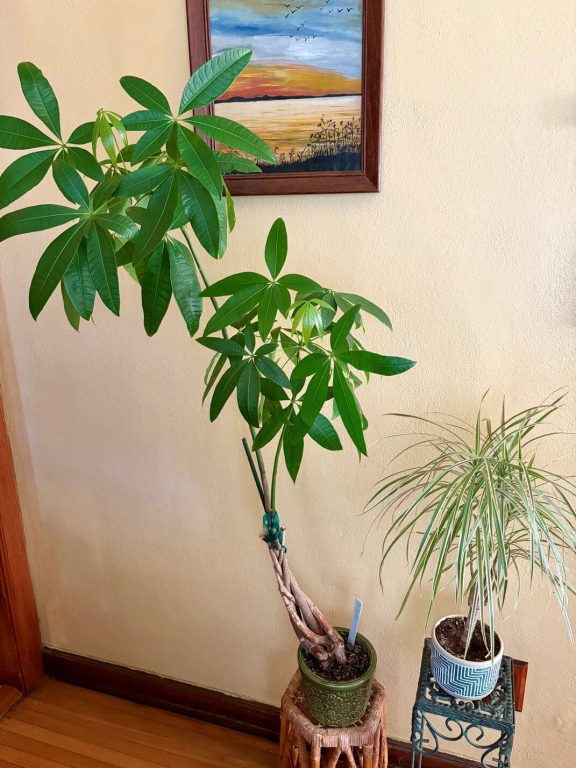
The 2/3–1/3 ratio is something you can eyeball. You don’t need to get out a ruler or measuring tape. Stand back and look at your plant and pot together. Ideally, approximately two-thirds of what you see vertically should be plant and one-third should be pot.
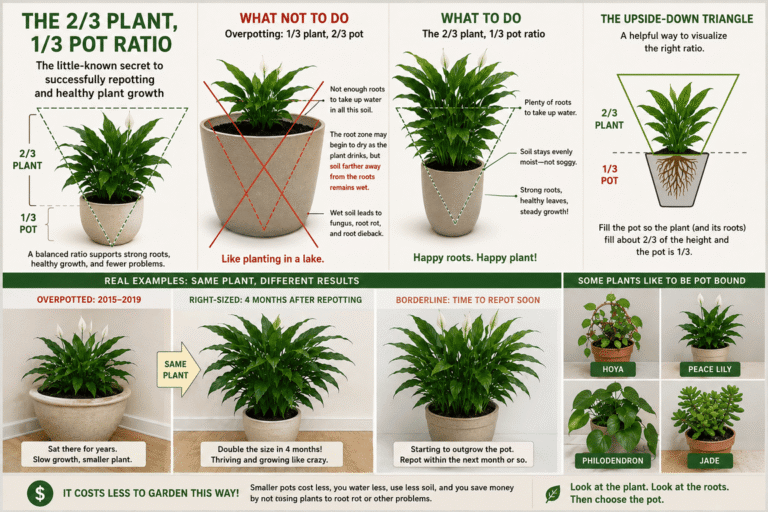
People sometimes look at my own houseplants and comment on how healthy and thriving they are. Then they tell me the pots seem awfully small for the plants. But that’s part of why those plants are thriving.
Many houseplants don’t need a huge amount of potting soil surrounding their roots in order to grow. In fact, providing too much soil can have exactly the opposite effect.
It’s easy to understand why overpotting is so common. You have a healthy little plant and want it to become a big, beautiful plant. It seems logical to give it a large pot with lots of soil and plenty of room to grow. The plant will grow into the pot, right?
Unfortunately, that’s not how it generally works. When you put a relatively small root system into a large volume of potting soil, there aren’t enough roots to take up all the water being held in that soil. The root zone may begin to dry as the plant drinks, but soil farther away from the roots remains wet. I sometimes describe severely overpotting a plant as planting it in a lake.
All that excess wet soil can create unhealthy conditions in the root zone. Roots need oxygen as well as moisture. When soil remains overly wet for extended periods, roots become stressed, fungal pathogens can proliferate, roots can die back, and root rot may eventually occur.
But root rot isn’t the only possible outcome.
This is something that’s easy to miss. An overpotted plant doesn’t necessarily collapse and die. Sometimes it simply sits there.
I demonstrated this years ago in one of my Healthy Houseplants videos with two peace lilies. I’d put one peace lily into a pot in 2015 that I knew was a little too big. I knew better, but I didn’t have another suitable pot handy and figured it would probably be okay. Four years later, it was still about the same size. It hadn’t died. It had grown a little. But essentially, it had just sat there.
Meanwhile, another peace lily that I had repotted according to the 2/3–1/3 ratio had doubled in size in approximately four months.
The smaller pot hadn’t restricted its growth. The correctly sized pot had helped create the conditions that allowed the plant to grow. That is an important distinction.
Don’t give a plant a large pot so it has room to grow. Give it the appropriately sized pot it needs to grow well—and move it into a larger pot when its root system is ready for one.
I was recently reminded of this when a reader contacted me about an aloe vera growing in a pot that was much too large. I advised her to downpot the aloe into a more appropriately sized container.
When she removed the plant from its oversized pot, she discovered something revealing. There were very few roots left. The plant hadn’t simply failed to fill its enormous pot with roots. Its root system had actually died back considerably due to being in too big of a pot.
That root dieback can correspond with what you’re seeing above ground. The plant isn’t putting on new growth because it doesn’t have a vigorous root system supporting new foliage. This is one reason I don’t recommend choosing a new pot based solely on the size of the plant above ground.
You also need to look at the roots.
After I began using the 2/3 plant-to-1/3 pot ratio, I realized the original advice didn’t account for what was happening inside the pot. That’s when I developed another ratio: approximately 2/3 existing root mass to 1/3 new potting soil when repotting.
Again, this isn’t something you need to measure precisely. Eyeball it. Once you’ve removed the plant from its existing pot, look at the size and condition of the root ball. You want the new container to provide some fresh soil and room for the roots to grow without surrounding a relatively small root system with a huge volume of new soil.
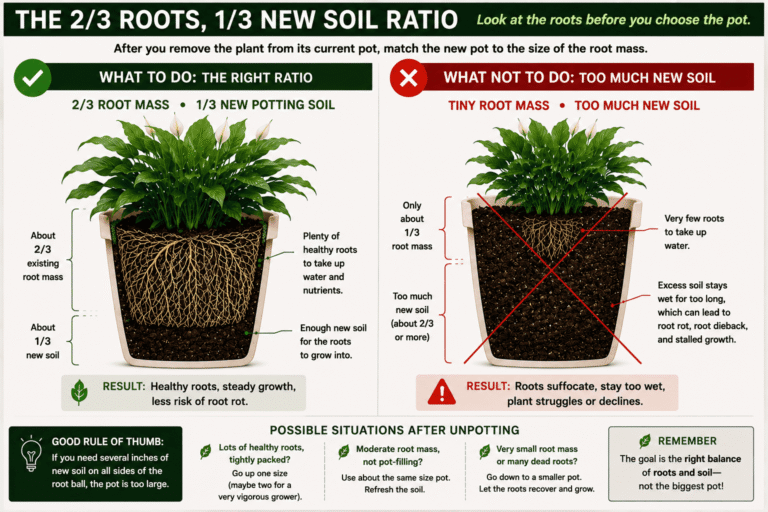
This second ratio is particularly important because you can’t always tell what size pot a plant needs until you take it out of its current container. A pot may look appropriate when you compare it to the foliage, but once you unpot the plant, you may discover a surprisingly small root system. At that point, change your plan.
When you remove a houseplant from its pot, you will generally encounter one of several situations.
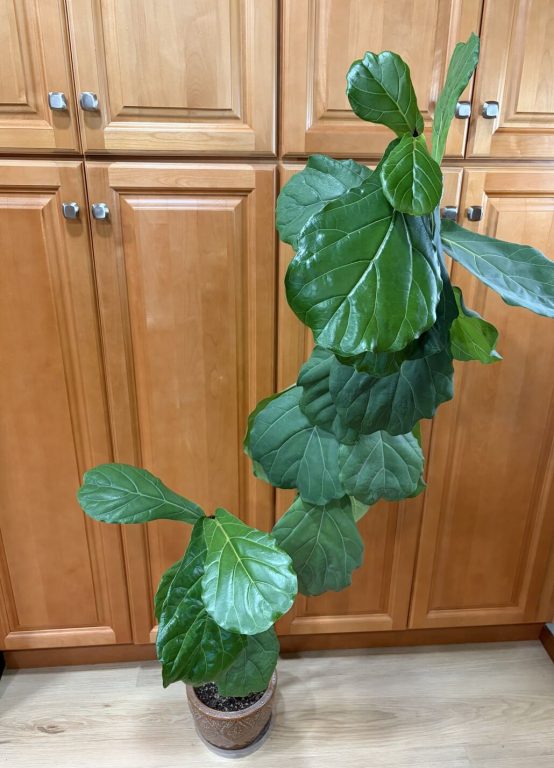
Downpotting simply means moving a plant into a smaller container because its existing root mass is too small for the pot it’s currently growing in.
Roots can die back for a variety of reasons. Overly wet soil can damage roots, but severe underwatering can also kill them. When you remove a struggling plant from its container, you may be shocked by how little viable root mass remains. If that happens, match the new pot to the roots you have now, not the roots you wish the plant had.
I’ve even had situations where the root system was so small that I temporarily used closer to a 3/4 plant-to-1/4 pot proportion while allowing the roots to recover and grow.
I’ve also heard from viewers who discovered after learning about my ratios that many plants in their collections were overpotted. Some went through their collections and downpotted plants into more appropriately sized containers.
One viewer told me she had several plants that were “waayyy over-potted.” After repotting them into appropriately sized containers, she discovered that her bird of paradise, which had been growing in a pot about five times the size of its root ball, was already showing the beginnings of root rot. That’s exactly the kind of problem downpotting can help correct before the damage progresses.
This is an excellent question I’ve received from viewers. If the problem with an oversized pot is that the excess soil stays wet, why not simply wait longer between waterings? Especially if you’re using a well-draining potting mix?
This doesn’t work because the soil isn’t necessarily drying uniformly. The soil where the active roots are located will dry as the plant takes up water. But the surrounding soil that doesn’t contain sufficient roots can remain wet much longer.
That scenario can put you in a difficult position. The plant may need water in its active root zone before the large volume of surrounding soil has adequately dried.
A well-draining potting mix is important, but it doesn’t eliminate the need to match soil volume to root mass.
You’ve probably heard the advice to move a houseplant up one pot size when repotting. Sometimes that’s exactly what you should do. Sometimes it isn’t.
If the plant has a healthy, vigorous root system that has filled its current container, going up one size—and occasionally a little more for a vigorous grower—can work well.
But the size of the old pot shouldn’t automatically determine the size of the new one.
That’s why I recommend removing the plant and examining the root system before making your final pot-size decision. I demonstrate this in my video on choosing the right pot based on root mass. In the video, I consider several possible pots for a palm, but once I remove the plant and see the actual size of the root system, it’s clear that some of those pots would provide far too much new soil.
As you’re repotting, pay attention to how much new soil you’re putting beneath and around the root ball. You should certainly have room for fresh soil. That’s part of the purpose of repotting. But if you’re putting a small root ball into a container and discovering that you need several inches of potting soil on every side just to fill the pot, stop. The pot is probably too large.
In one of my demonstrations within the video, approximately an inch or a little less of fresh soil around the root mass provided the room I wanted. If I’d had five or six inches of empty space around that root ball, that would have been an immediate indication that I had chosen too large a pot.
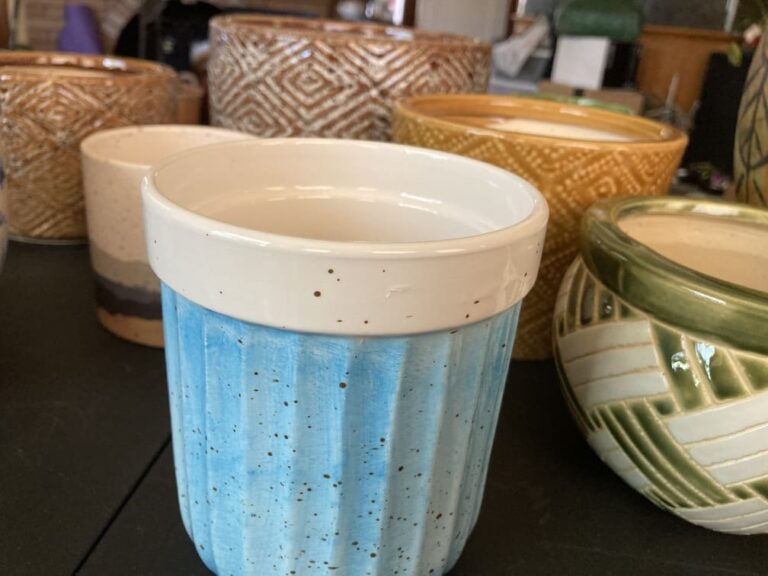
I’ve been there. You find a beautiful pot that perfectly matches your room, and you really want your plant growing in it. Or perhaps the issue is much simpler. It’s the only pot you have. Neither makes it the right size for the plant.
I’ve joked in my videos about wanting to use the gorgeous pot that matches your carpeting or drapes. But if the container is much too large, have some patience. Save it until the plant has developed the root system to use it.
Or turn the decision around. If you really want to use that particular pot now, go out and find a larger plant with a root system appropriately sized for it.
Another possibility with a large container is planting more than one compatible plant together so there is enough combined root mass for the volume of soil.
And if you simply want the decorative look of a larger container, consider keeping your plant in an appropriately sized plastic nursery pot and placing that inside the decorative pot as a cachepot. Just make sure the plant never sits in drainage water.
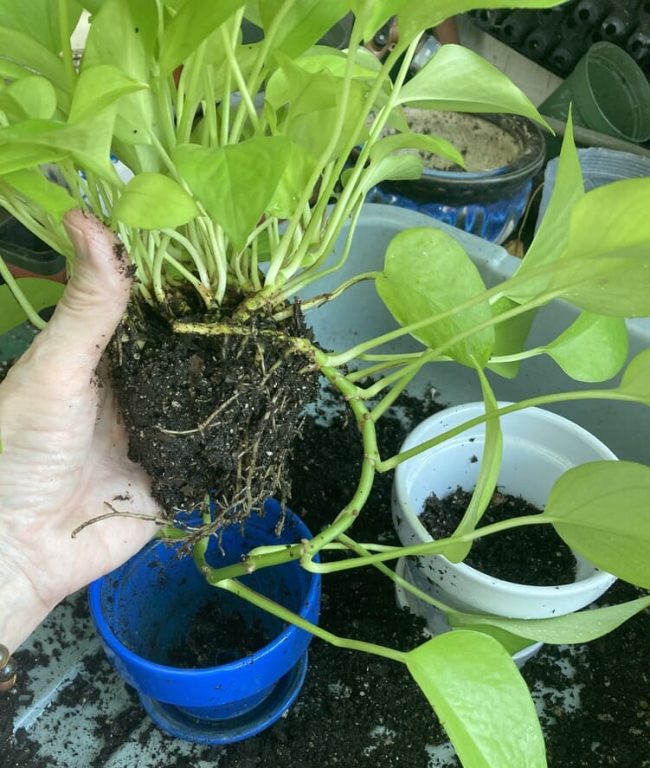
Not every houseplant grows at the same rate or responds identically to snug conditions. Plants such as hoya, pothos, peace lily, philodendron, and jade can often grow very well when relatively snug in their containers.
A fast-growing plant with a vigorous root system may need repotting more frequently when you follow the 2/3–1/3 ratios. That’s okay. Repotting more frequently because your plant is actively growing is very different from putting a small plant into an enormous container in anticipation of growth that hasn’t occurred yet.
Let the plant grow first. Let the roots grow. Then provide the additional space they need.
There’s another advantage to this method that isn’t discussed very often. It’s less expensive. Small pots cost less than large ones. You’ll use less potting soil. And you won’t be buying oversized containers years before your plants need them. More importantly, you may save the cost of repeatedly replacing plants that succumb to root rot from oversized containers.
I’ve heard from indoor gardeners who killed plant after plant before discovering that overpotting was contributing to their problems. One viewer told me she’d always thought she was planting in pots that were too small—only to discover that her pots had actually been too large. Another had been preparing to move a small plant from a 4-inch pot directly into an 8-inch one before learning about the ratio. That’s a substantial jump in soil volume for a small root system.
Learning to choose the right-sized pot costs nothing and can make an enormous difference in your success.
If you remember nothing else from this article, remember this:
This simple approach has guided the way I’ve repotted houseplants since the mid-1990s. And judging by the number of people who have told me that the 2/3–1/3 ratio changed the way they grow houseplants, it’s information worth remembering.
Your houseplants don’t need enormous pots to become enormous plants. They need the right-sized pots to grow healthy roots. And healthy roots are what make vigorous, thriving houseplants.
What does the 2/3 plant-to-1/3 pot ratio mean?
When you look at the plant and container together, approximately two-thirds of the overall vertical proportion should be plant and one-third pot. This is a visual guideline rather than an exact measurement.
What does the 2/3 roots-to-1/3 soil ratio mean?
When repotting, aim for approximately two-thirds existing root mass to one-third new potting soil within the new container. The goal is to give roots fresh soil and room for growth without surrounding a small root system with an excessive volume of wet soil.
Should I always move my houseplant up one pot size?
No. Examine the root system first. A plant with abundant healthy roots may need a larger pot. A plant with a modest root system may do best in approximately the same size container. A plant that has lost substantial roots may need to be downpotted.
Can I put a small houseplant into a big pot and let it grow into it?
I don’t recommend it. The excess potting soil can remain wet because there aren’t enough roots to use the available moisture. Rather than encouraging faster growth, overpotting can result in stalled growth, root dieback, root rot, and plant decline.
Can’t I solve the problem by watering an overpotted plant less often?
Not necessarily. Soil around the active roots can dry as the plant drinks while soil farther from the root system remains wet. Waiting for all the surrounding soil to dry can therefore create another moisture problem for the active root zone.
What is downpotting?
Downpotting is moving a plant into a smaller container so that the pot size better matches its current root mass. It can be necessary when roots have died back from overwatering, underwatering, root rot, or other problems, or when the plant was previously placed in an oversized pot.
How precisely do I need to measure the 2/3–1/3 ratios?
You don’t. These are ratios to eyeball, not mathematical measurements. With experience—and especially with a good visual reference—you’ll become very good at recognizing an appropriately sized pot.
Do houseplants mind being in small pots?
Many houseplants grow extremely well in relatively snug containers. Hoya, peace lily, philodendron, Pachira aquatica (Money tree), and jade are examples. What matters is the health and size of the root system and the particular plant’s growing habits, not simply whether the pot looks small to you.
How do I know if the pot I’ve chosen is too large while I’m repotting?
Notice if much new soil is required around the root ball. If a relatively small root system is going to be surrounded by several inches of new potting soil on all sides, reconsider the pot size. The roots should occupy a substantial portion of the container rather than looking tiny inside it.