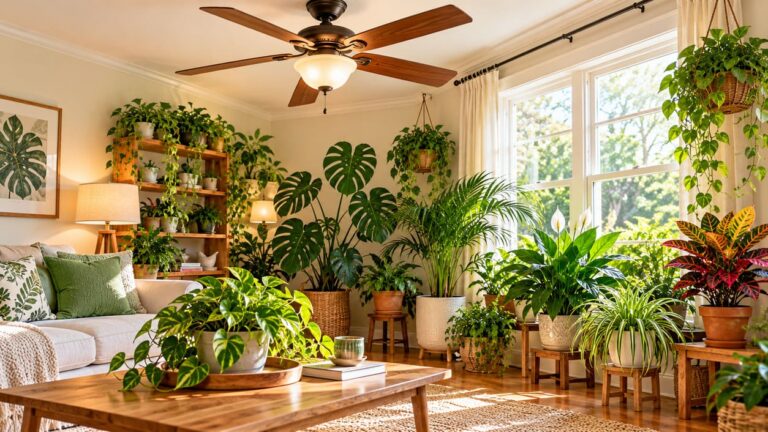
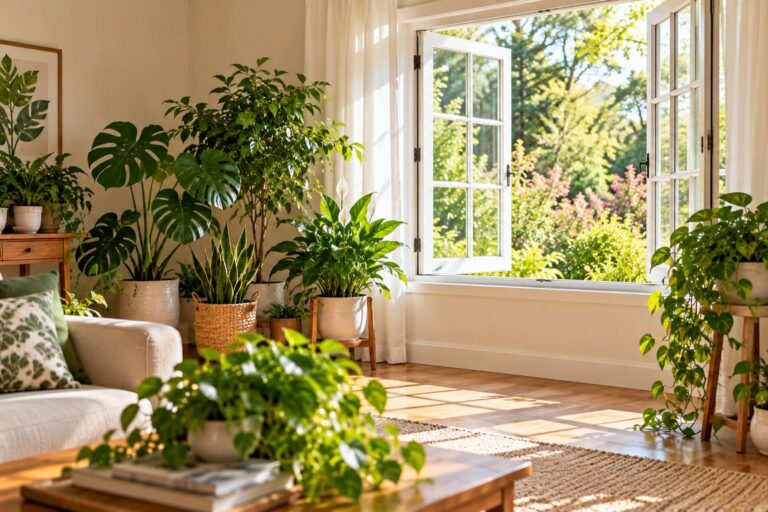
When growing houseplants, we often focus on providing the right amount of light, water, humidity, and fertilizer. But there’s another important factor that can make a difference in how well your indoor garden grows: air circulation.
Outdoors, plants experience moving air throughout the day. Even on relatively calm days, there’s usually some air movement. Indoors, however, the air surrounding houseplants can remain relatively still, especially when plants are grouped together or grown in enclosed spaces.
Providing adequate air circulation helps create a healthier growing environment for your houseplants. It can also encourage stronger stems.
How Air Circulation Benefits Houseplants
Air circulation benefits houseplants in several ways, from encouraging stronger growth to helping maintain healthier growing conditions. Just as plants outdoors experience natural breezes, indoor plants benefit from some movement of the air around them. Here are some of the ways good air circulation can help your indoor garden thrive.
Encourages Stronger Stems
One of the interesting ways plants respond to moving air is by developing stronger stems. When plants experience mild, repeated movement from a breeze, they respond to that mechanical stimulation by adjusting their growth. This process, known as thigmomorphogenesis, can encourage sturdier, more compact growth.
This is particularly helpful when growing seedlings indoors or overwintering plants that will eventually be transplanted outdoors.
In my video on air circulation, I demonstrate this with a heliotrope I’m growing indoors for eventual planting in an outdoor garden. I also show a sensitive plant (Mimosa pudica), which responds to movement by folding its leaves. You don’t need strong wind to encourage these responses. A light breeze that causes a little movement is generally sufficient.
Helps Reduce Conditions Favorable to Certain Plant Diseases
When air remains stagnant around plants, especially in humid environments, moisture can linger on leaves and other plant surfaces. This can create conditions favorable to certain fungal and bacterial diseases.
Improving circulation helps moisture evaporate from foliage and reduces pockets of excessively humid, stagnant air.
Air circulation isn’t a guarantee against disease, however. Proper watering, sanitation, adequate spacing, and suitable growing conditions are also important.
Helps Maintain a More Consistent Growing Environment
Air circulation helps distribute air throughout an indoor growing space, reducing pockets of excessive humidity or heat. This can be especially useful when growing houseplants close together, under grow lights, or in a room where air movement is limited.
The goal isn’t to create windy conditions indoors. It’s to prevent the air around your plants from remaining completely stagnant.
How to Improve Air Circulation Around Houseplants
One of the simplest ways to improve air circulation is to use a fan. Position a small fan so that it creates a light breeze around your plants rather than blasting them directly with a strong stream of air. Or provide air movement from above via a ceiling fan turned to the medium setting.
Watch how your plants respond. A little movement in the leaves is fine, but foliage shouldn’t be constantly whipping around or stems bending excessively.
You can experiment with running a fan for an hour or two a day, particularly when growing seedlings or plants destined for the outdoor garden. In other growing situations, longer periods of gentle circulation may be appropriate.
The best approach depends on the plants, room conditions, humidity, and strength of the airflow.
You can also improve circulation by allowing some space between plants and avoiding overcrowding, particularly when foliage is dense.
The Difference Between Air Circulation and Drafts
Although air movement benefits houseplants, not all moving air is helpful. The key is to provide beneficial airflow without exposing plants to extreme temperatures or excessive drying.
I generally recommend keeping houseplants away from heating and air-conditioning vents. Heating systems can direct hot, dry air toward foliage, while air-conditioning can expose plants to cool, drying airflow. These conditions can lead to moisture stress, brown leaf tips, and other damage.
Cold drafts from frequently opened doors or poorly insulated windows can also stress tropical houseplants. However, opening a window on a mild, slightly breezy day can be an excellent way to introduce fresh air and improve circulation. Just make sure your plants aren’t sitting directly in a strong breeze or exposed to sudden temperature changes.
A fan creating a moderate, room-temperature breeze is another good option. Unlike the hot or cold air blowing from heating and cooling vents, this type of airflow helps keep air moving around your plants without subjecting them to potentially damaging conditions.
Air Circulation for Seedlings and Plants Moving Outdoors
Air circulation is particularly useful when you’re starting vegetables or flowers indoors for transplanting into the garden. Seedlings grown in still indoor air may develop tender stems that haven’t experienced much physical movement. A light breeze can encourage sturdier growth while also helping prevent overly damp conditions around the seedlings.
Keep in mind, however, that using a fan doesn’t replace the process of hardening off plants before moving them outdoors. Plants still need to become accustomed gradually to outdoor sunlight, temperature fluctuations, and wind.
Watch How Your Houseplants Respond
As with many aspects of indoor gardening, observation is essential. Start with a low fan setting and watch the foliage. If plants appear stressed, leaves are drying too quickly, or stems are bending excessively, reduce the airflow, or move the fan farther away.
Some plants tolerate more movement than others. Sensitive plants (Mimosa pudica), for instance, are especially interesting to watch because their leaves fold in response to mechanical stimulation. That doesn’t mean you should repeatedly expose them to strong airflow simply to trigger the reaction.
Remember that your goal is to replicate beneficial aspects of nature—not to create a windstorm in your living room!
With a little attention to air movement, you can help your indoor garden develop stronger growth and enjoy a healthier growing environment.
Frequently Asked Questions About Houseplant Air Circulation
Do all houseplants need air circulation?
All houseplants benefit from an environment with adequate air exchange, but the amount of air movement needed varies. Plants growing in crowded, humid, or enclosed conditions may benefit especially from improved circulation.
Can I use a fan to improve air circulation?
Yes. A small fan on a low setting can provide beneficial airflow. Position it to create a light breeze rather than a strong, constant blast directly against the foliage. Ceiling fans set to medium can also benefit houseplants.
How long should I run a fan around houseplants?
There’s no single schedule that works for every situation. An hour or two of gentle airflow can be a useful starting point for seedlings or plants being grown temporarily indoors. Other setups may benefit from longer circulation, depending on humidity, temperature, and plant needs.
Does air circulation prevent houseplant pests and diseases?
Air circulation can help reduce conditions favorable to certain diseases, particularly those associated with prolonged moisture on foliage or stagnant, humid air. It doesn’t reliably prevent insect or mite infestations, so regular inspection and appropriate pest management remain important.
Can air circulation help plants that will eventually grow outdoors?
Yes. Gentle air movement can encourage sturdier stems in seedlings and other plants grown indoors before transplanting. However, plants still require gradual hardening off before being placed outdoors permanently.
Why should I keep houseplants away from heating and air-conditioning vents?
Heating and cooling vents can expose foliage to excessive drying or temperatures outside a plant’s preferred range. These conditions may cause stress, including brown leaf tips and other damage.
Is air circulation beneficial for sensitive plants?
Yes, but avoid excessive airflow. Sensitive plants (Mimosa pudica) fold their leaves in response to touch and other mechanical stimulation, including movement caused by air. A light breeze is preferable to strong, constant wind.
Julie Bawden-Davis is a best-selling garden author, blogger, YouTuber and Master Gardener dedicated to sharing indoor gardening expertise with aspiring gardeners. She has published several gardening books and more than 5,000 articles in major publications. A former garden columnist for the LA Times, San Francisco Chronicle and Parade.com, she is founder of HealthyHouseplants.com and its YouTube channel.
 Julie Bawden-DavisOctober 24, 2026