How Regional Climate Affects Indoor Houseplants and What You Can Do About It
 Julie Bawden-DavisOctober 24, 2026



 Julie Bawden-DavisOctober 24, 2026
Keeping houseplants healthy involves more than watering them regularly and finding a sunny spot near the window. You might follow the care instructions carefully, choose a suitable potting mix, and make sure your plants receive enough light, only to notice that their leaves are turning yellow, developing brown edges, or growing more slowly than expected. While these problems are often associated with watering mistakes or insufficient sunlight, the climate in your region could also be influencing how well your indoor plants grow.
Although houseplants live indoors, they aren’t completely protected from outdoor environmental conditions. Changes in temperature, humidity, daylight hours, and seasonal weather patterns can affect the growing conditions inside your home, even when you use heating or air conditioning to maintain a comfortable living space. For example, a tropical plant that grows beautifully in a humid coastal home might struggle in a dry inland apartment, while another plant may thrive throughout summer but show signs of stress when winter arrives.
The good news is you don’t need to live in a particular climate to enjoy healthy, thriving houseplants. Once you understand how regional weather influences your indoor environment, you can make practical adjustments to watering, lighting, humidity, and plant placement that help your plants stay healthy throughout the year.
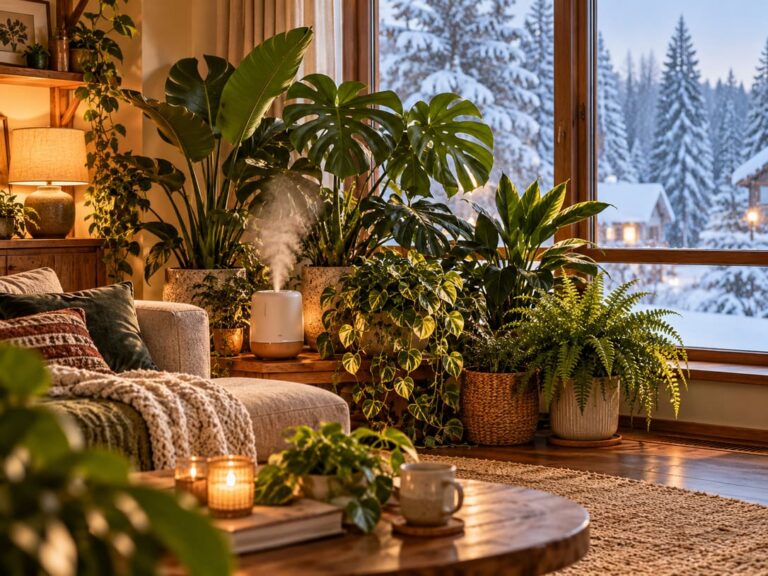
Your home provides shelter from extreme weather, but the conditions outside still influence the environment your plants experience every day. Outdoor temperatures affect how frequently you use heating and cooling systems, while regional humidity levels influence how much moisture remains in the indoor air. Seasonal changes in daylight also determine how much natural sunlight enters your windows, which directly affects plant growth and water consumption.
In regions with cold winters, indoor heating often creates conditions that feel comfortable for people but are relatively dry for moisture-loving plants. This can be particularly challenging for tropical varieties that naturally grow in humid environments, as their leaves may begin to develop brown tips or curled edges. In warmer, more humid regions, indoor moisture levels may remain higher, which can benefit certain plants but also increase the likelihood of persistently damp soil when ventilation is limited.
Regional differences become especially noticeable when people move to a new climate. For example, someone moving to Edison may encounter New Jersey’s cold winters and humid summers, which can influence indoor humidity, available sunlight, and how quickly potting mix dries. Understanding those seasonal patterns makes it easier to anticipate changes and adjust plant care before problems develop.
Rather than assuming the same care routine will work in every location, it helps to consider how your particular climate interacts with the conditions inside your home. This approach allows you to respond to your plants’ actual needs instead of relying entirely on general care recommendations.
Different climates create different challenges for indoor gardening, largely because temperature and humidity affect how plants absorb, use, and release moisture. While the conditions inside your home may differ from those outdoors, understanding the characteristics of your regional climate can help you identify which environmental factors deserve the most attention.
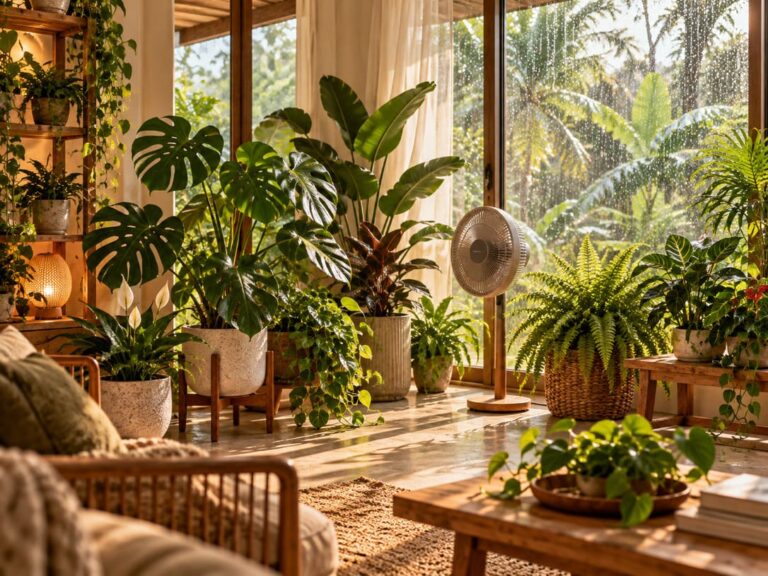
Homes in hot and humid regions can provide favorable growing conditions for many tropical houseplants, especially varieties that naturally grow beneath rainforest canopies. Plants such as peace lilies, calatheas, and many ferns often appreciate higher humidity because it helps reduce excessive moisture loss through their leaves, allowing their foliage to remain healthy and hydrated.
However, consistently humid conditions can also create problems when moisture isn’t properly managed. Potting soil may take longer to dry, particularly in rooms with limited airflow or containers that don’t drain efficiently. When roots remain surrounded by excess water for extended periods, they may struggle to access the oxygen they need, increasing the risk of root damage and disease.
To prevent these problems, check soil moisture before watering, use containers with drainage holes, and ensure that plants have enough space for air to circulate around their foliage. Gentle airflow from a fan or suitable natural ventilation can also help prevent stagnant conditions without exposing delicate leaves to harsh drafts.
Dry climates present a different set of challenges because low humidity can increase moisture loss from plant leaves, particularly when indoor temperatures remain warm. Houseplants with thin or delicate foliage may develop crispy edges, curling leaves, or signs of dehydration when the surrounding air is much drier than they prefer.
If your home regularly experiences low humidity, using a humidifier near moisture-loving plants can help create more comfortable conditions. You can also group plants with similar environmental needs, although grouping alone may not significantly increase humidity throughout a room. Keeping sensitive varieties away from intense afternoon sunlight and direct heating or cooling airflow can further reduce unnecessary stress.
For homes that remain consistently dry, choosing naturally drought-tolerant varieties can make plant care more manageable. Snake plants, jade plants, and many succulents are generally better suited to lower humidity than plants that naturally grow in moist tropical environments, although they still require appropriate lighting and watering.
In regions with cold winters and noticeable seasonal changes, houseplant care often requires adjustments as temperatures and daylight hours fluctuate. During winter, heating systems can lower indoor relative humidity, while shorter days and weaker available sunlight may slow plant growth. These changes often mean that plants use water less quickly than they do during warmer, brighter months.
Cold windows and poorly insulated doors can also create localized temperature differences that affect sensitive houseplants. A plant positioned against chilly glass may experience significantly lower temperatures than another sitting a short distance away, even though both are technically in the same room.
Moving vulnerable plants away from cold surfaces, monitoring indoor humidity, and adjusting watering according to soil moisture can help prevent seasonal stress. When natural daylight becomes insufficient, supplemental grow lights may also support healthy growth, particularly for plants that require consistently bright conditions.
Temperature and humidity are closely connected to plant health because they influence important processes such as photosynthesis, moisture loss, and nutrient uptake. Many common tropical houseplants grow well at typical indoor temperatures, although preferred temperature ranges vary by species.
Problems can develop when temperatures fluctuate significantly or when plants are exposed to conditions outside their preferred range. For instance, placing a houseplant near a heating vent may expose it to warm, dry air for several hours each day, while keeping it beside a drafty window could subject its foliage to cold temperatures overnight. These repeated changes can contribute to leaf damage, slowed growth, or other signs of environmental stress.
Humidity is equally important, particularly for plants with thin leaves that lose moisture relatively quickly. When indoor air becomes too dry, some plants may struggle to replace the moisture escaping through their foliage, resulting in brown leaf edges or curling leaves. However, these symptoms aren’t exclusive to low humidity, so it’s worth checking watering habits, soil conditions, and other environmental factors before deciding on a solution.
A simple indoor hygrometer that also reads temperature can help you understand the temperature and humidity levels around your plants. Rather than constantly adjusting your home environment, use these readings to recognize seasonal patterns and identify locations where particular plants are likely to grow comfortably.
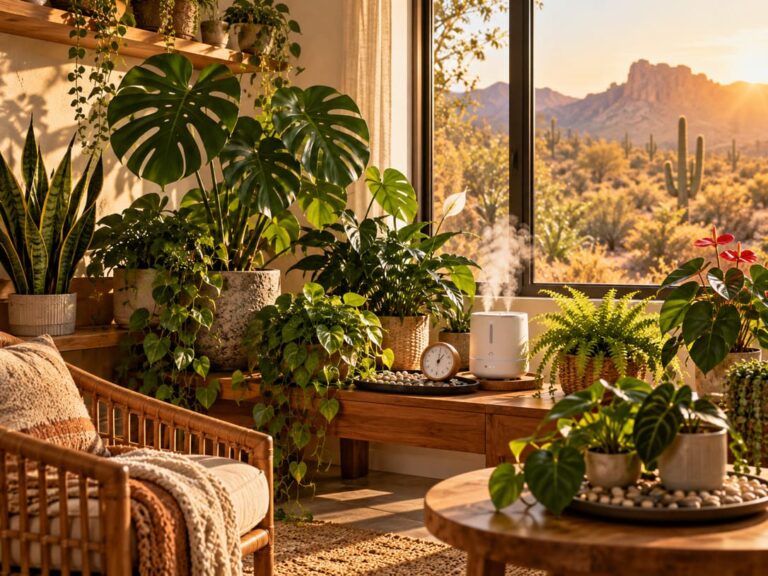
Sunlight is another environmental factor that changes with regional climate and seasonal weather patterns, often influencing houseplants more than people realize. Even when a plant remains beside the same window throughout the year, the amount and intensity of light it receives may change because of shorter days, shifting sun angles, and differences in cloud cover.
During winter, plants in many temperate regions receive fewer hours of natural daylight, which can slow photosynthesis and reduce overall growth. Since plants often use less water when light levels decrease, soil may remain moist longer than expected, increasing the risk of overwatering when the usual summer watering schedule continues unchanged.
During brighter months, the opposite problem may occur when stronger direct sunlight reaches plants that previously received gentle, indirect light. Some varieties may develop bleached patches, scorched foliage, or other signs of excessive light exposure, particularly when they’re positioned close to windows that receive intense afternoon sunshine.
Have you ever noticed a houseplant leaning noticeably toward a window or producing unusually long stems with widely spaced leaves? These changes may indicate that it isn’t receiving enough light, although the exact symptoms depend on the species.
Adjusting plant placement as the seasons change can help maintain suitable lighting conditions. Moving plants closer to a bright window during darker months, using sheer curtains to filter intense sunlight, or introducing a grow light when necessary, can make a considerable difference without requiring complicated equipment.
Once you understand how climate influences indoor growing conditions, the next step is developing a flexible care routine that responds to those changes. Rather than treating watering, lighting, and humidity as fixed requirements throughout the year, it’s more useful to monitor your plants and adjust your approach based on their environment.
Watering needs often change throughout the year because temperature, humidity, sunlight, and plant growth all influence how quickly moisture leaves the soil. During warm, bright periods, plants may use water more actively, while cooler temperatures and reduced sunlight can slow growth and increase the time needed for potting soil to dry.
Instead of watering every plant on a strict schedule, check the soil before adding water and consider the preferences of each species. Some tropical plants prefer their potting mix to remain lightly moist, whereas succulents and other drought-tolerant varieties generally need more drying time between waterings.
This approach helps prevent both overwatering and underwatering while encouraging you to pay attention to the conditions your plants are actually experiencing.
Selecting houseplants that naturally suit your home’s conditions can make indoor gardening easier and more rewarding. If your rooms remain relatively dry throughout the year, drought-tolerant plants may require less environmental adjustment than tropical varieties that prefer consistently high humidity.
On the other hand, homes with naturally humid rooms and suitable indirect sunlight may provide excellent conditions for certain ferns, peace lilies, and other moisture-loving plants. However, humidity alone isn’t enough to determine whether a plant will thrive, since appropriate light, drainage, and temperature remain essential.
Choosing suitable plants doesn’t mean limiting yourself to only a few varieties. It simply allows you to create a collection that works with your living environment rather than requiring constant changes to keep every plant comfortable.
Good air circulation supports healthier indoor growing conditions by helping moisture evaporate from damp surfaces and reducing stagnant air around crowded foliage. This can be particularly useful in humid climates, where excess moisture may remain on leaves or in potting soil for longer periods.
You can improve airflow by leaving reasonable space between plants, opening windows when outdoor conditions are appropriate, or using a fan on a gentle setting. The goal is to encourage mild air movement rather than exposing plants to strong gusts from heating systems, air conditioners, or cold outdoor air.
Not every room in your home provides the same growing environment, even when the building is located in a single climate region. A bright living room with large windows may become warm and relatively dry during the afternoon, while a bathroom with limited ventilation could maintain higher humidity but provide considerably less natural light.
Observing these differences helps you identify suitable locations for plants with different environmental preferences. A moisture-loving plant might perform better in a naturally humid room with sufficient light, while a drought-tolerant variety could be more comfortable in a bright, relatively dry space.
Sometimes, improving a plant’s health is as simple as finding a better location within your home rather than making major changes to your care routine.
One of the biggest mistakes indoor gardeners make is assuming that a care routine that works during one season will remain equally effective throughout the year. Since regional climate affects temperature, humidity, and sunlight, maintaining exactly the same watering schedule and plant placement can sometimes lead to problems as conditions change.
Overwatering during winter is particularly common because reduced sunlight and slower growth can cause soil to remain moist longer. Similarly, placing plants too close to heating vents or poorly insulated windows may expose them to extreme conditions that aren’t immediately noticeable elsewhere in the room.
Another mistake is assuming that visible leaf damage always has one obvious explanation. Brown tips, yellowing leaves, and wilting can result from several different causes, including watering problems, humidity changes, temperature stress, and unsuitable light exposure.
Before making adjustments, examine the soil, consider recent environmental changes, and observe whether the problem affects older leaves, new growth, or the entire plant. Making one thoughtful change at a time can help you identify what’s working without creating additional stress.
Growing healthy houseplants doesn’t require perfect weather or a home with precisely controlled environmental conditions. What matters most is recognizing that regional climate influences the temperature, humidity, and sunlight your plants experience indoors, then adapting your care routine as those conditions change.
Whether you live in a humid coastal region, a dry inland area, or somewhere with cold winters and warm summers, you can create a supportive growing environment by choosing suitable plants, checking soil moisture, maintaining appropriate lighting, and paying attention to seasonal differences. Small adjustments often have a greater impact than complicated routines, especially when they’re based on what your plants actually need.
Over time, observing your houseplants will help you recognize their responses to environmental changes and make better decisions about their care. Instead of expecting every plant to thrive under identical conditions, focus on understanding its individual needs and how those needs interact with your home.
With a little patience, consistent observation, and a willingness to adjust your approach, you can enjoy healthy, attractive houseplants throughout the year, regardless of the climate outside.