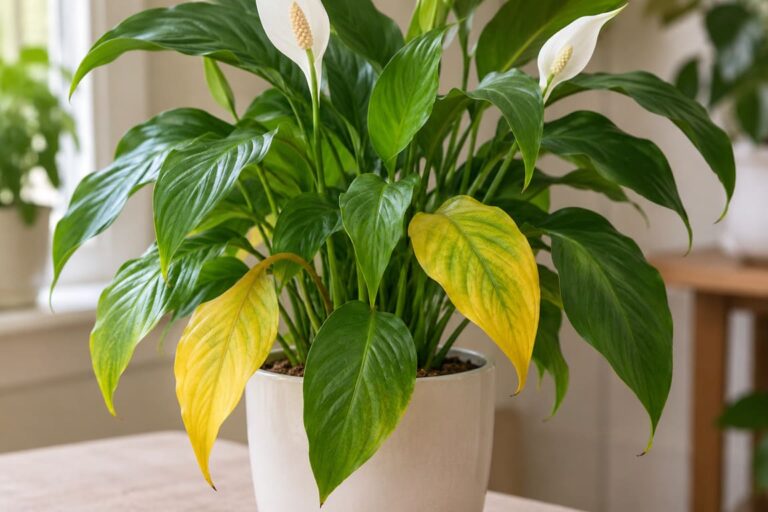
Few things are more frustrating for indoor gardeners than noticing yellow leaves on a once-healthy houseplant. Whether you are caring for a lush pothos, a leafy monstera, or a delicate peace lily, changes in leaf color can signal that something in the growing environment needs attention.
The good news is that yellow leaves do not always mean your plant is dying. Identifying the cause early can help you correct the problem and encourage healthier growth. Here are the most common reasons houseplant leaves turn yellow and practical ways to address each one.
1. Overwatering and Poor Drainage
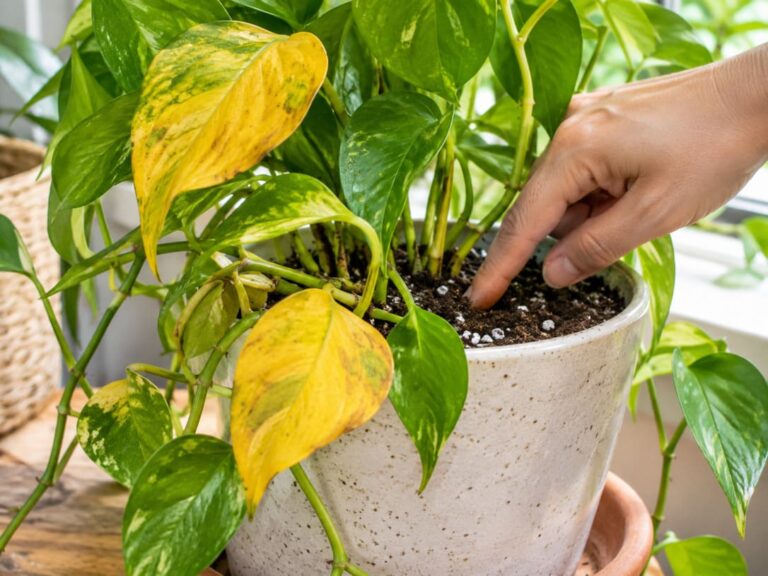
Overwatering is one of the most common reasons indoor plants develop yellow leaves. When potting soil stays wet for extended periods, the root zone can become poorly aerated. This limits oxygen availability and can eventually cause root damage or root rot.
You may notice lower leaves turning yellow, stems becoming soft, or the entire plant appearing weak despite consistently moist soil. A musty smell coming from the pot can also indicate deteriorating roots.
How to fix it: Check the soil before watering instead of following a rigid schedule. Many tropical houseplants benefit from allowing the upper layer of potting mix to dry between waterings. Make sure the container has drainage holes and never leave excess water sitting in the saucer. If the roots are dark, mushy, or unpleasant smelling, remove the damaged portions and repot the plant in fresh, well-draining soil.
2. Underwatering and Inconsistent Moisture
Too little water can produce symptoms similar to overwatering, making diagnosis confusing. When roots cannot absorb enough moisture, leaves may lose their natural green color, become dry, and eventually turn yellow or brown.
Plants that receive occasional light watering may also struggle because the water never reaches the entire root ball. Some leaves may droop, curl, or develop crispy edges before falling off.
How to fix it: Water thoroughly until excess moisture drains through the bottom of the container. Allow the soil to reach the appropriate dryness level before watering again. Remember that succulents, tropical foliage plants, and moisture-loving varieties have different watering requirements. Adjust your routine according to the plant species rather than treating every houseplant alike.
3. Insufficient or Excessive Light
Light plays an essential role in chlorophyll production, photosynthesis, and overall plant health. When a houseplant receives too little light, its growth may become weak, and its leaves can gradually lose their vibrant green appearance.
On the other hand, excessive direct sunlight can damage delicate foliage. Leaves exposed to intense sunlight through a window may develop pale or yellow patches, sometimes followed by dry, brown areas.
How to fix it: Research the lighting requirements of your particular plant. Move low-light varieties away from harsh afternoon sunlight, while sun-loving plants may benefit from a brighter position. If you need to relocate a houseplant, make the adjustment gradually to avoid sudden changes in light intensity. Rotating the pot occasionally can also help different sides receive more balanced exposure.
4. Nutrient Deficiencies in Potting Soil
Houseplants depend on essential nutrients to maintain healthy foliage and produce new growth. Nitrogen, magnesium, iron, and other nutrients contribute to different plant functions. When the growing medium lacks an essential element, leaves may develop discoloration.
Nitrogen deficiency commonly causes older leaves to turn pale or yellow because the plant redirects available nitrogen toward newer growth. Iron deficiency, by contrast, often affects young leaves, causing yellow tissue between the veins while the veins remain greener.
How to fix it: Use a balanced fertilizer formulated for indoor plants during the appropriate growing season. Follow the recommended application rate because excessive fertilizer can damage roots and create additional problems. If yellowing continues despite regular feeding, consider whether soil pH or root health is preventing nutrient absorption. Adding more fertilizer without identifying the deficiency may make matters worse.
5. Pests Feeding on Houseplant Foliage
Pests can gradually weaken indoor plants by feeding on their leaves and stems. Spider mites, aphids, mealybugs, and scale insects are common houseplant pests. Their feeding activity can cause yellow spots, faded foliage, distorted new growth, and premature leaf drop.
Ants may occasionally appear around affected plants because they are attracted to honeydew produced by aphids, mealybugs, and scale insects. Their presence can be another reason to inspect foliage carefully. For additional background on ant activity, seecan I get rid of ants overnight and thisExtension resource.
How to fix it: Isolate an affected plant from nearby houseplants to reduce the risk of pests spreading. Rinse the foliage gently with water and remove heavily infested leaves when appropriate. For persistent infestations, use an insecticidal soap labeled for indoor use and appropriate for the plant and pest. Follow the product instructions and test it on a small area before treating the entire plant.
6. Temperature Changes and Cold Drafts
Indoor plants can be sensitive to sudden temperature fluctuations. Cold air entering through windows, frequent exposure to air conditioning, and placement near heating vents can interfere with normal plant functions.
Some plants respond to these conditions by developing yellow leaves that eventually fall off. This problem is especially common when tropical houseplants experience cold drafts during winter or are placed too close to frequently opened exterior doors.
Houseplants may also develop yellow leaves after a sudden change in location or growing conditions. Moving a plant from outdoors to indoors, changing its light exposure, or relocating it within the home can cause temporary stress while it adjusts.
How to fix it: Keep sensitive plants away from drafty windows, exterior doors, and direct airflow from heating or cooling equipment. Maintain a relatively stable indoor temperature suited to each species. Avoid placing foliage directly against cold window glass, particularly overnight.
7. Natural Aging of Older Leaves
Not every yellow leaf indicates poor plant health. As houseplants mature, older leaves naturally lose their usefulness and eventually fall away. This process, known as senescence, allows plants to redirect resources toward newer growth.
If only one or two older leaves near the bottom of the plant turn yellow while the remaining foliage looks healthy, natural aging may be the explanation.
How to fix it: There is usually nothing to correct. Simply remove fully yellow or dried leaves using clean garden scissors. However, pay attention if several leaves begin changing color within a short period, as this may indicate a watering, lighting, or nutrient problem.
How to Prevent Yellow Leaves on Indoor Plants
Preventing yellow foliage starts with understanding the growing requirements of individual houseplants. A consistent care routine can reduce stress and help plants maintain healthy leaves throughout the year.
Check soil moisture: Feel the potting mix before watering and adjust according to the plant’s needs.
Provide suitable lighting: Match each plant with an appropriate location rather than assuming all indoor plants prefer the same conditions.
Inspect foliage regularly: Examine leaf undersides and stems for early signs of pests or disease.
Use suitable potting soil: Choose a well-draining growing medium that supports healthy root development.
Fertilize appropriately: Supply essential nutrients during active growth without exceeding recommended amounts.
Maintain stable conditions: Protect plants from sudden temperature changes and harsh drafts.
Help Your Houseplants Maintain Healthy Green Foliage
Yellow leaves are a symptom, not a diagnosis. Overwatering, insufficient light, nutrient deficiencies, pests, and environmental changes can all affect the appearance of indoor plants. The most effective approach is to examine the foliage, check the soil, and review recent changes in the plant’s surroundings before choosing a solution.
With attentive observation and suitable growing conditions, many houseplants can recover from yellowing and produce fresh, healthy foliage. Learning to recognize early warning signs also makes routine plant care easier and helps prevent small problems from becoming serious ones.
Julie Bawden-Davis is a best-selling garden author, blogger, YouTuber and Master Gardener dedicated to sharing indoor gardening expertise with aspiring gardeners. She has published several gardening books and more than 5,000 articles in major publications. A former garden columnist for the LA Times, San Francisco Chronicle and Parade.com, she is founder of HealthyHouseplants.com and its YouTube channel.
 Julie Bawden-DavisNovember 5, 2026