When it comes to repotting houseplants, bigger isn’t always better. In fact, some houseplants grow best when their roots are relatively snug in their containers. Repotting these plants before they need it can cause more harm than good.
Although repotting is an important part of indoor plant care, knowing when not to repot is equally important. Moving a healthy plant into a larger pot unnecessarily can lead to overwatering, root rot, and transplant shock.
Understanding Rootbound Versus Potbound
You may have heard the terms rootbound and potbound used interchangeably. Although they are often treated as synonyms, I find it helpful to distinguish between the two conditions.
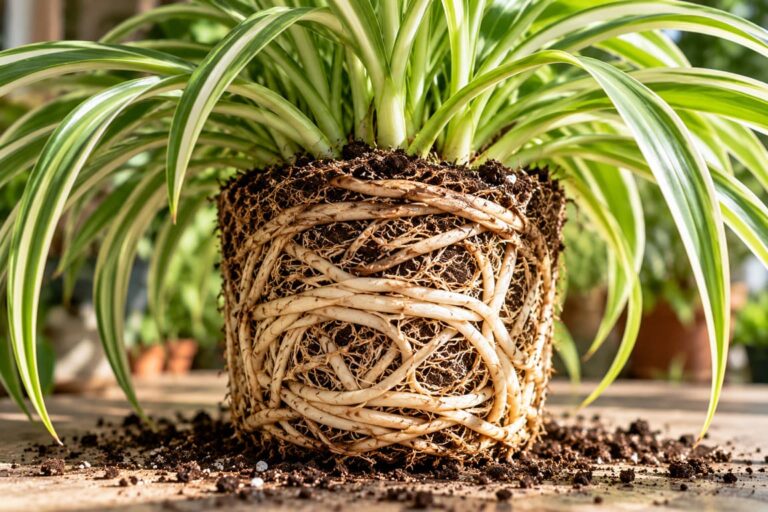
I use rootbound to describe a houseplant whose roots have filled much of its container but are still growing well. The roots fit snugly within the pot, yet the plant remains healthy.
Potbound, on the other hand, describes a plant whose roots have become so confined that they no longer have sufficient room to grow. The roots may circle extensively inside the container, and the plant may begin to suffer from inadequate access to water and nutrients.
A rootbound plant may be perfectly happy in its current container, while a severely potbound plant generally needs attention.
Houseplants That Prefer Snug Roots
Several popular houseplants grow well when their roots fit relatively snugly within their containers.
These include:
Spider plant
Peace lily
Philodendron, including heartleaf philodendron
Hoya
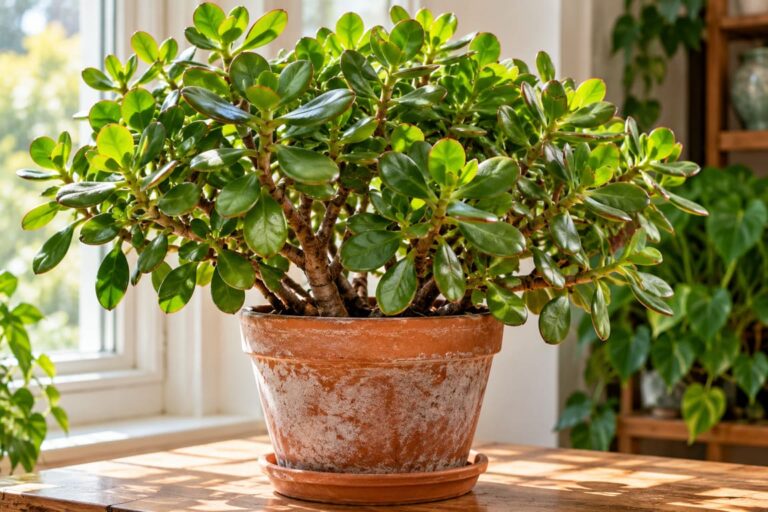
Jade plant
Aloe vera
Snake plant
Many other succulents
Some of these plants naturally grow in conditions where root space is limited. For example, certain philodendrons and Hoyas grow on trees in their native habitats, where their roots may occupy relatively confined spaces.
This doesn’t mean these houseplants should be left indefinitely in containers they’ve outgrown. Rather, it means they don’t necessarily require repotting simply because their roots have filled much of the available space.
If your spider plant, peace lily, or Hoya is growing well, looks healthy, and doesn’t require unusually frequent watering, there’s generally no reason to rush it into a larger pot.
Houseplants That Don’t Appreciate Restricted Roots
Not all houseplants tolerate crowded roots equally well. Monstera deliciosa, weeping fig (Ficus benjamina), and prayer plants are examples of houseplants that may become stressed when their roots are excessively confined.
These plants generally benefit from having adequate room for healthy root development. However, even with these houseplants, it’s important to avoid moving them into containers that are unnecessarily large.
Why Repotting Too Soon Can Cause Problems
One of the biggest mistakes indoor gardeners make is assuming that giving a houseplant plenty of extra room will encourage faster, healthier growth.
Unfortunately, the opposite can occur.
When a plant with a relatively small root system is moved into a much larger container, the excess potting mix can remain wet for too long. Without sufficient roots to take up moisture, the growing medium may become waterlogged, depriving roots of the oxygen they need.
Over time, these conditions can contribute to root rot and plant decline.
Repotting can also cause transplant shock, especially when the roots are disturbed or damaged during the process. Symptoms may include wilting, yellowing leaves, leaf drop, and temporarily slowed growth.
Even when a plant is moved into an appropriately sized container, it can experience transplant shock. That’s another reason not to disturb a healthy houseplant unnecessarily.
Signs It’s Time to Repot After All
Even houseplants that prefer snug quarters eventually outgrow their containers.
Watch for these signs:
The potting mix dries out much faster than it previously did.
Water rushes through the container without adequately moistening the root ball.
Plant growth has slowed considerably despite otherwise suitable growing conditions.
Leaves begin yellowing or the plant shows other signs of declining health.
Roots are densely circling inside the container, leaving little growing medium.
Roots emerging from drainage holes can also indicate that a plant needs attention, although this alone doesn’t always mean immediate repotting is necessary.
If you’re unsure, carefully remove the plant from its container and examine the roots. A healthy root system that fits snugly within the pot is different from a severely congested mass of roots with little growing medium remaining.
Remember that yellowing leaves and sluggish growth can have several causes, including improper watering and inadequate light. Evaluate the plant’s overall condition before deciding that repotting is the solution.
Choosing the Right Pot Size
When your houseplant does need a larger container, resist the temptation to move it into a pot that’s several sizes bigger.
In most cases, choose a container only one size larger, generally about 1 to 2 inches wider in diameter for smaller and medium-sized houseplants. For example, a plant growing in a 6-inch pot might move into an 8-inch container.
Also consider the size of the root system rather than relying solely on the size of the old pot. Sometimes a plant has been growing in a container that’s already too large for its roots. In that situation, moving it into a smaller pot, known as downpotting, may be the healthier choice.
When Leaving Your Houseplant Alone Is Best
One of the most important lessons I’ve learned from growing houseplants over the years is that they don’t always need us to intervene.
If your houseplant is growing well, has healthy foliage, and is taking up water normally, there’s often no reason to disturb its roots simply because you think it might appreciate a larger home.
Instead, continue providing appropriate light, moisture, and nutrients, and monitor the plant for signs that its growing conditions need to change.
When the time comes to repot, handle the roots carefully, choose an appropriately sized container, and return the plant to growing conditions the same as or similar to those it enjoyed before repotting.
Sometimes the best thing you can do for your foliar friends is to leave them happily growing right where they are.
Julie Bawden-Davis is a best-selling garden author, blogger, YouTuber and Master Gardener dedicated to sharing indoor gardening expertise with aspiring gardeners. She has published several gardening books and more than 5,000 articles in major publications. A former garden columnist for the LA Times, San Francisco Chronicle and Parade.com, she is founder of HealthyHouseplants.com and its YouTube channel.
 Julie Bawden-DavisNovember 5, 2026