Many homeowners view their indoor living spaces and their outdoor yards as two entirely separate environments, but bringing green elements across your back threshold creates a continuous and unified living space. Embracing a connected approach allows you to extend the soothing comfort of indoor foliage out into the yard, turning your entire property into a cohesive sanctuary.
Creating a fluid transition between indoor rooms and outdoor gardens does not require a complete architectural overhaul, because when you intentionally blend plant textures, colors, and layout sightlines, you make your home feel significantly larger and more deeply connected to nature.
Connect Indoor and Outdoor Plant Aesthetics
Building a unified home begins with selecting plants and materials that share visual traits across both sides of the glass. Using similar leaf shapes, textures, or color palettes helps bridge the gap between your living room shelves and your patio borders.
You can pair indoor tropicals like Monsteras or Fiddle Leaf Figs near patio glass with outdoor plants that offer broad, dramatic foliage like Hostas, Cannas, or hardy Ferns. Repeating ceramic planter colors, terracotta finishes, or natural wood tones indoors and outdoors further reinforces a single, harmonious design language.
When plant textures and containers flow naturally from the living room out onto the deck, the back door ceases to feel like a hard boundary and instead acts as a subtle transition zone.
Design Clear Pathways and Sightlines
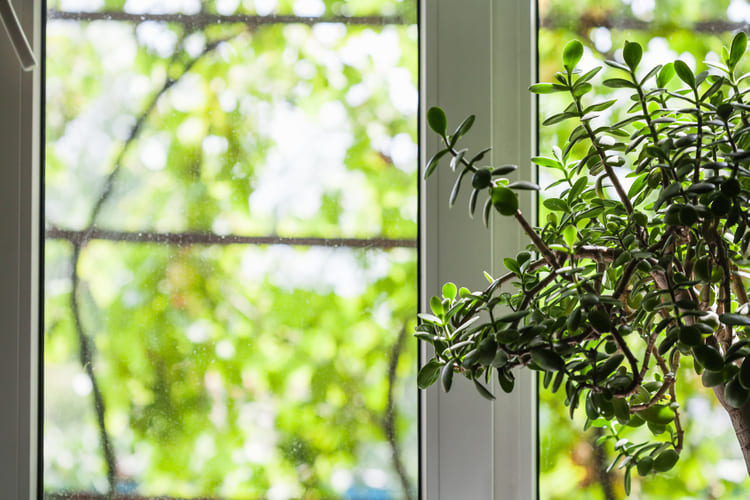
The layout of your furniture and plant stands is important in leading the eye from your interior to the garden. This explains why the placement of indoor potted plants on windowsills and the grouping of statement containers around sliding glass doors act as an easy visual lead into the garden space.
Think about how you see things from your interior sitting areas. When your garden beds, ponds, and specimen plants are aligned with your living room windows, the sight lines are clearly defined. Clear glass doors without draperies and furniture at exit doors that do not block the view are important.
Incorporating indoor plants in framing outdoor garden views gives the outdoor garden an ever-changing, painting-like appearance.
Plan Structural Transitions and Professional Execution
While styling windowsills and arranging patio pots make wonderful weekend tasks, physically uniting your home interior with your yard often requires structural coordination. That means extending your living space smoothly outside requires solid, weather-resistant surfaces that match your indoor floor heights.
For projects that involve patio expansion, custom decking, soil grading, or drainage adjustments, hiring experienced backyard outdoor living services ensures the hardscape foundation meets building standards and stands up to weather. Properly addressing structural elements, threshold elevations, and water run-off from the beginning prevents long-term structural issues and makes outdoor spaces more usable.
Getting the structural hardscaping, threshold levels, and water drainage right from the start ensures a safe, level transition that protects your home while making outdoor living effortless.
Establish Low-Maintenance Care Routines
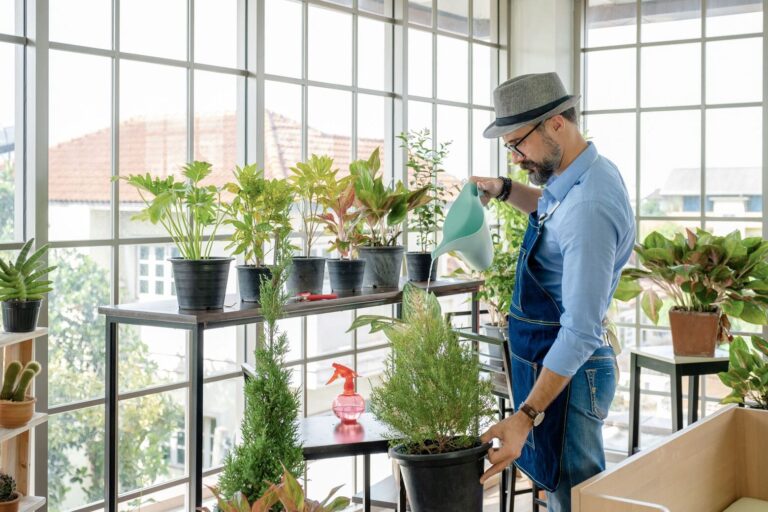
Caring for your indoor plants and outdoor garden beds should make your day-to-day experience more enjoyable and not become a source of stress. Ensuring there are overlapping care schedules helps both environments prosper without you stressing out. Arranging plants with the same light and water requirements helps, as does keeping track of the timing of watering and fertilizing.
Phase Your Integration Strategy for Lasting Success
Connecting your indoor and outdoor spaces doesn’t have to be done all at once. In fact, it can be difficult to work with more than one aspect of both interior and exterior decoration at the same time.
Begin gradually by decorating windowsills and then creating container plants outside the back door.
Create a Living Sanctuary That Enhances Daily Life
A truly connected home doesn’t follow strict design principles or fleeting trends but instead allows you to naturally merge all natural elements in the process of living. If your home is thoughtfully planned and has specific intentions, then the separate rooms will turn into a fluid world of greenery that will make you feel truly comfortable and at ease.
Creating a perfect balance between vivid plants indoors and garden beds outside will provide you with a wonderful and changing atmosphere from season to season. Proper construction in the beginning stages will help you build your outdoor property for a long time. Such an approach turns your ordinary house and yard into a unique haven, giving you a wonderful backdrop for your morning coffee, weekends, and evening walks.
Julie Bawden-Davis is a best-selling garden author, blogger, YouTuber and Master Gardener dedicated to sharing indoor gardening expertise with aspiring gardeners. She has published several gardening books and more than 5,000 articles in major publications. A former garden columnist for the LA Times, San Francisco Chronicle and Parade.com, she is founder of HealthyHouseplants.com and its YouTube channel.
 Julie Bawden-DavisSeptember 15, 2026