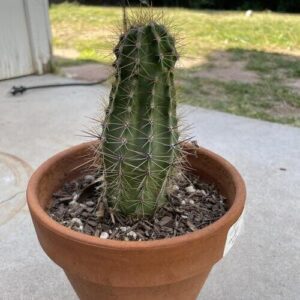
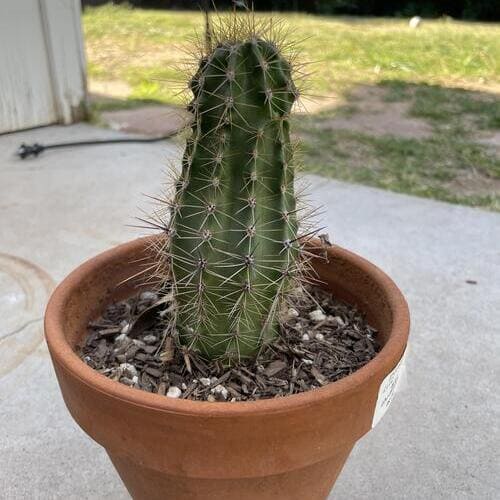
About Baby Saguaro Cactus

Baby Saguaro Cactus Introduction

The Saguaro cactus (Carnegiea gigantea) is one of the most iconic plants of the American Southwest, and the ‘Baby Saguaro’ simply refers to a young, juvenile specimen of this same species rather than a distinct variety. In its earliest years a saguaro grows extremely slowly, often reaching only an inch or two in height after its first decade of life. Because of this slow growth, baby saguaros are frequently grown in containers indoors or in protected nursery settings long before they are ever planted out into open desert soil.

Saguaros are native to the Sonoran Desert, found primarily in Arizona, small portions of California, and the Mexican states of Sonora and Baja California Sur. In the wild, seedlings depend heavily on ‘nurse plants’ such as palo verde or mesquite trees, which provide shade and protection from intense sun and frost during the vulnerable early years of growth. Without this protection, young saguaros are highly susceptible to sunscald, frost damage, and predation.

Notable features of the mature saguaro include its ribbed, columnar body capable of storing large volumes of water, and its signature branching arms that typically don’t appear until the plant is 50 to 100 years old. Baby saguaros, by contrast, are simple, unbranched, spine-covered green cylinders or globes, often only a few centimeters tall, making them popular as novelty houseplants and collector specimens despite their eventual enormous mature size (up to 40+ feet tall over a lifespan that can exceed 150 years).

Baby Saguaro Cactus Care & Growing Guide

Caring for a baby saguaro requires patience and a very different approach than caring for a mature desert specimen. Because young saguaros are small and slow-growing, they are commonly kept in pots for the first several years, sometimes decades, before being large enough to survive outdoors unprotected. The single most important factor in baby saguaro care is avoiding overwatering, as their small root systems are extremely prone to rot in consistently moist soil.

Light is another critical consideration. While adult saguaros thrive in full, blazing desert sun, seedlings and young plants in habitat naturally grow in the dappled shade of nurse plants. Indoors, a baby saguaro should be given bright light, ideally several hours of direct sun, but with some protection from the most intense afternoon rays until it matures, especially if it has been grown indoors or in a nursery and has not been hardened off to full sun exposure.

Beyond light and water, successful care hinges on using a fast-draining cactus or succulent soil mix, a shallow but well-drained pot, warm temperatures, and a very conservative fertilizing schedule. Repotting should be infrequent, and handling should always account for the plant’s spines. With consistent, careful attention to these fundamentals, a baby saguaro can be kept healthy for many years as it slowly grows toward the towering desert icon it is destined to become.

 Soil Soil

Baby saguaros require an extremely fast-draining soil mix, as their roots are highly susceptible to rot in moisture-retentive soil. A commercial cactus and succulent mix amended with extra mineral grit such as pumice, perlite, or coarse sand (roughly 50 percent mineral grit to 50 percent organic mix) works well. The ideal pH range is slightly acidic to neutral, around 6.0 to 7.0. Good drainage is non-negotiable; the soil should allow water to pass through quickly and never remain waterlogged. Amendments like pumice or perlite improve aeration and prevent compaction, while a small amount of crushed granite can add mineral content similar to native desert soils. Poor soil composition directly impacts saguaro health: compacted or poorly drained soil leads to root rot, while soil that is too rich in organic matter can hold excess moisture and nutrients the plant is not adapted to use. Common soil problems to watch for include poor drainage (leading to root rot), compaction over time (reducing oxygen to roots), inappropriate pH (which can lock out nutrients), salt build-up from fertilizer or hard tap water (visible as white crust on the soil surface), nutrient deficiencies (showing as pale or yellowing tissue), and root boundness in pot-bound specimens (indicated by roots circling the pot or emerging from drainage holes).

 Fertilizer Fertilizer

Baby saguaros need only light, infrequent fertilization, as they are adapted to nutrient-poor desert soils. A cactus-specific fertilizer with a balanced or slightly phosphorus-heavy ratio, diluted to half or quarter strength, applied once or twice during the active growing season in spring or early summer, is generally sufficient. Signs of over-fertilization include a buildup of white salt crust on the soil surface, burned or browned root and stem tissue, and stunted or distorted new growth. Signs of under-fertilization are subtle in this slow-growing species but can include very pale coloration or minimal growth over an extended active season despite otherwise good care. Organic alternatives include a well-diluted fish emulsion or compost tea used sparingly, though synthetic cactus fertilizers are more commonly used for precise dosing. Saguaros have no unusual nutrient requirements beyond standard cactus care, but as with most cacti, over-fertilizing with nitrogen-heavy formulas can promote weak, water-logged growth prone to rot.

 Watering Watering

Baby saguaros should be watered thoroughly but infrequently, allowing the soil to dry out completely between waterings, mimicking the arid desert environment. Rainwater or distilled water is preferable to hard tap water, which can cause mineral and salt build-up in the soil over time; if tap water is used, occasional flushing of the pot can help prevent salt accumulation. Overwatering is the most common cause of death in young saguaros and shows up as soft, mushy, discolored tissue, often starting at the base, along with a foul odor in severe cases. Underwatering, by contrast, causes the plant to shrink, wrinkle, or pucker as it draws on its internal water reserves, though saguaros are far more tolerant of underwatering than overwatering. Watering needs shift seasonally: during the active growing season in spring and summer, watering can occur every one to two weeks depending on climate and pot size, while in fall and winter, watering should be reduced significantly to every four to six weeks or less, supporting the plant’s natural dormancy period.

Baby Saguaro Cactus Watering Calculator

🪴 Precision Watering Intelligence

Science-Based Hydration for Your Collection

Stop guessing. Most houseplant failures are caused by volumetric errors and improper moisture tension. Our deterministic calculator moves beyond "once-a-week" watering by analyzing the four critical pillars of root health:

  • • Transpiration Coefficients: 120+ species mapped by metabolic rate.
  • • Substrate Porosity: Adjusts for Standard vs. Cactus/Well-Draining mixes.
  • • Geometric Volume (V = π r² h): Calculates exact cups based on pot surface area.
  • • The Drainage Factor: Accounts for pot material (Terracotta) and the risk of a perched water table.

Personalized for this plant

6"
🪴
--
approx. every --

Disclaimer: Our calculator is pretty smart. We’ve crunched the numbers, but we’re not measuring the quantum state of your living room. Since we don’t know your exact indoor temperature, humidity, light, airflow, or whether your plant receives daily sweet nothings and motivational speeches, use this calculator as a guide—and always keep an eye on your plant.

 Lighting Lighting

Mature saguaros need full, direct sun for most of the day, but baby saguaros are more sensitive and benefit from bright light with some protection from the most intense midday and afternoon sun, particularly if they were started indoors or in shaded nursery conditions. A south- or east-facing windowsill, or a lightly filtered outdoor spot, is ideal for young plants. Signs of insufficient light include etiolation, where the plant grows thin, pale, and stretched toward the light source, and a loss of the healthy deep green color. Signs of excessive or too-sudden light exposure include yellow, orange, or brown discoloration and corky scarring from sunscald, particularly on a side that has not been gradually acclimated. To adjust lighting, use sheer curtains or shade cloth to diffuse harsh sun, rotate the pot periodically for even growth, and gradually increase outdoor sun exposure over several weeks if moving a plant from indoor to outdoor conditions.

 Tempature Temperature

Baby saguaros thrive in warm conditions between 70 and 100°F (21 to 38°C) during the day, with a slight nighttime drop being beneficial rather than harmful. They have some tolerance for temperature fluctuations typical of desert climates, but young, unestablished plants are considerably more cold-sensitive than mature specimens. Saguaros can be damaged or killed by prolonged exposure to temperatures below freezing, especially without the insulating benefit of a nurse plant or structure; frost damage appears as blackened, mushy, or discolored tissue. To protect a baby saguaro from extreme cold, bring potted specimens indoors or into a greenhouse before frost is expected, and in outdoor plantings use frost cloth or overhead protection on cold nights. In extreme heat, young plants benefit from light afternoon shade to prevent sunscald, since their spine coverage and tissue thickness are not yet as protective as in mature plants.

 Humidity Humidity

Saguaros are adapted to the low humidity of the Sonoran Desert and generally prefer humidity levels below 50 percent. High humidity combined with poor air circulation increases the risk of fungal issues and rot, particularly in young plants. Symptoms of excess humidity stress include soft, discolored patches, fungal spotting, or mold on the soil surface, while symptoms of unusually low humidity are rarely a problem for this desert-adapted species, though extremely dry indoor air combined with underwatering can occasionally exacerbate shriveling. Humidifying methods such as pebble trays or misting are not recommended for saguaros and can actually be counterproductive, promoting rot rather than helping the plant; the more relevant technique is ensuring good airflow around the plant with a small fan indoors or open ventilation to keep humidity low and stable.

 ropagation Propagation

Saguaros are propagated almost exclusively from seed, since they do not branch or offset readily while young and mature specimens are far too large and slow-growing for practical cutting propagation. Seed propagation is a slow but reliable method, and it is by far the most common approach for producing baby saguaros commercially and for hobbyists. Cuttings are rarely used because saguaros do not branch until decades into their life and a cut section is difficult to root and slow to recover. The best time to sow seed is in the warm growing months of spring through summer.

Step-by-step seed propagation guide:
1. Harvest or purchase fresh, viable saguaro seed, ideally from a reputable source given legal protections on wild saguaro collection in some areas.
2. Prepare a well-draining seed-starting mix of fine cactus soil mixed with extra sand or perlite.
3. Sow seeds on the soil surface without burying them deeply, as they need light to germinate.
4. Mist the surface to settle the seeds and keep the soil lightly and evenly moist, not soggy.
5. Cover the container with plastic wrap or a humidity dome to maintain consistent moisture and warmth.
6. Place the container in bright, indirect light at a warm temperature of about 80 to 90°F (27 to 32°C).
7. Germination typically occurs within one to two weeks under these conditions.
8. Once seedlings emerge, gradually reduce humidity by venting the cover for increasing periods each day.
9. Continue misting lightly to keep the soil surface from drying out completely during the vulnerable seedling stage.
10. After several months of steady growth, begin transitioning seedlings to slightly less frequent misting and more standard cactus watering practices.

Establishment is extremely slow: seedlings may take a full year to reach only a centimeter or two in height, and several years before they resemble a typical small potted ‘baby saguaro.’ Seed propagation has a moderate success rate when conditions are well controlled, while informal cutting or division is essentially not viable for this species at a young age.

 Potting Potting

Baby saguaros should be potted in a shallow, wide, unglazed terracotta or clay pot, which allows excess moisture to evaporate through the pot walls and helps prevent rot. Drainage holes are essential, and a layer of coarse grit at the bottom of the pot can further improve drainage. Because saguaros grow slowly, repotting is infrequent, typically needed only every two to three years for young plants, or when clear signs of being root-bound appear, such as roots circling the base, roots emerging from drainage holes, or water running through the pot too quickly without being absorbed. When repotting, minimize root disturbance and avoid the temptation to size up dramatically, as an oversized pot holds excess moisture that can lead to rot; instead, choose a pot only slightly larger than the current one. Root pruning is rarely necessary for young saguaros but can be lightly performed on overly long or damaged roots using clean, sterile tools. To transition the plant with minimal stress, repot during the warm growing season, let the plant sit dry for a few days before and after repotting to allow any root injuries to callus, and avoid watering immediately after the move.

 Pruning Pruning

Best Time to Prune

Saguaros, including baby specimens, rarely require pruning in the traditional sense since they are unbranched for many decades and pruning is generally limited to removing damaged or diseased tissue. If needed, this is best done during the warm, dry growing season in spring or summer, when the plant heals and calluses most efficiently.

Frequency

Pruning is infrequent and reactive rather than routine, typically only performed when damage, disease, or rot is identified rather than on a set schedule.

Purpose

The primary purpose of pruning a baby saguaro is to remove damaged, diseased, or rotting tissue before it spreads to healthy parts of the plant, protecting the long-term health of a slow-growing and valuable specimen.

Tools and Preparation

Use a clean, sharp knife or blade sterilized with rubbing alcohol to prevent introducing infection. Wear thick gloves to protect against spines, and prepare a dry, well-ventilated area for the plant to callus after cutting.

Step-by-Step Pruning Guide

  1. Inspect the plant carefully to identify the full extent of any damaged or diseased tissue.
  2. Sterilize your cutting tool thoroughly with rubbing alcohol before beginning.
  3. Cut back into clean, healthy tissue well beyond the visibly affected area to ensure all compromised material is removed.
  4. Remove the cut material from the growing area to prevent the spread of pathogens.
  5. Allow the cut surface to air dry and callus for several days to a week before resuming any watering.
  6. Keep the plant in a dry, warm, well-ventilated spot during the healing period.
  7. Monitor the wound site over the following weeks for any signs of continued rot or infection.

Aftercare and Special Considerations

Withhold water until the cut has fully callused over, and resume a normal watering schedule gradually. Because saguaros are extremely slow to recover physical damage, prevention through proper watering and light practices is far more important than routine pruning for this species.

 Blooming Blooming

Mature saguaros bloom in late spring, typically from late April through June, with individual flowers opening at night and closing by the following afternoon, lasting less than 24 hours each. Flowering occurs annually once a plant reaches reproductive maturity, generally around 35 years of age, so baby saguaros grown as houseplants will not bloom. Optimal blooming conditions include full sun exposure, warm nighttime temperatures, and an established, unstressed root system. The flowers themselves are large, waxy, creamy-white with yellow centers, and open near the tips of the stem and arms, pollinated primarily by bats, bees, and white-winged doves.

 Pests & Diseases Pests and Diseases

Pests

Name: Mealybugs

Symptoms: White, cottony masses in crevices or at the base of spines, sticky honeydew residue, and stunted or distorted growth on young plants.

Treatment: Dab affected areas with rubbing alcohol on a cotton swab, or treat with insecticidal soap or neem oil, repeating every one to two weeks until resolved.

Name: Scale insects

Symptoms: Small, brown or tan raised bumps on the cactus surface, often accompanied by yellowing or discolored patches beneath the scale.

Treatment: Scrape off visible scale gently, then treat with insecticidal soap, horticultural oil, or a systemic insecticide for persistent infestations.

Name: Spider mites

Symptoms: Fine webbing, stippled or bronzed discoloration on the plant surface, especially in hot, dry indoor conditions.

Treatment: Increase humidity slightly to discourage mites, rinse the plant with water, and apply insecticidal soap or miticide if the infestation persists.

Diseases

Name: Bacterial or fungal rot

Symptoms: Soft, mushy, discolored (often black or brown) tissue, sometimes accompanied by a foul odor, usually starting at the base or a wound site.

Treatment: Remove all affected tissue with a sterile blade, cutting well into healthy material, allow the wound to dry and callus fully, and adjust watering practices to prevent recurrence.

Name: Sunscald

Symptoms: Yellow, orange, or brown corky discoloration on the side of the plant most exposed to sudden, intense sun.

Treatment: Move the plant to filtered light and gradually reacclimate it to stronger sun over several weeks; damaged tissue will not heal but can callus and stop spreading with proper care.

Name: Black rot

Symptoms: Dark, sunken, spreading lesions, often linked to bacterial infection following physical injury or insect damage.

Treatment: Excise affected tissue promptly with sterile tools, keep the plant dry during recovery, and improve air circulation and drainage to prevent recurrence.

 Special Features Special Features

The baby saguaro carries the promise of one of the desert Southwest’s most iconic and long-lived plants in miniature form, making it a favorite among cactus collectors and desert-garden enthusiasts. While young plants show none of the branching arms for which mature saguaros are famous, they display the same distinctive ribbed, columnar structure and dense covering of spines from a very early age, offering a fascinating look at the earliest stage of a plant that can eventually live well over a century and grow into a multi-ton desert giant. Saguaros hold significant cultural and ecological importance in the Sonoran Desert, providing critical habitat for birds such as the elf owl and Gila woodpecker once mature, and their nighttime blooms and edible fruit have long been used by Indigenous peoples of the region.

 Benefits Plant Benefits

The saguaro has limited direct herbal or pharmaceutical use, but its fruit has traditionally been harvested by Indigenous peoples of the Sonoran Desert, notably the Tohono O’odham, for food, syrup, and ceremonial purposes. The fruit is a good source of vitamin C and other nutrients in traditional desert diets. Beyond nutritional and cultural uses, the saguaro’s primary benefits are ecological and ornamental rather than medicinal.

  Additional Information Additional Information

Wild saguaros, including seedlings, are legally protected in Arizona and cannot be collected or removed from public or private land without a permit; all baby saguaros sold commercially should come from licensed nurseries. Because of their extremely slow growth, patience is the single most important trait for anyone growing a baby saguaro, as visible progress may take years rather than months.

  Lifecycle Life Cycle

The saguaro begins life as a tiny black seed, one of thousands produced by a mature plant’s fruit, most of which never survive to germinate. Germination and the earliest seedling stage are extremely vulnerable, with survival in the wild heavily dependent on the shelter of a nurse plant. Growth is remarkably slow: a saguaro may reach only an inch after 10 years, about a foot after 25 years, and does not typically produce its first flowers until around 35 years of age or its first arm until 50 to 100 years of age. A saguaro can live well over 150 years, eventually reaching heights of 40 feet or more and weighing several tons when fully hydrated, making the ‘baby’ stage represented by a young potted specimen just the earliest fraction of an exceptionally long lifespan.

  Plant ToxicityAre Baby Saguaro Cactus Poisonous, Toxic

The saguaro cactus is generally considered non-toxic in the classic poisonous sense, but its physical spines present a significant mechanical hazard to cats, dogs, and children. The long, rigid spines can cause puncture wounds, embedded fragments, and secondary infection if a pet or child brushes against or bites the plant. Affected organisms include any curious pet or small child who makes physical contact with the spines. Symptoms of a spine injury include visible puncture wounds, localized swelling, pain, limping (in pets), and signs of infection such as redness or discharge if a spine fragment remains embedded. Severity is usually mild to moderate, though embedded spines near the eyes or mouth can be more serious and eye injuries warrant urgent veterinary or medical attention. First aid involves carefully removing visible spine fragments with tweezers, cleaning the wound with mild soap and water, and monitoring for signs of infection; deeply embedded spines or eye injuries should be evaluated by a veterinarian or physician. Preventive measures include keeping baby saguaros out of reach of pets and small children, choosing a stable, sturdy pot that cannot be easily knocked over, and using caution when handling or repotting the plant.

 FAQ Frequently Asked Questions

How fast does a baby saguaro cactus grow?

Extremely slowly. A baby saguaro may grow only about an inch in its first ten years, making patience essential for anyone growing one.

How often should I water a baby saguaro cactus?

Water thoroughly but infrequently, allowing the soil to dry out completely between waterings, roughly every one to two weeks in the growing season and much less in fall and winter.

Is a baby saguaro cactus safe for pets?

It is not toxic in the traditional sense, but its spines can cause puncture injuries to curious pets, so it should be kept out of reach.

What kind of soil does a baby saguaro cactus need?

A fast-draining cactus or succulent mix amended with extra grit such as pumice or perlite, with a slightly acidic to neutral pH.

How much light does a baby saguaro cactus need?

Bright light with several hours of direct sun is ideal, though young plants benefit from gradual acclimation to avoid sunscald.

When does a saguaro cactus bloom?

Mature saguaros bloom in late spring, typically April through June, but they do not flower until around 35 years of age, so baby plants will not bloom.

How do you propagate a saguaro cactus?

Saguaros are propagated from seed sown on the surface of a well-draining mix and kept warm and humid until germination, since cuttings are impractical for this species.

Why is my baby saguaro turning yellow or brown?

Discoloration often signals sunscald from too much direct sun too quickly, or rot from overwatering, depending on the texture and pattern of the affected tissue.

How big does a baby saguaro eventually get?

A saguaro can eventually grow over 40 feet tall and live more than 150 years, though this takes many decades from its early potted stage.

Can you legally collect saguaro seedlings from the wild?

No, wild saguaros are legally protected in Arizona, and any baby saguaro should be purchased from a licensed nursery rather than collected from the wild.

Can I grow this plant in my indoor spaceCan I grow Baby Saguaro Cactus in my indoor space

Difficulty: Advanced

Size: Small

Light: High

Water: Low

Flowering: No

Pet Safe: No

Air Purifier: Low

Can I grow this plant in my indoor spaceCarnegiea gigantea botanical details

Common Name: Baby Saguaro Cactus

Other Common Names: Saguaro, Sahuaro, Giant Cactus, Giant Saguaro

Botanical Name: Carnegiea gigantea

Native Area: Sonoran Desert of Arizona and southeastern California in the United States, and the Mexican states of Sonora and Baja California Sur.

Family Name: Cactaceae

Plant Type: Perennial succulent (columnar cactus)

Genus: Carnegiea

Kingdom: Plantae

 Photo Gallery Photo Gallery

 Care recommendationsMy Baby Saguaro Cactus Plant Care Recommendations

  •   Buy onlineBuy Baby Saguaro Cactus Online

    “Bring Home This Beauty Today”

    “Get Your Own Baby Saguaro Cactus Before It’s Gone”

    “Shop Trusted Sellers – Limited Availability”

    “Free Delivery”

    Baby Saguaro Cactus Plant Care
    Baby Saguaro Cactus Plant Care

    As an Amazon Associate, I earn commission from qualifying purchases.

      Plant Joke Plant Puns and Jokes

    Why did the baby saguaro refuse a hug? It said it needed a little more space before it was ready to branch out.

    Newsletter Signup Signup to our newsletter and download Baby Saguaro Cactus care guide

    AI Julie Chatbot, ask me!
    Let's ask AI Julie
    Chatbot Icon