Indoor gardening has its own weather. No rain clouds. No frost warnings. Just quieter changes that sneak up on your houseplants. A window gets weaker light in winter, soil stays damp after a gloomy week, or leaf tips turn crispy once the heater starts running.
I’ve found that most houseplants give you a little warning before they go downhill. You just have to know what to look for. Light, humidity, and soil moisture tell you a lot about how a plant is feeling. Paying attention to those small signs makes care feel less like guessing.
Start With the Spot Where the Plant Lives
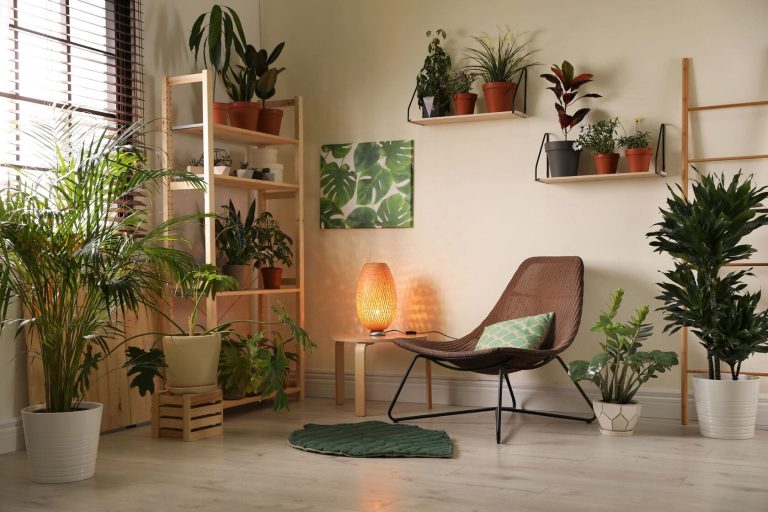
Each plant experiences your home a little differently. A pothos on a sunny kitchen shelf may dry out fast, while a peace lily in a darker bedroom can hold moisture for days. Move a fern from a humid bathroom to a spot near a heating vent, and it may start looking stressed before the week is over.
That’s why the exact spot matters so much. The idea of microclimates in your home makes sense when you start noticing how different one room can feel from another. A sunny windowsill, a drafty hallway, and a steamy bathroom can all give plants very different growing conditions, even under the same roof.
Watch How the Light Changes
Light shifts more than people expect. A room that feels bright in June may feel dull by December. A plant that looked happy near a window in spring might start leaning toward the glass in fall, especially when shorter days, curtains, trees, or nearby buildings cut down the light.
A houseplant will usually tell you what’s happening. Long gaps between leaves, pale new growth, or stems stretching toward the window often mean it wants more light. Faded leaves, dry edges, or scorched spots can mean the sun is too strong.
Sometimes a small move is enough. A little closer to the window. A little farther from the harsh afternoon sun. Houseplants often respond well to simple changes.
Notice the Air Before Leaves Turn Crispy
Many houseplants can handle average indoor air, but tropical plants are often pickier. Brown leaf tips, curled edges, crispy fern fronds, and soil that dries soon after watering can all be signs the air is dry.
The connection between humidity and houseplants is easiest to spot in winter, when indoor heat can dry the air fast. Grouping plants, using a pebble tray, running a humidifier nearby, or moving sensitive plants away from vents can help. You don’t need to turn your home into a greenhouse. You just want to give moisture-loving plants a little more comfort.
Check the Soil Before Reaching for the Watering Can
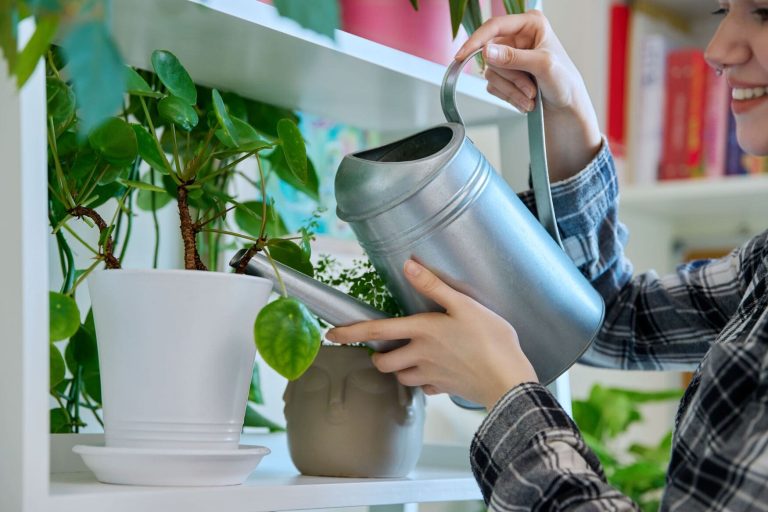
Soil gives one of the clearest clues. Instead of watering just because it’s the usual day, feel the soil and lift the pot if you can. A heavy pot may still have plenty of moisture. A light pot with soil pulling away from the sides may be ready for water sooner than you expected.
The surface doesn’t always tell the whole story. Some potting mixes look dry on top but stay damp around the roots. Others get compacted, so water runs down the sides without soaking in well. Use a moisture meter to check soil below the surface for watering readiness. Once you learn how each plant’s soil behaves, watering becomes easier and less stressful.
Borrow a Habit from Outdoor Growers
Outdoor growers pay close attention to timing, because conditions can change quickly. Rain, heat, frost, dry stretches, and soil moisture can all change what crops need. For many growers, weather data farmers can use adds another layer of context when deciding when to water, plant, or protect crops from stress.
Indoor gardeners can use the same way of thinking, just on a smaller scale. You don’t need a field forecast for a spider plant or philodendron. You only need to notice patterns. Has the heat been running for days? Check the humidity. Has it been cloudy all week? The soil may dry more slowly. Is the summer sun suddenly hitting a window harder? Watch for leaf scorch before damage spreads.
Make a Simple Weekly Plant Check
A quick weekly look can save you from a lot of plant problems. Start with the newest leaves. Fresh growth often gives the first hint that a plant needs more light, less water, or a better spot. Then check the soil, looking for drooping or yellowing, and notice any dry edges or stretched stems.
This doesn’t need to be a formal routine. A few minutes is enough. I know for me, reading light, humidity, and soil clues as I check my houseplants, is all it takes. Over time, you’ll learn which plants dry out first, which ones hate drafts, and which ones start reaching for the window when the light changes.
Let your Houseplant Tell You What to Change
Good indoor gardening comes down to paying attention. Move a plant before it gets leggy. Wait to water when the soil is still damp. Add humidity before the leaf tips turn brown. Small changes made early are much easier on a plant than big fixes later.
Your indoor garden will change with the seasons, your home, and the plants themselves. When you treat light, humidity, and soil as everyday clues, houseplant care feels more natural. You’re not guessing as much. You’re watching, learning, and giving each houseplant what it needs before trouble really starts.
Julie Bawden-Davis is a best-selling garden author, blogger, YouTuber and Master Gardener dedicated to sharing indoor gardening expertise with aspiring gardeners. She has published several gardening books and more than 5,000 articles in major publications. A former garden columnist for the LA Times, San Francisco Chronicle and Parade.com, she is founder of HealthyHouseplants.com and its YouTube channel.
 Julie Bawden-DavisJune 23, 2026