Healthy Houseplants
  • Home
  • Publications
  • Indoor Houseplants
  • Indoor Plant Care
    • One-on-One Help
  • Houseplants Blog
  • Houseplants Videos
  • Store
  • About Us
    • Brand Partnerships & Advertising | Healthy Houseplants Media Kit
    • Julie’s Garden
    • Signup for my Newsletter
  • Contact Us
Healthy Houseplants
  • Home
  • Publications
  • Indoor Houseplants
  • Indoor Plant Care
    • One-on-One Help
  • Houseplants Blog
  • Houseplants Videos
  • Store
  • About Us
    • Brand Partnerships & Advertising | Healthy Houseplants Media Kit
    • Julie’s Garden
    • Signup for my Newsletter
  • Contact Us
instagram link patreon link youtube link
  • Home
  • Publications
  • Indoor Houseplants
  • Indoor Plant Care
    • One-on-One Help
  • Houseplants Blog
  • Houseplants Videos
  • Store
  • About Us
    • Brand Partnerships & Advertising | Healthy Houseplants Media Kit
    • Julie’s Garden
    • Signup for my Newsletter
  • Contact Us
Healthy Houseplants
Healthy Houseplants
  • Home
  • Publications
  • Indoor Houseplants
  • Indoor Plant Care
    • One-on-One Help
  • Houseplants Blog
  • Houseplants Videos
  • Store
  • About Us
    • Brand Partnerships & Advertising | Healthy Houseplants Media Kit
    • Julie’s Garden
    • Signup for my Newsletter
  • Contact Us
Healthy Houseplants Blog

Venus Flytrap

Healthy HouseplantsAugust 19, 2022

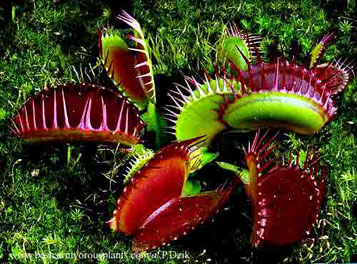
Few plants are as captivating as the Venus flytrap (Dioneae muscipula).  This carnivorous insect-eater appeals to the kid in everyone.

Although they look like they come from outerspace or a distant locale, Venus flytraps are actually native to the United States. In nature, they can only be found within a 100-mile area along the coast of North and South Carolina.

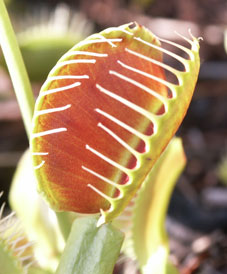
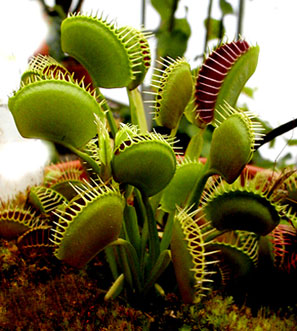
The Venus flytrap is not a large plant.  It gets about six to eight inches in diameter.  The leaves of the plant consist of toothed traps that lure and digest insects. When trigger hairs inside a trap are touched, the plant responds by closing on its prey.  It takes up to a week for a flytrap to digest a fly and other insects.  The trap re-opens to display the evidence–a shriveled insect carcass.
 flytrap1

flytrap3


A warm weather plant, the flytrap is active from April
through October. It goes dormant in the winter, requiring the
cold days of December and January to store energy and remain
healthy. When it’s dormant, the flytrap can withstand very cold
temperatures, but the 40s and 50s are ideal.

     Flytraps can often be found at local nurseries and via mail-
order.  Grow them indoors or outdoors.  Here are some cultural tips.

     * Provide ample light. The flytrap is similar to a succulent in its light requirements.  Place in full sun outdoors.  During especially hot days in summer, move to partial shade. Indoors provide at least two to three hours of sun a day. 

     * Water properly.  Flytraps like to be kept moist and the right type of water is critical.  Don’t use regular tap water on flytraps, as it is too high in salts and minerals. Softened water should also be avoided. Good water choices include deionized, reverse osmosis, distilled and rainwater.

     Unlike other plants, Venus flytraps should sit in standing water.  Keep pots in a dish that contains about an inch of water at all times. 

* Feed well.  Most experts recommend not fertilizing your flytraps at all.  The plant receives its nutrients from the insects it eats.  Outdoor plants will catch their own victims, but those grown indoors require you to feed them.

When feeding a flytrap, keep a few things in mind. Good food choices include flies, sowbugs, ants, small moths and spiders. Avoid using hamburger, cheese and similar foods, as they will prematurely rot the traps. 

Make sure to touch the tiny trigger hairs inside of the trap, which activates it to close. Overfeeding is impossible.  The more you feed, the stronger the plant.  It’s best if one trap is feeding at all times. 

During its growing period, a flytrap constantly produces new traps.  Most traps last a month or two before turning black and falling off. 

Although it’s tempting, refrain from teasing the flytraps closed.  Falsely closed traps don’t feed the plant and can take 24 hours to reopen, which causes them to blacken prematurely.

     * Repot.  For best results, it’s a good idea to repot flytraps every two years. This is best done at the tail end of dormancy in January or February.  The soil mix recommended by most experts is 2 parts peat moss and one part perlite or silica sand.  Moisten the mix before planting.  Flytraps do best in
plastic pots.

     * Move outside for winter.  If you choose to grow your flytrap indoors, bring it outside during winter months so that it can receive adequate chilling.  Watch that it doesn’t become water-logged during winter rains, though, or it could drown.
 

flytrap2
Venus Flytrap
PrevShould I Repot My Houseplant?

Should I Repot My Houseplant?

August 19, 2022
HOME

When Leaching is Good

August 19, 2022
NextWhen Leaching is Good

Healthy Houseplants Blog

  • How to Use Landscaping Supplies to Make Indoor Plants Look Like a Natural Garden
  • Can You Use Tea Leaves on Houseplants?
  • Healthy Indoor Air for Houseplants and People: Why Radon Testing Belongs on Your Home Care List
  • How to Clean Houseplant Leaves Without Damaging Them
  • How to Safely Move Indoor Houseplants to Your Patio
  • How to Care for Houseplants in a Small Apartment
  • Glowrium LED Grow Light G2 Pro Review: A Full-Spectrum Light for Tall Houseplants
  • Indoor Plant Watering Systems: How to Keep Houseplants Hydrated Without Creating Moisture Problems
  • The Hidden Relationship Between Roof Ventilation, Moisture, and Indoor Plant Health
  • Microclimates in Your Home: How to Map Your House Before You Buy Another Plant
  • Moving With Houseplants: How to Relocate Your Indoor Garden Without Damage
  • Creating a Healthier Indoor Environment Through Plants, Air Quality, and Safety Systems
  • How to Blend Indoor and Outdoor Gardens for a Seamless Living Space
  • Simple Protective Solutions for Indoor Plants During Home Repairs
  • Why Moving Your Plants Around Can Do More Harm Than Good
  • Creating the Perfect Environment for Houseplants Year-Round
  • Healthy Indoor Plants Depend on Better Water Systems
  • 5 Indoor Gardening Jobs You Might Not Know Exist—and How to Get Them
  • Why Houseplants Lose Leaves and What You Can Do About It
  • 2026 Is the Year of the Ficus!
  • How A Clean Home Helps Your Indoor Plants Thrive
  • How Landscaping Design Principles Improve Indoor Gardening
  • Trailing Houseplants: What to Know So They Stay Out from Underfoot
  • Gifting for Homebodies: What to Buy for Indoor Gardening Enthusiasts
  • Why Outdoor Mulch Can Kill Indoor Houseplants (And When It Can Be Used Safely)
Houseplant food
Join Our Newsletter

Join my Happy Indoor Gardener email list. My monthly newsletter teaches you all about growing a beautiful indoor garden. There are also contests and giveaways, and you get a FREE COPY of 11 Easy to Grow, Low Light Houseplants as a thank you for signing up.    

Advertising Partnership Opportunities

Socials

Twitter Facebook Instagram Youtube Linkedin Pinterest Amazon Tiktok Goodreads Mug-hot

Copyright © 2026 Healthy Houseplants. All Rights Reserved.

#garderia_search_6a2242eef07c9:hover { color: rgba(33,33,33, 1) !important; }